Date posted: 21-07-2026 | Last updated : 28-07-2026
A large and broad nasal tip can make the face appear unbalanced and is a common concern among Asian patients. To improve this feature, Kangnam Aesthetic Hospital provides nasal tip reduction using advanced techniques.
The procedure is designed to create a more refined nasal tip, improve facial balance, and give the face a more elegant appearance.
Nasal tip reduction is a surgical procedure used to improve a broad, thick, or disproportionate nasal tip.
The doctor adjusts the soft tissue and cartilage at the nasal tip, then trims and reshapes the area to create a smaller and more refined appearance.
Depending on the patient’s nasal condition, two techniques are commonly used:

Nasal tip reduction service.
Patients with wide nostrils in addition to a large nasal tip may also consider alar base reduction.
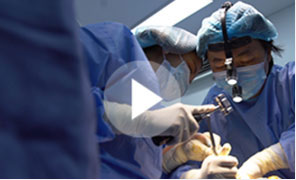
Kangnam Aesthetic Hospital provides nasal tip reduction surgery performed by doctors specialising in nasal aesthetic procedures.
Patients may feel more confident choosing nasal tip reshaping at Kangnam because of the following features:
The nasal tip reduction technique used at Kangnam is described as being transferred from South Korea and conducted under professional supervision and Ministry of Health requirements.
The procedure aims to create a natural-looking nasal shape with a smaller tip that is balanced with the face.
The incision is placed inside the nasal lining, helping conceal the surgical scar as much as possible. After recovery, there may be no obvious surgical mark on the visible surface of the nasal tip.
However, every surgical incision creates some degree of scar tissue, and healing varies between patients.
Kangnam states that its operating-room equipment and medical instruments are sourced from recognised manufacturers and inspected according to Vietnamese Ministry of Health requirements.
These standards are intended to support a safe and efficient nasal tip reduction procedure.
No surgical procedure can guarantee complete safety or a complication-free result.
Doctors at Kangnam are described as having specialised skills and experience in nasal aesthetic surgery. Precise tissue handling may help reduce unnecessary trauma, support recovery, and provide a long-lasting result.
The medical team at Kangnam is stated to have more than ten years of experience and regularly participates in international professional training.
The hospital also updates its techniques according to developments in aesthetic surgery.
Nasal tip reduction may be suitable for the following patients:
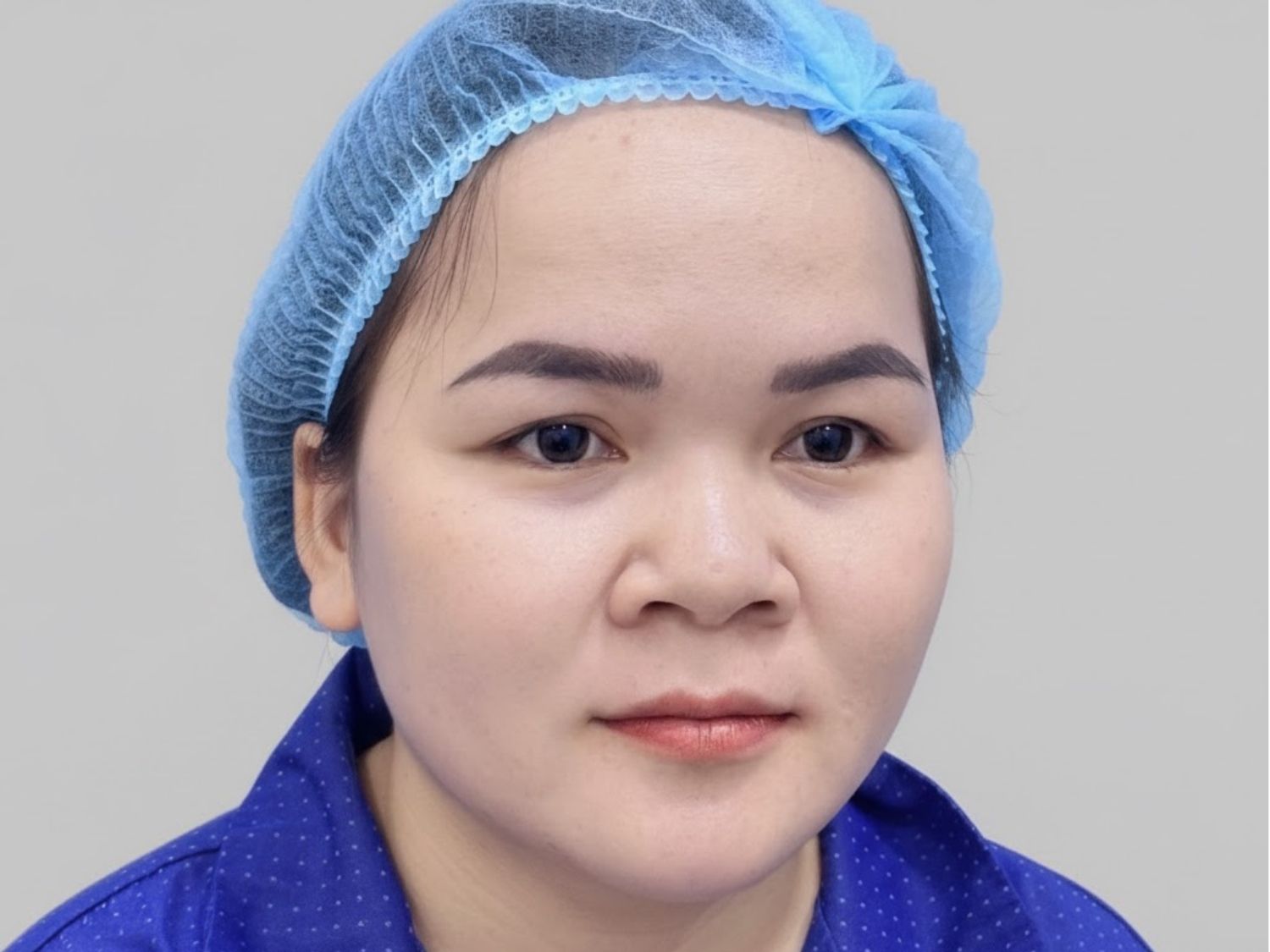
The doctor selects the appropriate technique according to the thickness, width, cartilage structure, and soft tissue of the nose.
Patients with a low bridge may need to discuss whether nasal tip reduction should be combined with another form of rhinoplasty surgery.
The nasal tip reduction process at Kangnam is performed in a controlled setting and is described as meeting Ministry of Health standards.
The doctor examines the nose carefully before surgery to understand the patient’s condition.
Depending on the anatomy, the doctor analyses the nasal tip and recommends a suitable reduction technique.
After consultation, the patient undergoes a health examination.
This may include:
The purpose is to determine whether the patient is medically suitable for nasal tip reduction surgery.
The doctor marks and designs the intended nasal-tip shape and size so that it appears balanced and natural with the rest of the face.
The doctor selects a suitable technique according to the cause of the enlarged nasal tip.
Soft tissue, cartilage, or both may be adjusted to create a smaller and more harmonious shape.
At the end of the procedure, the doctor closes the incision carefully to reduce visible scarring.
The patient receives postoperative care instructions to support stable healing and recovery.
The patient returns according to the doctor’s schedule for:

The nasal tip reduction procedure at Kangnam.
Nasal tip reduction at Kangnam costs approximately depending on the service selected.
| Service | Approximate Cost in USD |
|---|---|
| Nasal tip reduction | 456 |
| Alar base reduction | 228 |
The prices above are for reference.
Patients should confirm whether the quotation includes:
Before-and-after photographs of patients who underwent nasal tip reduction at Kangnam may demonstrate changes in facial balance and nasal appearance.
Potential improvements may include:

An overseas Vietnamese patient after nasal tip reduction.
Individual results vary according to the original nasal structure, the selected surgical technique, healing response, scar formation, and postoperative care.
If you are considering nasal tip reduction, Kangnam Aesthetic Hospital is an aesthetic provider selected by many patients.
The hospital states that its experienced doctors and modern medical equipment are intended to support effective aesthetic treatment. However, no provider can guarantee results beyond expectations, perfect symmetry, no scars, or no complications.
S-Line Rhinoplasty: Benefits, Procedure, Recovery, and Aftercare