Date posted: 18-11-2026 | Last updated : 20-11-2026
Dental crowns in Vietnam do not necessarily damage natural teeth when properly indicated and performed using the correct techniques. However, the procedure is invasive because the dentist must remove part of the natural tooth structure to create space for the crown. The lost tooth structure cannot regenerate naturally, while excessive tooth reduction, poorly fitting crowns, or bite misalignment can lead to prolonged sensitivity, pulp inflammation, gum inflammation, and even tooth loss.
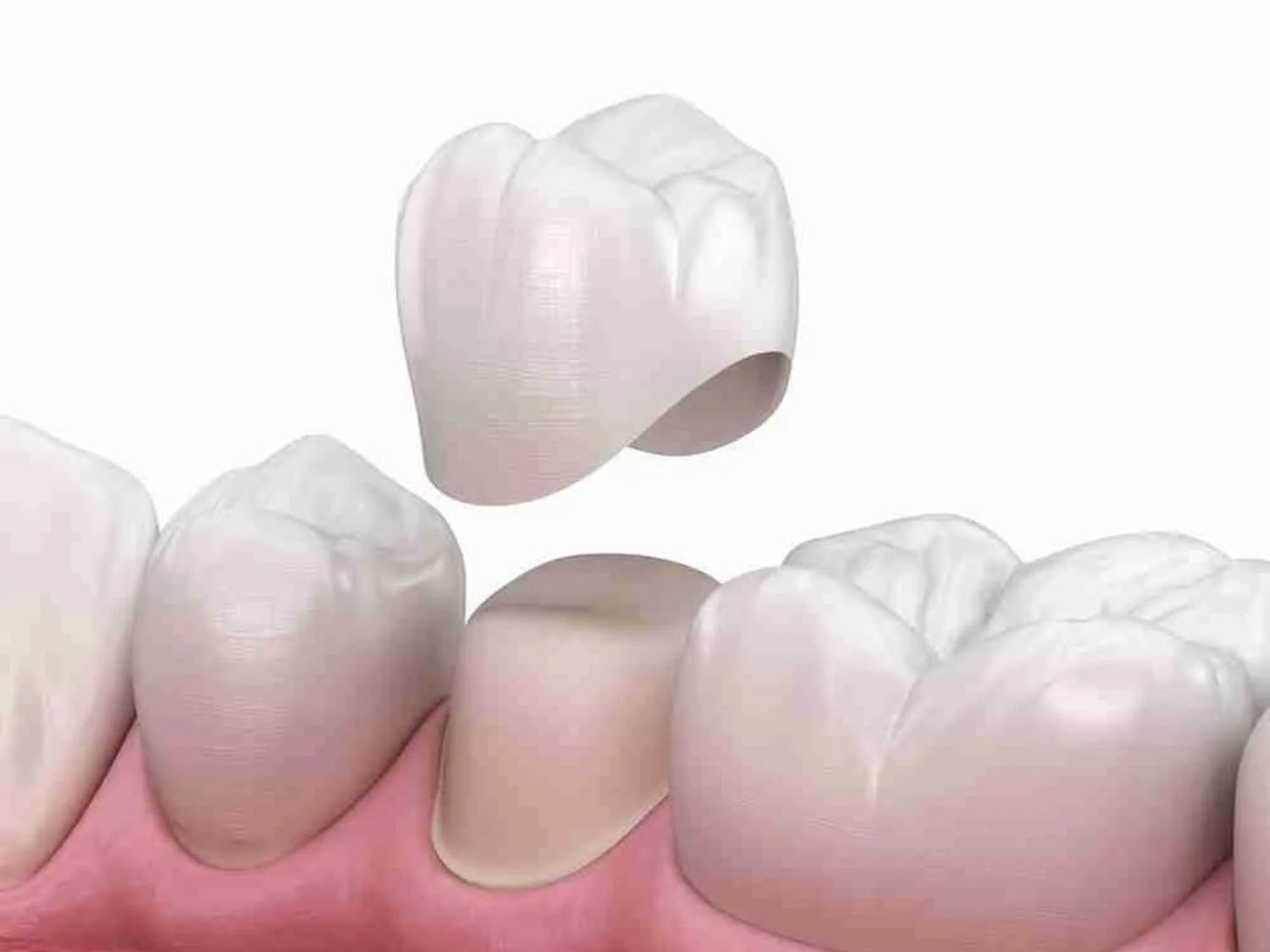
Dental crown placement is invasive to natural teeth because some tooth structure must be prepared to accommodate the crown.
Once a tooth has been filed down, it cannot return to its original structure. Therefore, patients should carefully consider the procedure before proceeding.
Teeth with extensive fractures, severe decay, or weakened structures may require crowns for protection and functional restoration.
Healthy teeth with only discoloration or minor misalignment may be better suited to whitening, porcelain veneers, or orthodontic treatment.
Excessive tooth reduction, poorly fitting crowns, and bite misalignment are potential causes of complications.
Patients should choose a dental clinic with a valid operating license, qualified dental specialists, and a transparent treatment plan.
Crowned teeth still require regular cleaning and dental checkups because the natural tooth structure underneath the crown can still develop decay or damage.
1. How Does Dental Crown Placement Affect Natural Teeth?
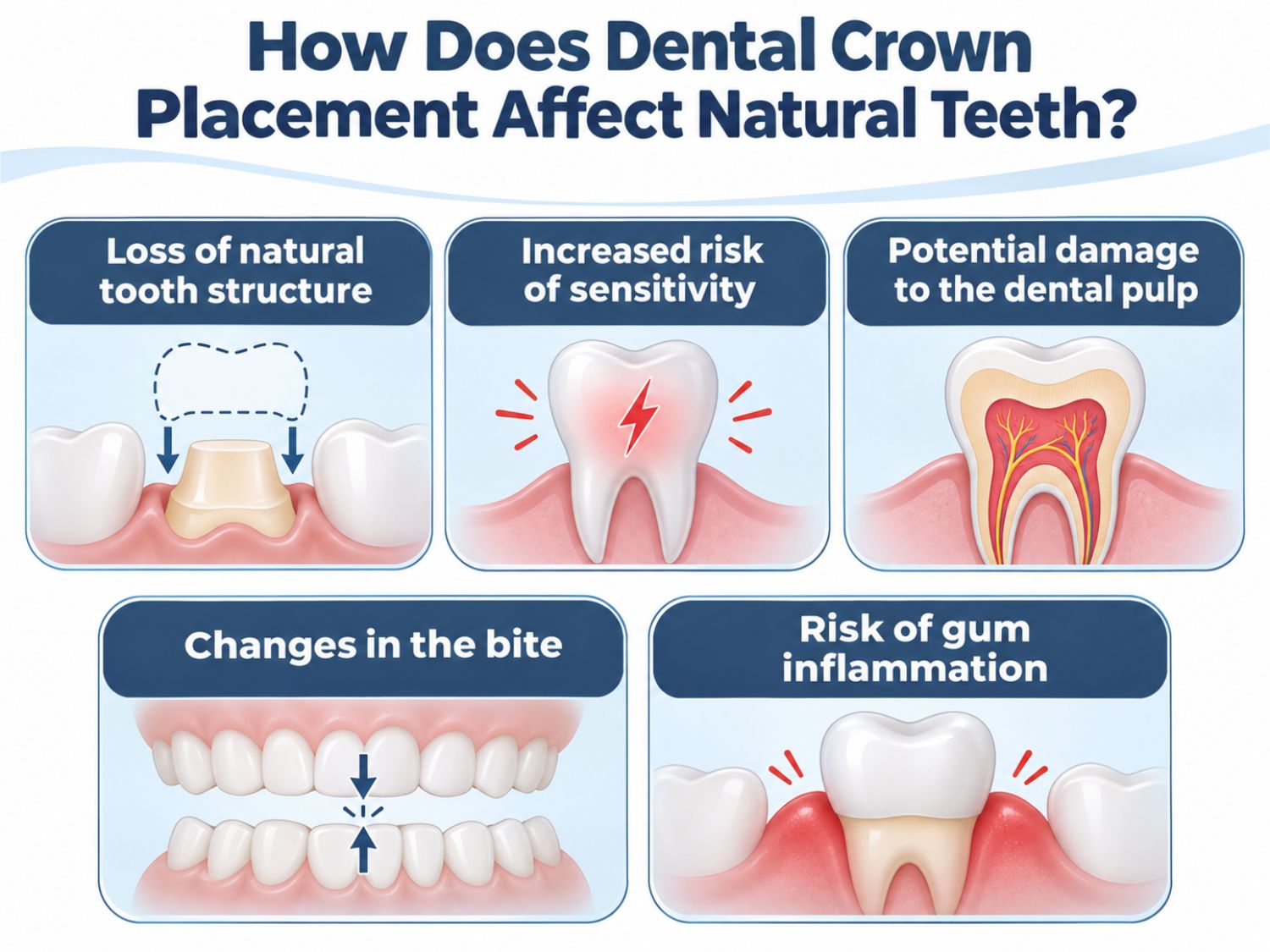
Dental crown placement directly affects natural teeth through the process of removing part of the outer tooth structure to create space for the crown. The extent of the impact depends on how much enamel and dentin are removed, the tooth’s original condition, and the technique used.
The main effects include:
- Loss of natural tooth structure: The dentist must reduce some of the tooth structure so the crown can fit securely over the prepared tooth. This change is irreversible because lost enamel cannot regenerate naturally.
- Increased risk of sensitivity: After tooth preparation, the dentin layer may become exposed, making the tooth more sensitive to hot or cold foods and mechanical stimulation.
- Potential damage to the dental pulp: Excessive tooth reduction, improper techniques, or pre-existing tooth damage may irritate the pulp and cause inflammation or necrosis.
- Changes in the bite: If the crown is incorrectly sized or positioned, patients may experience a high or uncomfortable bite, pain when chewing, and changes in their bite alignment.
- Risk of gum inflammation: Poorly fitting crowns, inappropriate crown margins, or inadequate oral hygiene can cause food to become trapped, leading to gum inflammation and decay in the natural tooth underneath.
2. Who Should and Should Not Get Dental Crowns?
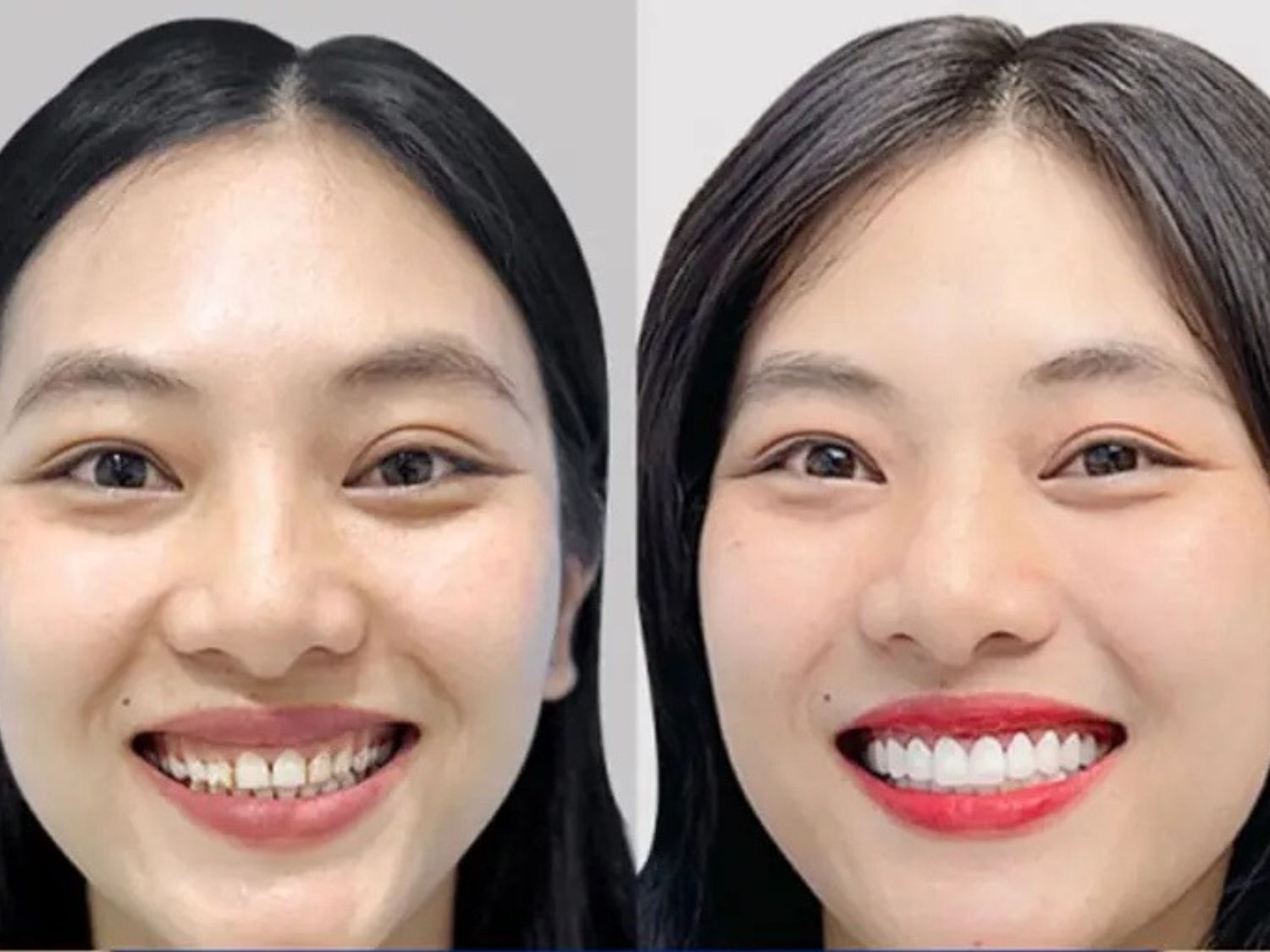
Dental crowns are suitable for teeth with extensive structural damage, weakened tooth structures, or aesthetic defects that require restorative treatment. Conversely, people with healthy teeth who only have minor misalignment or discoloration generally do not need to have their teeth filed down for crowns, as more conservative alternatives may be available.
Cases that may be suitable for dental crowns:
- Severely fractured teeth: When a substantial portion of the tooth structure is lost and the remaining tooth cannot adequately withstand chewing forces with a conventional filling, a crown may help protect the remaining structure.
- Severe tooth decay: After the decayed tissue has been removed, a crown may be considered if the remaining tooth structure is too weak.
- Teeth that have undergone root canal treatment: Some teeth become more vulnerable to fractures after root canal treatment because a significant amount of tooth structure may have been lost. A crown may be recommended for protection, depending on the tooth’s location and the amount of remaining structure.
- Cracked or severely worn teeth: If the damage affects chewing function, a full-coverage restoration may help restore the tooth’s shape and function.
Cases in which alternative treatments should be considered:
- Teeth with discoloration only: Teeth whitening may be an appropriate option if the tooth structure is healthy and there are no contraindications.
- Teeth with gaps or mildly irregular shapes: Porcelain veneers or other conservative restorative treatments may be considered.
- Protruding, underdeveloped, or crooked teeth: Orthodontic treatment is often more suitable because it moves teeth into the desired positions without requiring extensive removal of healthy tooth structure.
- Teeth with pulp inflammation, abscesses, or periodontal disease: The underlying condition must be diagnosed and treated before restorative treatment begins.
- Teeth with a poor long-term prognosis: If the tooth root is severely damaged or the supporting tissues are insufficient, the dentist must assess whether the tooth can be preserved before deciding to place a crown.
3. Potential Harm and Complications of Improper Dental Crown Placement
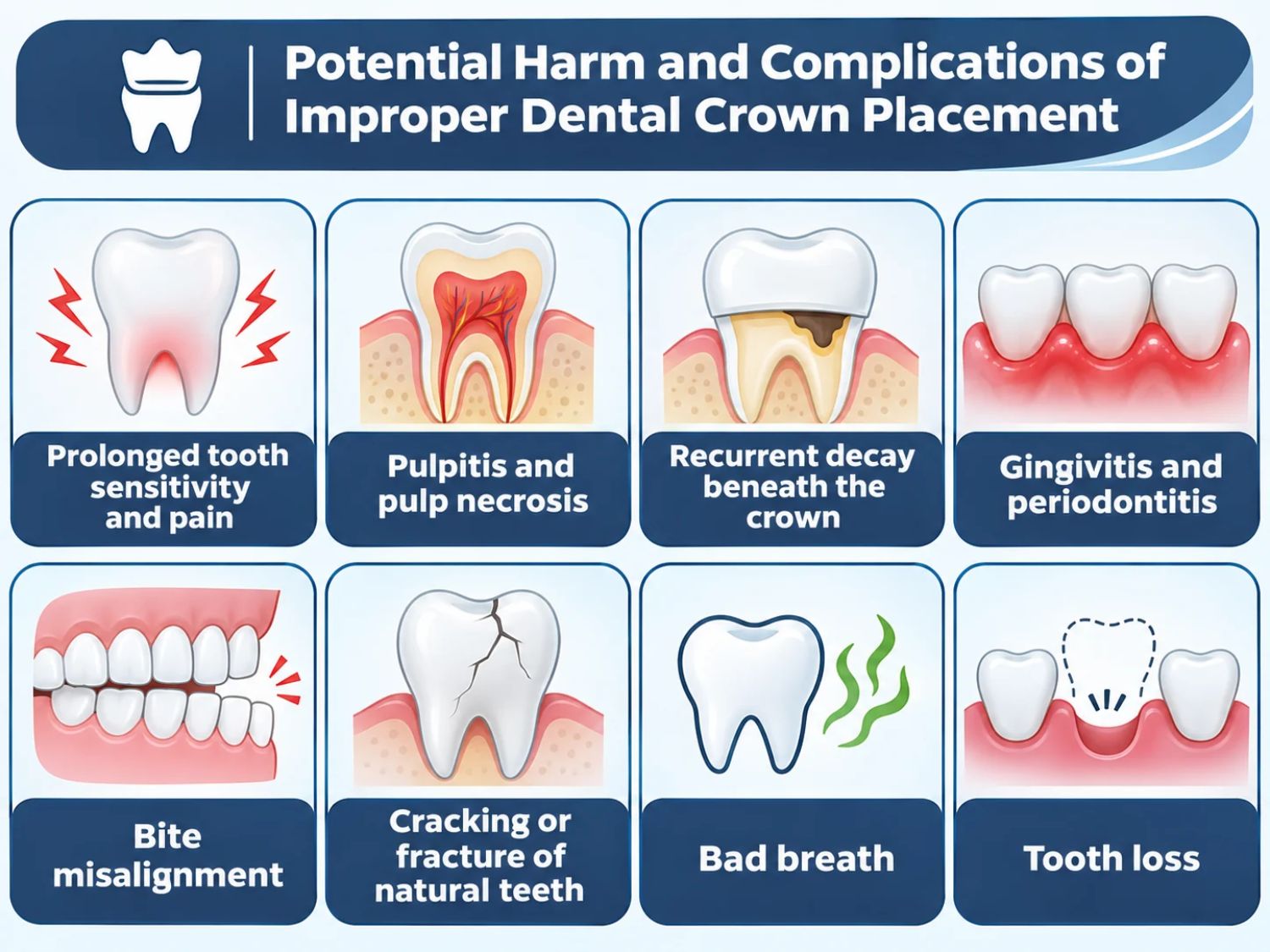
Dental crowns placed using improper techniques or without appropriate indications can cause damage to natural teeth, pulp inflammation, gum inflammation, bite misalignment, and even tooth loss. The severity of complications depends on the amount of tooth structure removed, how well the crown fits, the tooth’s original condition, and the restorative technique used.
Common adverse effects and complications include:
- Prolonged tooth sensitivity and pain: Excessive tooth reduction can expose the dentin, making teeth sensitive to hot or cold foods and painful during chewing.
- Pulpitis and pulp necrosis: Deep tooth preparation, heat generated during the procedure, or irritation can damage the dental pulp, leading to pulp inflammation and potentially requiring root canal treatment.
- Recurrent decay beneath the crown: Poorly fitting crowns can leave gaps where food particles and bacteria accumulate, causing decay in the underlying natural tooth.
- Gingivitis and periodontitis: Crown margins placed incorrectly, invasion of the biological width, or plaque accumulation can lead to red, swollen, or bleeding gums and gum recession.
- Bite misalignment: Crowns that are too high or have an incorrect shape can cause discomfort when chewing, jaw pain, muscle fatigue, and excessive force on opposing teeth.
- Cracking or fracture of natural teeth: Excessive tooth reduction weakens the tooth structure and increases the risk of cracks or fractures under chewing forces.
- Bad breath: Poorly fitting crowns, trapped food particles, and difficulty cleaning the area can encourage bacterial accumulation and cause unpleasant odors.
- Tooth loss: If tooth damage, infection, or decay beneath the crown is not detected and treated promptly, the natural tooth may eventually become impossible to preserve.
According to Healthdirect Australia, complications associated with dental crowns may include crown loosening, cracking or breakage, decay beneath the crown, swollen or painful gums, and discomfort when chewing due to an ill-fitting crown. The risk depends on the tooth’s condition before treatment, the preparation technique, the restorative material, and subsequent oral hygiene and care. Source: Healthdirect Australia – Dental Crown Procedure.
4. How Can You Minimize Damage to Natural Teeth When Getting Dental Crowns?
To minimize damage to natural teeth during crown placement, the procedure should only be performed when clinically indicated, preserve as much natural tooth structure as possible, and involve precise control over the amount of enamel removed. Important principles include:
- Undergo a dental examination and assessment before crown placement: The dentist should examine the enamel, dentin, dental pulp, gums, and bite alignment to determine whether the tooth is suitable for this treatment.
- Prioritize preserving natural tooth structure: Only remove the amount of tooth structure necessary to create space for the restoration. Avoid excessive reduction or damage to the pulp chamber.
- Choose minimally invasive alternatives when appropriate: If teeth are only discolored, slightly spaced, or have minor defects, consider whitening, dental fillings, or porcelain veneers instead of full-coverage crowns.
- Use properly fitted dental crowns: Crowns should be precisely designed to fit the prepared teeth without gaps or discomfort during chewing.
- Adjust the bite carefully: Check the contact points between teeth to prevent excessive chewing forces from concentrating on specific areas, which could cause pain or fractures in natural teeth.
- Choose a dentist with restorative dentistry expertise: The dentist should have experience in tooth preparation, impression-taking, crown design, and crown placement to minimize technical errors.
- Maintain proper oral hygiene after restoration: Brush correctly, use dental floss or a water flosser, and attend regular checkups to detect tooth decay and gum inflammation around the crowns early.
5. How Foreign Patients Can Choose a Dental Clinic for Crowns in Vietnam
For international patients seeking dental crowns in Vietnam, choosing a dental clinic should not be based solely on treatment prices or before-and-after photos. They should prioritize the facility’s legal status, the dentist’s restorative dentistry expertise, the quality of ceramic materials, and the availability of follow-up support after returning home.
Patients should check the following five factors:
- Operating license: Choose a hospital or dental clinic with a valid operating license covering the relevant dental and maxillofacial services. Patients can request the facility’s licensing information for verification.
- Dentist qualifications: Research the qualifications, practice license, and experience of the dentist who will perform the fixed dental restorations.
- Dental equipment: Prioritize facilities equipped with X-ray systems, digital dental scanners, and devices for assessing bite alignment.
- Material origin: Request information about the brand, origin, and type of ceramic material used. Do not make a decision based solely on advertising or durability guarantees.
- Transparent treatment plan: The dentist should clearly explain the number of teeth requiring crowns, the extent of tooth preparation, the total cost, treatment timeline, and potential risks.
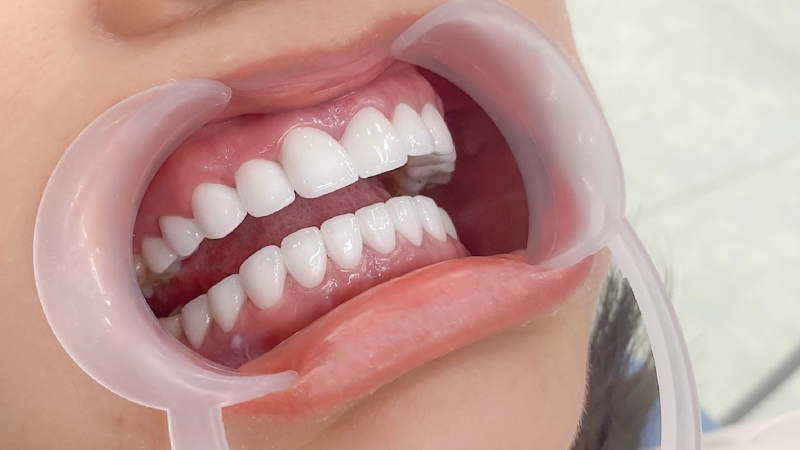
6. How to Care for Dental Crowns to Maintain Long-Term Results
Crowned teeth still require the same level of care as natural teeth. Ceramic crowns do not develop cavities like natural tooth structure, but the underlying teeth and the margins where the crowns meet the teeth can still accumulate plaque, leading to tooth decay or gum inflammation.
To maintain good oral health, patients should:
- Brush their teeth at least twice a day using a soft-bristled toothbrush and fluoride toothpaste.
- Use dental floss or interdental brushes to clean between the teeth.
- Avoid biting ice, chewing excessively hard objects, or using teeth to open packaging.
- Do not neglect cleaning along the gumline around the crowns.
- If you grind your teeth, consult your dentist about using a night guard.
- Attend regular dental checkups, generally every six months or according to the dentist’s recommended schedule.
7. Frequently Asked Questions About Dental Crowns in Vietnam
Does Getting a Dental Crown Require Root Canal Treatment?
No. Getting a dental crown does not automatically mean that root canal treatment is necessary. If the dental pulp is healthy, the dentist should prioritize preserving it during tooth preparation. Root canal treatment should only be performed when there is an underlying pulp condition and an appropriate clinical indication. The pulp should not be removed simply to make crown placement more convenient.
Is Getting a Dental Crown Painful?
Dental crown placement is generally not painful during the procedure because the dentist can use local anesthesia while preparing the tooth. However, patients may experience sensitivity, discomfort, or mild pain after the anesthesia wears off, depending on the amount of tooth structure removed and the tooth’s original condition.
Can Crowned Teeth Develop Cavities or Become Damaged?
Yes. Ceramic crowns do not develop cavities like natural teeth, but the underlying tooth structure can still decay, particularly around the margins where the crown meets the tooth. If the crown does not fit properly, oral hygiene is inadequate, or plaque accumulates over time, the risk of secondary tooth decay and gum inflammation may increase.
Remote Orthodontic Treatment in Vietnam: Can You Continue Treatment While Living Abroad?
Dental Clinic OptionsDental Veneers in Ho Chi Minh City and Hanoi: Costs, Quality, and Dental Clinic Options
Dental Implants in Vietnam for Foreigners: Costs, Implant Brands, and Warranty Policies