Date posted: 22-07-2026 | Last updated : 28-07-2026
Generally, about 5–7 days after rhinoplasty, once the swelling has subsided and the nasal splint has been removed, you may travel gently by motorbike. For standard rhinoplasty procedures, this period may be shorter, approximately 2–3 days, while patients undergoing structural rhinoplasty should wait about 5–7 days to ensure safety. However, the nose is still healing during the first 1–2 weeks. If you travel by motorbike, you should only take short trips and avoid collisions, dust, and exhaust fumes.
I – Why Should You Avoid Riding a Motorbike After Rhinoplasty?
You should avoid riding a motorbike after rhinoplasty because, during the first 24 hours, the body may still be affected by anesthesia, which can cause fatigue and reduced alertness when operating a vehicle. In addition, motorbike vibrations, the risk of collisions, and environmental dust and exhaust fumes may negatively affect the surgical wound, increasing the risk of infection or affecting the shape of the nose.
Specific reasons for avoiding motorbike travel after rhinoplasty include:
- Risk of collision and nasal injury: Riding a motorbike always carries a risk of collision. For example, sudden braking or a minor incident on the road may cause an accident and directly affect the recently operated nasal area. An open wound or unstable nasal cartilage may easily become displaced, swollen, or bleed, compromising the nasal shape.
- Exposure to dust and pollution: Streets contain large amounts of dust and vehicle exhaust. The surgical wound remains sensitive after rhinoplasty and may be vulnerable to bacterial contamination and infection if it is not carefully protected. Dust and exhaust fumes may also cause sneezing or nasal itching, negatively affecting the healing process.
- Effects of wind pressure: When traveling by motorbike, particularly at high speeds, wind pressure directly affects the face and nose. This pressure may cause swelling, pain, tightness, and discomfort in the nasal area and may affect the final result.
- Need to limit vigorous movements: After rhinoplasty, vigorous movements of the face and head should be limited. Riding a motorbike requires frequent head movements, a high level of concentration, and sometimes tensing the body to maintain balance. These actions may unintentionally place pressure on the nasal area, delay wound healing, and potentially cause complications.

Avoid strong impacts during the first few days after rhinoplasty.
II – Recovery Milestones After Rhinoplasty
Recovery after rhinoplasty is a process that requires patience and proper care. Generally, recovery progresses through the following main stages:
- The first 1–3 days: This is the period when swelling and pain are most pronounced. The nose and surrounding areas, including the eyes and cheeks, may become swollen and bruised. This is a completely normal response of the body. Cold compresses should be applied regularly, and medications should be taken as prescribed by the surgeon to reduce swelling and pain.
- After 7–10 days: Swelling and bruising will decrease significantly. The surgical wound will gradually dry and form a scab. This is an ideal time for a follow-up examination and suture removal. The nasal shape will begin to become more clearly defined, although mild swelling may still remain.
- After 2–4 weeks: Approximately 80–90% of the swelling will have subsided. The nose will begin to settle into shape and appear slimmer and softer. You may gradually return to normal daily activities but should still avoid strong impacts.
- After 1–3 months: The nose will be almost completely stable. The cartilage will have firmly attached to the nasal framework, and the nose will have achieved the desired natural appearance. At this stage, the nose will appear attractive and harmonious with the face.
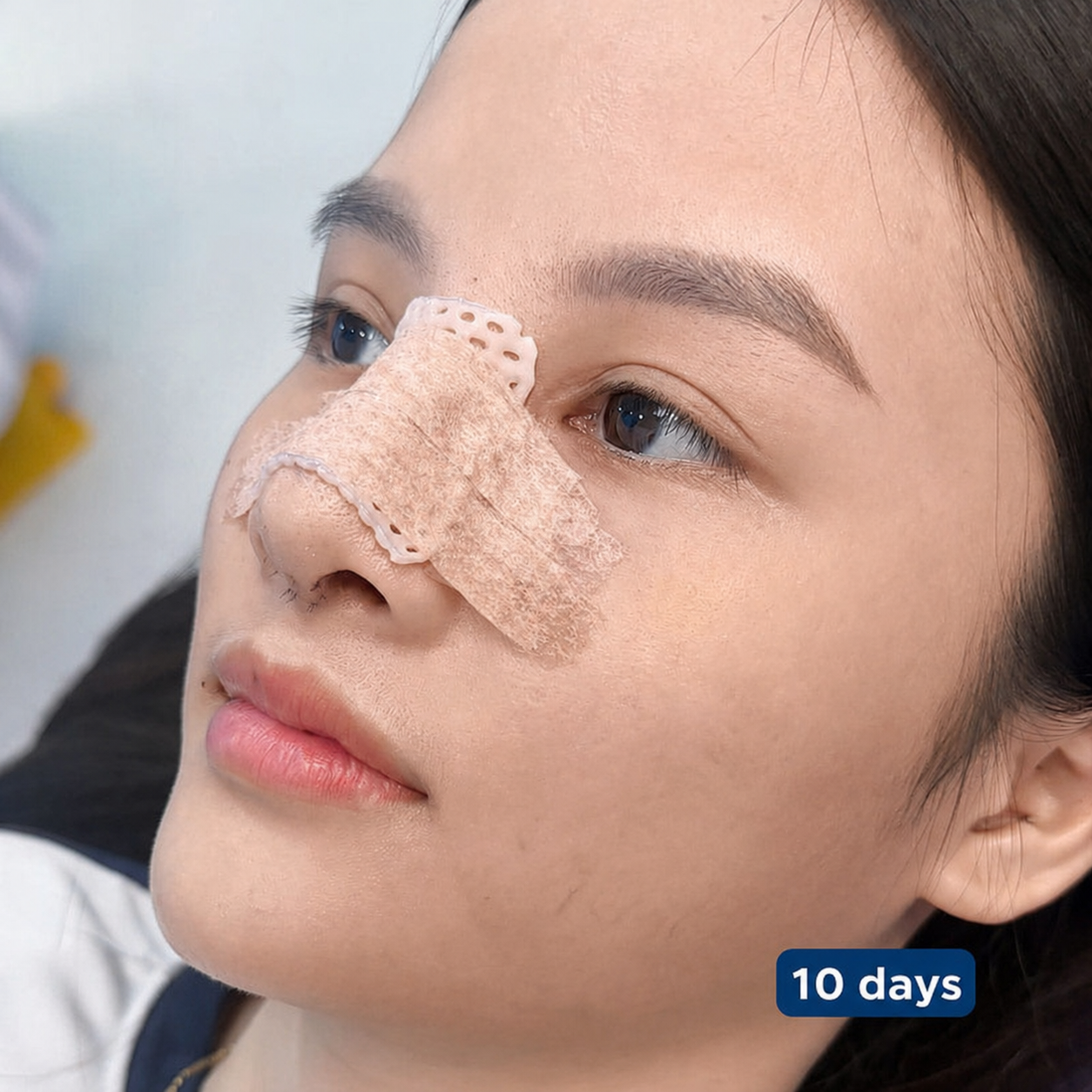
The recovery process after rhinoplasty.
III – What Should You Do If You Must Ride a Motorbike Soon After Surgery?
If you must ride a motorbike soon after rhinoplasty, choose a short route, travel slowly, and avoid potholes or uneven roads to minimize vibrations that could affect the nasal shape. You should also wear a thick face mask and protective glasses to protect the surgical wound from dust and bacteria. After returning home, clean the nasal area according to your surgeon’s instructions and rest appropriately to ensure a safe recovery.
At Kangnam Aesthetic Hospital, surgeons provide detailed instructions and closely monitor each patient’s recovery, particularly for overseas Vietnamese patients, helping minimize potential risks. Following the instructions provided by Kangnam surgeons helps the nose stabilize more quickly and maintain an attractive shape over the long term.

Overseas Vietnamese patients recover quickly after rhinoplasty.
IV – Travel Considerations for Overseas Vietnamese Patients After Rhinoplasty
If you are staying in Vietnam for a short period and need to travel frequently, arrange your schedule so that you can prioritize rest during the first week. Use a taxi or ride-hailing service instead of riding a motorbike yourself. Before flying back to your country of residence, attend a follow-up appointment and ask your surgeon about long-distance travel. Maintain online contact with your surgeon so that you can receive guidance when needed.
- Prioritize rest during the first week: Patients staying in Vietnam for a short period should arrange their schedules appropriately and dedicate the entire first week after surgery to rest and recovery, helping the nasal area stabilize sooner.
- Choose an appropriate means of transportation: Taxis or ride-hailing services should be prioritized. Avoid riding a motorbike yourself or traveling in vehicles that cause excessive jolting to reduce the risk of impact and pressure on the nasal area.
- Attend a mandatory follow-up appointment before flying: Visit the surgeon for an in-person examination before boarding a flight back to your country of residence so that the safety of your condition can be assessed and you can receive professional advice for long-distance air travel.
- Maintain online communication: Keep an online communication channel open with the surgeon or hospital so that you can easily discuss your condition and receive timely guidance, even after returning to your country of residence.
To ensure safety and achieve a durable, attractive nasal shape, you should follow your surgeon’s instructions and only travel once the nose has stabilized. By resting patiently and limiting motorbike travel during the initial recovery period, the nasal area will stabilize more quickly and the risk of unwanted complications will be minimized.
Riding a Motorbike After Rhinoplasty
When Can You Bend Over After Rhinoplasty?
Sleeping on Your Side After Rhinoplasty