Date posted: 26-07-2026 | Last updated : 27-07-2026
S-Line rhinoplasty is a popular cosmetic procedure among patients who prefer a soft and natural-looking nose shape. The technique aims to create a refined nasal bridge, a gently curved profile, and proportions that complement the rest of the face.
The following article explains the characteristics, potential benefits, procedure, recovery process, and postoperative care associated with S-Line rhinoplasty.
S-Line rhinoplasty is a surgical procedure designed to improve the shape and structure of the nose while creating a soft, gently curved profile.
The term “S-Line” commonly refers to the subtle S-shaped contour seen from the side, extending from the forehead and nasal bridge toward the tip of the nose.
The procedure may involve changes to both the upper and lower parts of the nose, including:
Rather than applying the same nose shape to every patient, the surgeon should design the result according to:

S-Line rhinoplasty aims to create a gently curved and balanced nasal profile.
The goal is generally to create a refined bridge and defined tip while maintaining harmony with the chin, lips, forehead, and other facial features.
The term “perfect S-Line” should be used cautiously because there is no single nasal shape that is ideal for every person.
Potential benefits may include a more balanced profile, a defined nasal bridge, a refined tip, and improved facial harmony.
However, outcomes vary according to the patient’s anatomy and the surgical technique.
When performed by a qualified plastic surgeon in a licensed medical facility, rhinoplasty can be planned and monitored using established surgical and infection-control protocols.
Safety depends on:
No rhinoplasty procedure can be described as completely safe or free from complications.
Possible risks include:
A major objective of S-Line rhinoplasty is to create a result that appears soft and proportionate rather than excessively high or sharp.
The surgeon may aim to achieve:
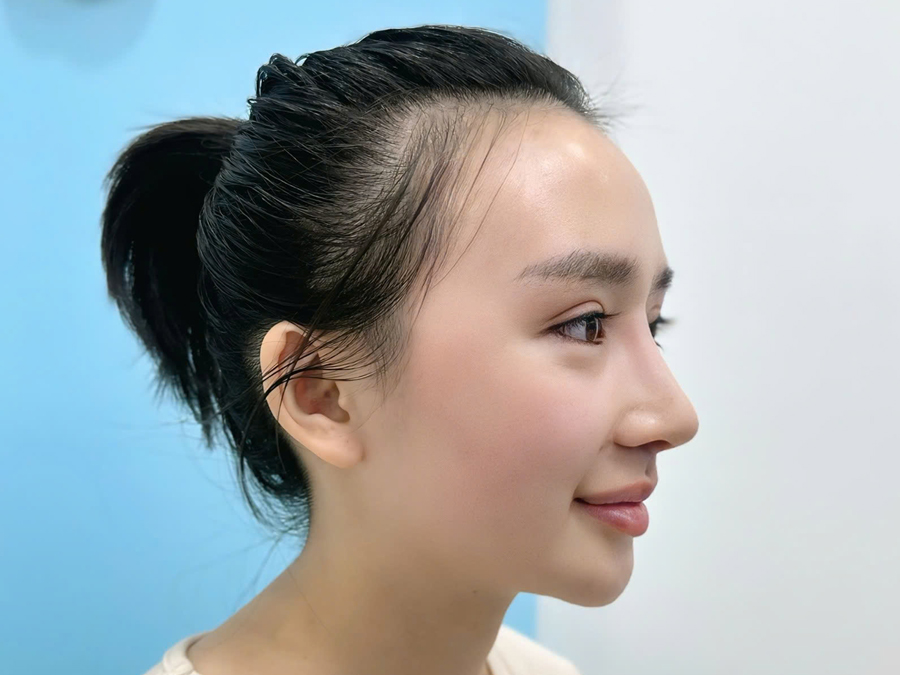
A suitable S-Line design may create a softer and more natural-looking nasal profile.
The result should be personalised rather than based only on a standard measurement or celebrity reference.
Some patients may return to light daily activities within one to two weeks.
However, recovery is not necessarily faster than every traditional rhinoplasty technique.
The timeline depends on:
Visible swelling may improve within several weeks, while the nasal tip can take several months or longer to settle.
Some S-Line procedures may use internal incisions, while others require a small incision across the columella.
A closed approach generally leaves no external columellar scar. An open approach creates a small external incision that usually becomes less noticeable over time.
It is not accurate to guarantee that rhinoplasty leaves no scar.
Scar visibility depends on:
External sutures are often removed after approximately five to seven days, although the timing varies.
S-Line rhinoplasty may be considered by adults who want to improve nasal shape while maintaining a relatively soft and natural appearance.
Potential candidates may include:
The procedure is generally performed after facial growth has substantially completed.
Patients with chronic medical conditions are not automatically unsuitable. However, conditions such as diabetes, cardiovascular disease, bleeding disorders, or uncontrolled hypertension require careful assessment.
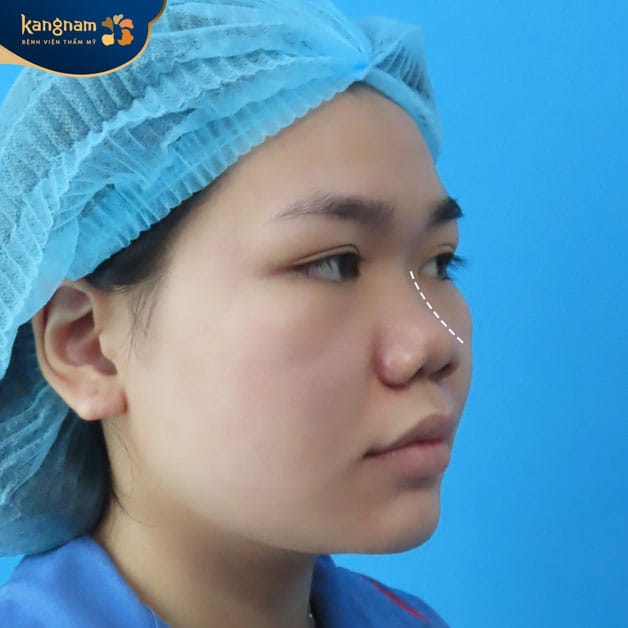
Patients seeking improvement of a low or poorly defined nose may be considered for S-Line rhinoplasty.
Before surgery, the patient should discuss:
The surgeon must determine whether an S-Line design suits the patient’s anatomy. Some people may benefit more from another shape or a more conservative correction.
A typical rhinoplasty process at Kangnam may include the following stages.
The surgeon evaluates the patient’s nose and discusses the desired result.
The examination may include:
The surgeon then recommends an individualised treatment plan.
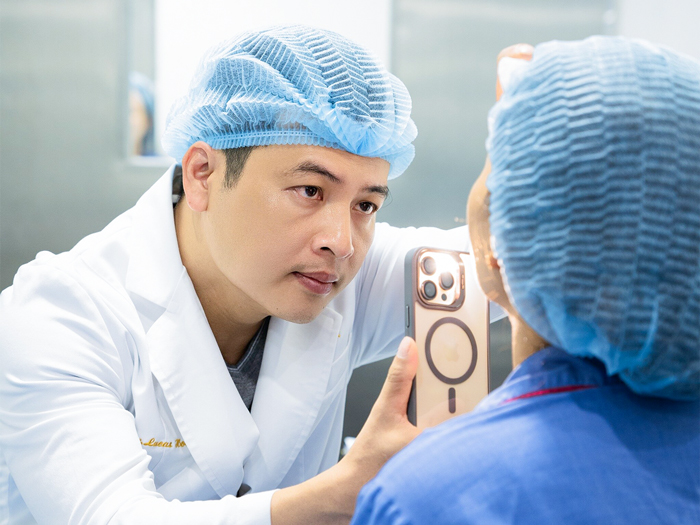
Before surgery, the patient may undergo:
The purpose is to identify factors that could affect surgery or healing.
The surgeon marks and measures the nose to plan the proposed changes.
Design may consider:
Digital imaging may be used to support discussion, but simulated images cannot guarantee the final result.
Depending on the treatment plan, the surgeon may shape:
The term “trimming cartilage” covers several possible techniques and is not required in exactly the same way for every patient.
Rhinoplasty may be performed under:
The choice depends on the procedure, facility protocol, patient health, and surgeon’s recommendation.
Anaesthesia reduces pain during surgery but carries its own risks and requires appropriate monitoring.
Some patients may need ear cartilage to support or cover the nasal tip.
Ear cartilage is not required in every S-Line rhinoplasty.
Alternative materials may include septal cartilage, rib cartilage, or selected synthetic implants.
Cartilage harvesting may create additional swelling, discomfort, and a donor-site scar.
The surgeon makes incisions using either an open or closed approach.
Depending on the case, the operation may involve:
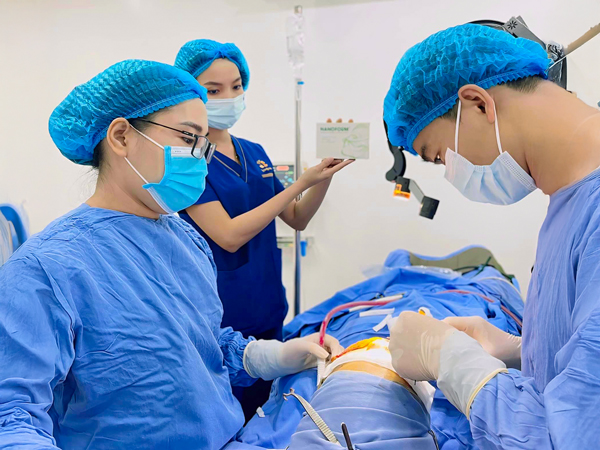
The surgeon reshapes and supports the nasal structures according to the planned design.
When an implant is used, it must be positioned carefully to reduce the risk of:
A nasal splint may be placed to protect the nose and support the tissues during early recovery.
Patients should not adjust or remove the splint themselves unless instructed.
Both S-Line and L-Line rhinoplasty are intended to improve nasal proportions, but they create different profile characteristics.
The measurements below are general aesthetic references rather than fixed rules.
| S-Line Rhinoplasty | L-Line Rhinoplasty |
|---|---|
| Creates a gently curved profile when viewed from the side. | Creates a straighter and often more projected bridge. |
| Often designed to appear soft, delicate, and natural. | Often designed to appear sharper, stronger, or more defined. |
| May use a frontonasal angle of approximately 120–135 degrees, depending on anatomy. | May use a more open frontonasal angle, depending on the facial profile. |
| The nasolabial angle may be approximately 90–105 degrees in many female patients, but varies by sex, ethnicity, and preference. | The tip may be longer or more projected, with an angle selected according to the patient’s facial proportions. |
| Commonly associated with softer East Asian aesthetic preferences. | May suit patients who prefer a straighter or more angular profile. |
| Often selected for women seeking a gentle and refined appearance, although it is not limited by sex. | May be selected by men or women who prefer a stronger and more structured nose. |
The original values of 85–90 degrees for the S-Line nasolabial angle and 140–150 degrees for the L-Line frontonasal angle should not be treated as universal surgical standards.
The surgeon should not force the patient’s nose into a specific numerical template.
The choice should consider:
A nose can look unnatural even when it matches a published numerical ratio if it does not suit the overall face.
Kangnam Aesthetic Hospital provides consultation and rhinoplasty procedures for Vietnamese, overseas Vietnamese, and international patients.
The hospital offers several nasal techniques, including procedures intended to create a soft S-Line profile.
Before treatment, the surgeon should evaluate:
The result should be designed for the individual patient rather than applying the same nose shape to everyone.
Depending on the case, the surgeon may use:
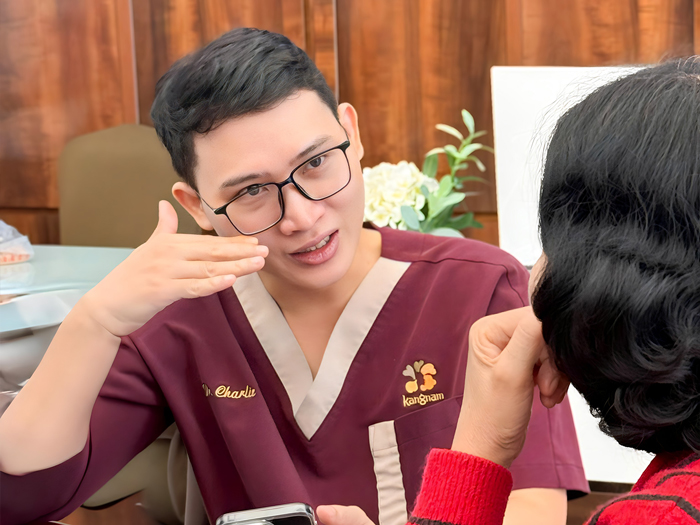
Kangnam provides individualised rhinoplasty planning for patients seeking a soft S-Line profile.
No hospital or surgeon should guarantee:
Kangnam may provide:
Patients should confirm the exact services included in their treatment package.
Some patients may achieve a higher and more refined nasal profile after S-Line rhinoplasty.
Individual results vary according to:
Testimonials and before-and-after images do not guarantee the same outcome for every patient.
Initial recovery after S-Line rhinoplasty commonly takes approximately seven to ten days, but the nose is not fully healed at this stage.
During the first week, patients may experience:
The splint and external sutures may be removed after approximately five to ten days, depending on the procedure.
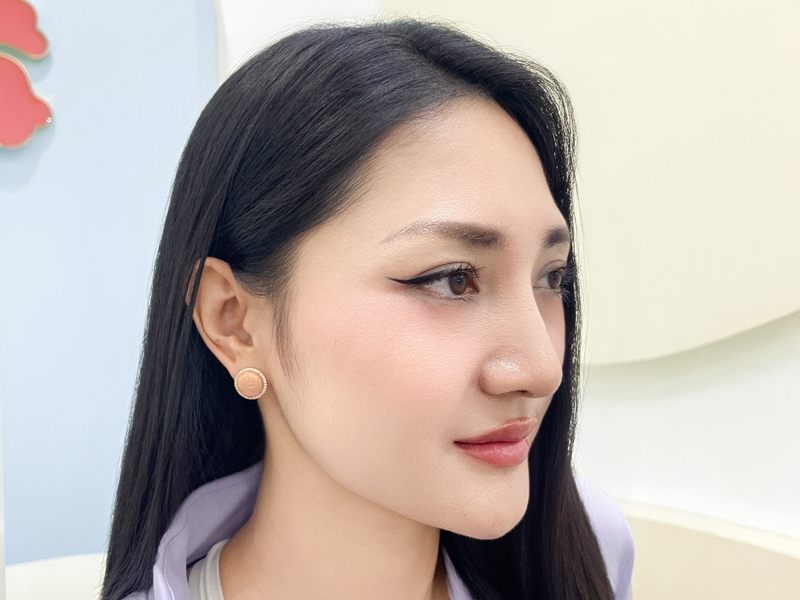
A postoperative examination is important before an overseas patient returns home.
A general recovery timeline may include:
Patients with thick skin or revision surgery may require longer than one year for the final result to settle.
Appropriate aftercare supports healing and helps reduce avoidable complications.
Patients should follow the exact instructions provided by their surgeon.
The medical team may recommend using a clean cotton swab moistened with sterile 0.9% sodium chloride solution to remove dried discharge around the incision.
Patients should:
The original instructions recommend applying 0.3% gentamicin ointment to the sutures.
Gentamicin or another antibiotic ointment should only be used when specifically prescribed by the surgeon.
Routine or prolonged use may cause:
Patients should not use leftover or non-prescribed antibiotic products.
Bruising may change from blue or purple to green or yellow before fading.
Patients should contact the medical team if swelling:
Cool compresses may be applied around the forehead and cheeks during the first 24–48 hours when recommended.
Patients should not:
There is insufficient evidence that glutinous rice, water spinach, seafood, beef, chicken, or eggs routinely cause raised scars, pus, or poor rhinoplasty healing.
These foods do not need to be avoided for one month unless:
Patients should prioritise:
Smoking and nicotine may reduce blood supply and increase the risk of:
Alcohol may worsen swelling, bruising, and medication-related side effects.
Patients should avoid:
Patients may be advised to avoid placing heavy glasses directly on the nasal bridge for approximately four to six weeks.
The exact period depends on:
Alternative support methods may be recommended.
Patients should avoid getting the splint and incision excessively wet.
The rest of the face may be cleaned carefully using a damp cloth or cotton pad.
Strong cleansers, exfoliants, and cosmetic products should not be applied directly to the healing wound.
Patients should follow instructions for:
They should not independently stop or add medication.
Follow-up allows the surgeon to evaluate:
Overseas Vietnamese patients should allow enough time in Vietnam for early review before flying.
Patients should contact the surgeon promptly for:
Emergency assessment is required for:
How Long Does Rhinoplasty Take to Heal?