Date posted: 26-07-2026 | Last updated : 27-07-2026
When exploring rhinoplasty options, many people frequently encounter the term sedation (pre-anesthesia). So what is sedation in rhinoplasty, and how does it differ from local anesthesia or general anesthesia? The following article will help you understand the role of sedation and why this method is widely applied in facial cosmetic surgery.
Sedation (pre-anesthesia) in rhinoplasty is the practice of using a mild dose of sedative medication to help the body relax, relieve anxiety, and minimize pain sensation throughout the surgical process. Unlike general anesthesia, sedation places the body in a semi-conscious, relaxed state where you can still breathe on your own and respond mildly when called upon. This technique stabilizes psychological state, reduces stress reflexes, and enables the surgeon to perform with greater precision and safety, contributing significantly to a successful rhinoplasty.
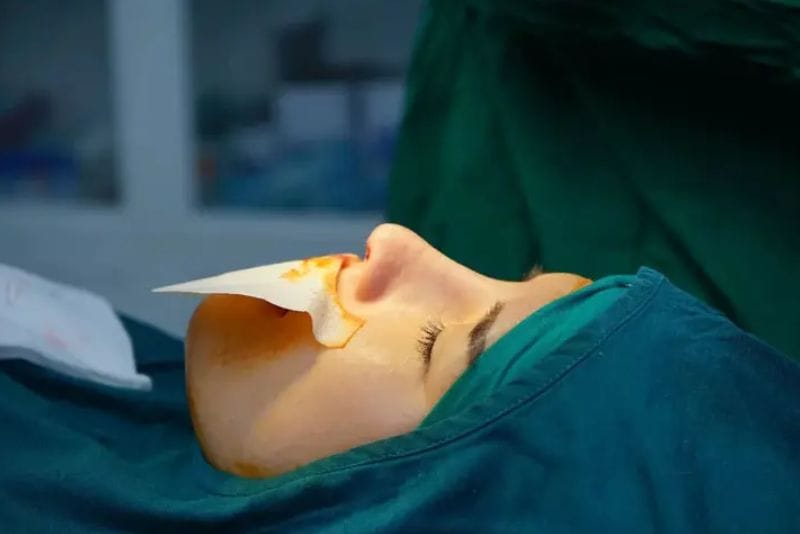
At accredited cosmetic centers such as Kangnam Aesthetic Hospital, sedation medications are administered in strictly safe dosages. Anesthesiologists continuously monitor vital signs—including heart rate, blood pressure, and respiratory rate—ensuring clients wake up completely clear-headed post-surgery without experiencing severe side effects.
Local anesthesia, sedation, and general anesthesia are three concepts involved in surgical pain management, yet they differ clearly in their depth of impact and client experience:
Local Anesthesia: Only eliminates pain sensation at the surgical site (such as the nose) while the client remains fully conscious. It is suitable for minor procedures that do not require deep anatomical intervention.
Sedation (Pre-anesthesia): Helps the body relax, reduces anxiety, induces mild drowsiness, and dampens pain perception while maintaining consciousness. Combined with local anesthesia, it offers a comfortable experience, preventing muscle tension during rhinoplasty.
General Anesthesia: Induces deep sleep, complete loss of consciousness, and suppression of autonomous reflexes. It is typically reserved for major, lengthy surgeries involving deep intervention into bone and cartilage structures.
In summary, sedation serves as a bridge between local anesthesia and general anesthesia, delivering greater safety and comfort during aesthetic rhinoplasty. Clients experience a gentle, pain-free process and wake up quickly after surgery concludes.
Sedation serves as a comforting “buffer” that makes rhinoplasty gentle, alleviates stress and fear, limits pain sensations, enables precise surgical execution, and allows rapid awakening.
Relieves Stress and Fear: Many clients experience nervousness, anxiety, or trembling before surgery. Sedation calms the nerves, placing the body into a pleasantly relaxed state.
Minimizes Pain and Discomfort: When combined with local anesthesia, sedation effectively raises the pain threshold. Clients hardly feel surgical intervention, remaining in a light, dream-like state throughout the procedure.
Enables Higher Precision for Surgeons: When your body is completely relaxed and stable, surgeons can execute delicate incisions, refine a symmetrical nasal bridge, and minimize bleeding or muscle contractions.
Rapid Awakening Without Fatigue: Unlike general anesthesia, sedation medications are short-acting. Clients awaken gently within 10–15 minutes post-surgery without lingering nausea or dizziness.
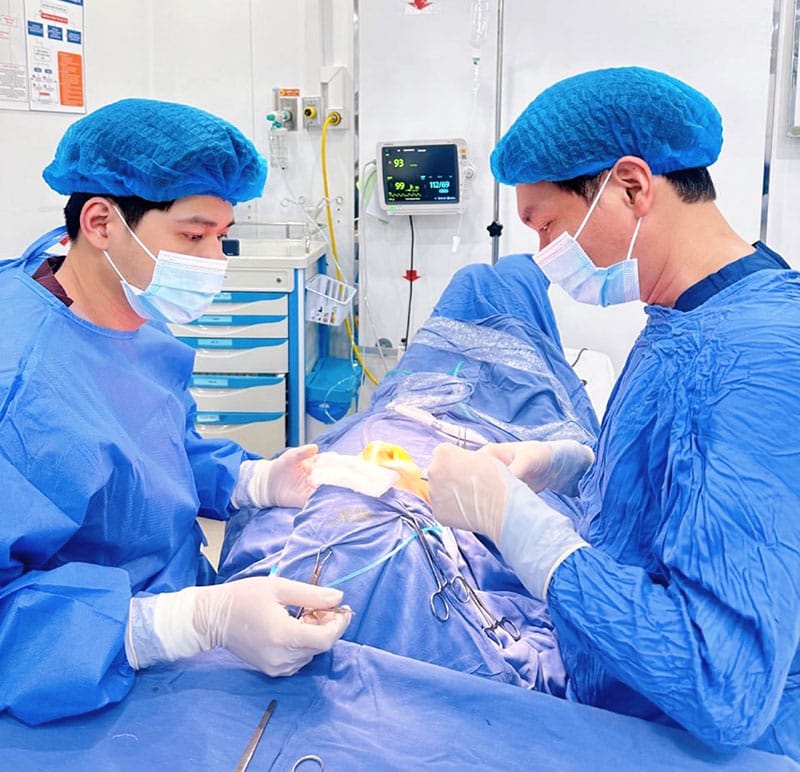
Thanks to these benefits, sedation is currently widely applied in structural rhinoplasty, semi-structural rhinoplasty, or minor bridge refinement, offering clients a comfortable and safe experience.
Sedation is safe and non-harmful when executed following proper medical protocols and supervised directly by specialized anesthesiologists. Sedative drugs used in aesthetic surgery are mild, Ministry of Health-approved medications administered at very low dosages. Once discontinued, the body fully metabolizes and excretes the medication through the liver and kidneys without leaving long-term impacts.
However, some individuals may experience temporary, mild responses such as drowsiness, dry mouth, or transient fatigue lasting a few hours. These are normal phenomena that fade quickly with proper rest.
To ensure absolute safety, clients should:
Disclose complete medical history, drug allergies, and cardiac, hepatic, or renal conditions to the doctor prior to surgery.
Undergo sedation at accredited cosmetic hospitals where specialized anesthesiologists monitor the process continuously.
At Kangnam Aesthetic Hospital, the entire anesthesia protocol is strictly controlled with continuous vital sign monitoring machinery, giving clients total peace of mind regarding their health.
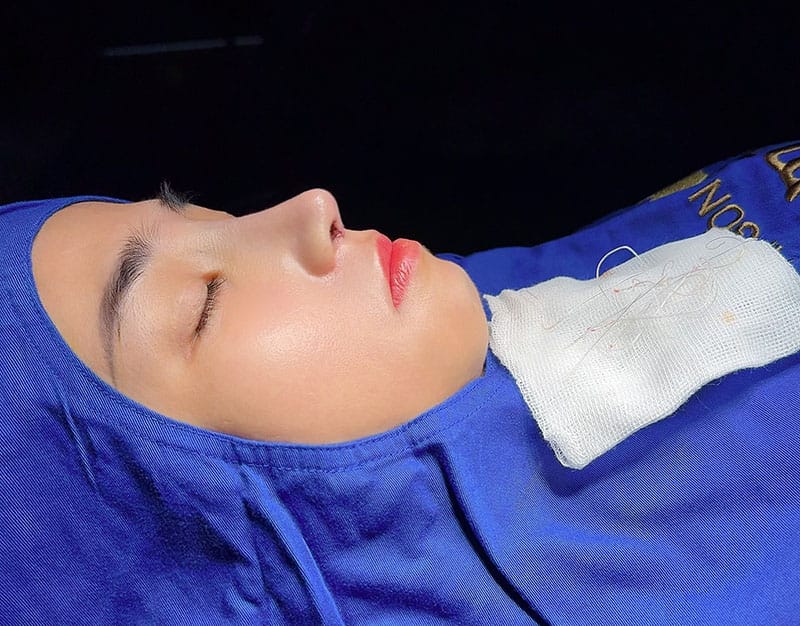
The sedation process is conducted meticulously to ensure maximum safety for clients, consisting of key steps:
Thanks to advanced techniques and rigorous oversight, sedation ensures clients enjoy a safe, comfortable experience throughout their aesthetic journey.
Brow Bone Lift: Reshaping the Brow for a Brighter Look
Non-Incisional Double Eyelid (Eyelid Tucking): A No-Cut Solution