Date posted: 26-07-2026 | Last updated : 27-07-2026
Nasal bone fracture is a facial trauma that occurs after a strong impact, accident, or fall. Early recognition of signs of a nasal fracture helps facilitate timely treatment, preventing nasal deformities or breathing complications.
Signs of a nasal bone fracture appear immediately after experiencing a strong impact to the nasal region. Individuals with a nasal fracture will feel severe pain, swelling, and bruising around the nose or spreading to the eye area, accompanied by nosebleeds. The nose may appear deformed, crooked, or deviated to one side, and a “crunching” or “cracking” sound may sometimes be heard upon touch.
Additionally, patients may experience nasal congestion and difficulty breathing due to a deviated septum or hematoma. If accompanied by headaches, vomiting, loss of consciousness, or neck pain, the nasal fracture may be associated with head and neck injuries, requiring emergency medical intervention to prevent complications.
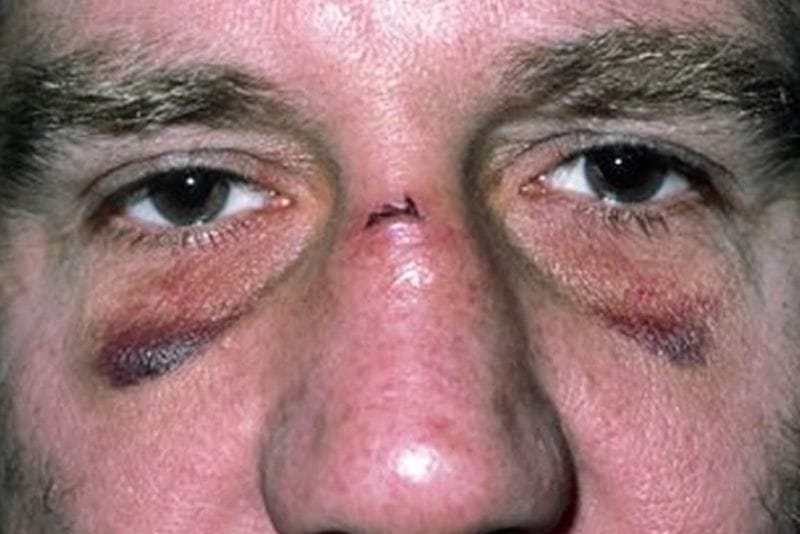
Note: In many cases, swelling is initially mild with no obvious deformity, leading patients to be subjective. After a few days as swelling subsides, a deviated or sunken nasal bridge becomes clearly visible, at which point orthopaedic reconstructive treatment becomes significantly more complex.
Nasal bone fractures are categorized into levels such as minor hairline cracks, displaced fractures, complex fractures, and open fractures with severe facial injury.
Level 1 – Minor Hairline Fracture or Crack: The bone experiences only a small crack without displacement, leaving the nasal shape virtually normal with only mild swelling or bruising around the nose. These cases typically recover spontaneously after 7–10 days with cold compresses, rest, and pain medication.
Level 2 – Fracture with Mild Displacement: The nasal bone is fractured and slightly displaced (under 2mm), causing the nasal contour to tilt slightly and making breathing difficult on one side. Doctors will manually realign the bone within 7–14 days post-injury to prevent the bone from fusing incorrectly.
Level 3 – Complex or Significantly Displaced Fracture: The nose is distinctly deformed, potentially sunken, bent, or deviated to one side, accompanied by widespread bruising and severe pain. Patients require reconstructive surgery or nasal structural restoration using autologous cartilage at specialized medical centers.
Level 4 – Open Fracture with Severe Facial Injury: Fractured nasal bones break through the skin, accompanied by skin lacerations, heavy bleeding, or soft tissue infection. This is a critical condition requiring emergency surgery to cleanse the wound, realign, and fixate the bones in a timely manner.
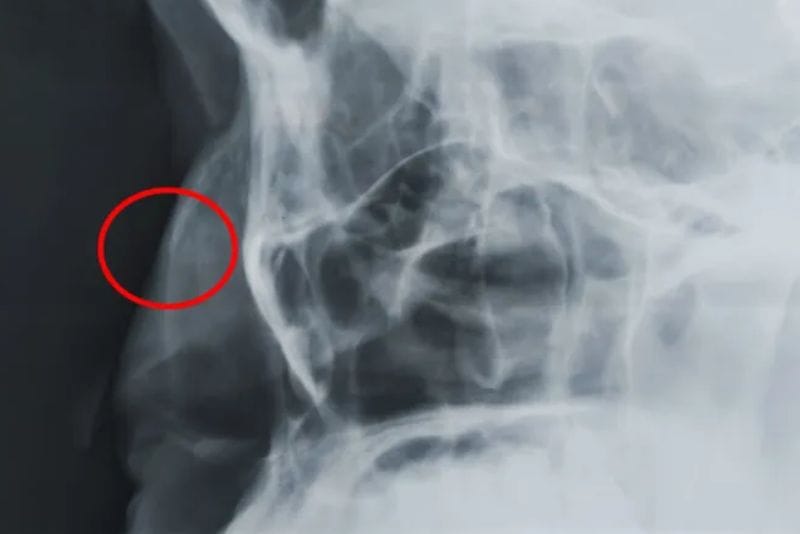
Clinical examination, sinus/nasal X-rays, 3D facial/nasal CT scans, and nasal endoscopy are diagnostic methods for nasal bone fractures. Early diagnosis and timely treatment prevent bones from fusing incorrectly, which would necessitate more complex reconstructive surgery later.
Clinical Nasal Examination: Doctors visually inspect signs such as swelling, bruising, bridge deformity, and septal hematomas. Gentle palpation is performed to identify pain points, displacement, or bony crepitus (“crunching” sound). Simultaneously, nasal airways are checked to evaluate ventilation function.
Sinus/Nasal X-rays: Help detect fracture lines and displacement locations. However, for small hairline cracks, X-rays may not be sufficiently clear.
3D Facial/Nasal CT Scan: Currently considered the gold standard in diagnosing nasal bone fractures. CT scans provide detailed images of the nasal bones, septum, sinuses, and surrounding soft tissues, enabling doctors to formulate millimeter-precise treatment plans.
Nasal Endoscopy: Evaluates mucous membranes, septum, and the extent of bleeding or hematoma within the nasal cavity.
Treatment for nasal bone fractures should be performed as early as possible before bones fuse in incorrect positions. Proper technical treatment not only restores respiratory function but also preserves a natural nasal shape, preventing permanent deviation or deformity.
Initial Emergency First Aid: Immediately following nasal trauma, keep the head elevated and apply cold compresses to reduce swelling and avoid bleeding. Absolutely do not attempt to manually squeeze or massage the nose at home, as this can worsen bone displacement. Afterwards, visit a specialized hospital for CT scans or X-rays to determine fracture direction and receive proper care.
Medical Treatment: In cases with only hairline cracks or minor fractures, doctors will prescribe pain relievers and anti-inflammatory medications while instructing cold compresses and rest for self-recovery. Patients need regular follow-up visits to ensure bones heal in correct alignment without causing deformities.
Non-Surgical Nasal Bone Reduction: If bones are mildly displaced, doctors perform manual or instrument-assisted reduction to return bones to their original positions. This procedure takes only about 20–30 minutes under mild local anesthesia, followed by nasal splinting for 7–10 days.
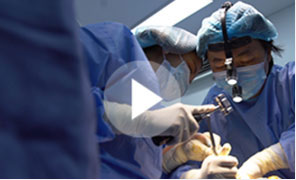
Reconstructive / Surgical Nasal Restoration: For severe fractures, bridge deviations, or structural deformities, doctors perform surgery to reconstruct the nasal skeletal framework. Surgery is conducted under mild general anesthesia to dissect and realign the bony framework, potentially combined with autologous cartilage grafting or titanium plate fixation.

When diagnosed and treated early, nasal bone fractures allow for the restoration of a natural nasal contour, maintenance of respiratory function, and maximum prevention of future deformities. Therefore, upon suspecting any signs, patients should seek immediate care at specialized medical facilities for proper evaluation and management.
Brow Bone Lift: Reshaping the Brow for a Brighter Look
Non-Incisional Double Eyelid (Eyelid Tucking): A No-Cut Solution