Date posted: 21-07-2026 | Last updated : 28-07-2026
After rhinoplasty, you should avoid sleeping on your side for the first 15–20 days, as this is the period during which the soft tissues and nasal cartilage stabilize in position and form firm connections. Sleeping on your side too soon may place pressure on the nasal bridge, causing it to shift or affecting the surgical outcome. After this period, once the connective tissues have become more stable, you may gradually begin sleeping gently on your side. However, sleeping on your back should still be prioritized to help maintain the desired nasal shape.
You should avoid sleeping on your side after rhinoplasty because this position may place pressure on the nose, causing the nasal bridge to shift, the nasal structure to become deformed, or the cartilage graft to move out of position, thereby affecting the aesthetic outcome. In addition, the surgical incision remains sensitive and vulnerable to injury. Therefore, sleeping on your side should be avoided during the first few weeks to ensure proper healing and help the nose achieve the desired shape.
Below are the specific reasons why you should avoid sleeping on your side after rhinoplasty:

Do not sleep on your side after rhinoplasty to avoid placing pressure on the nasal area
During the first few weeks, you should continue to prioritize sleeping on your back to protect the surgical outcome.
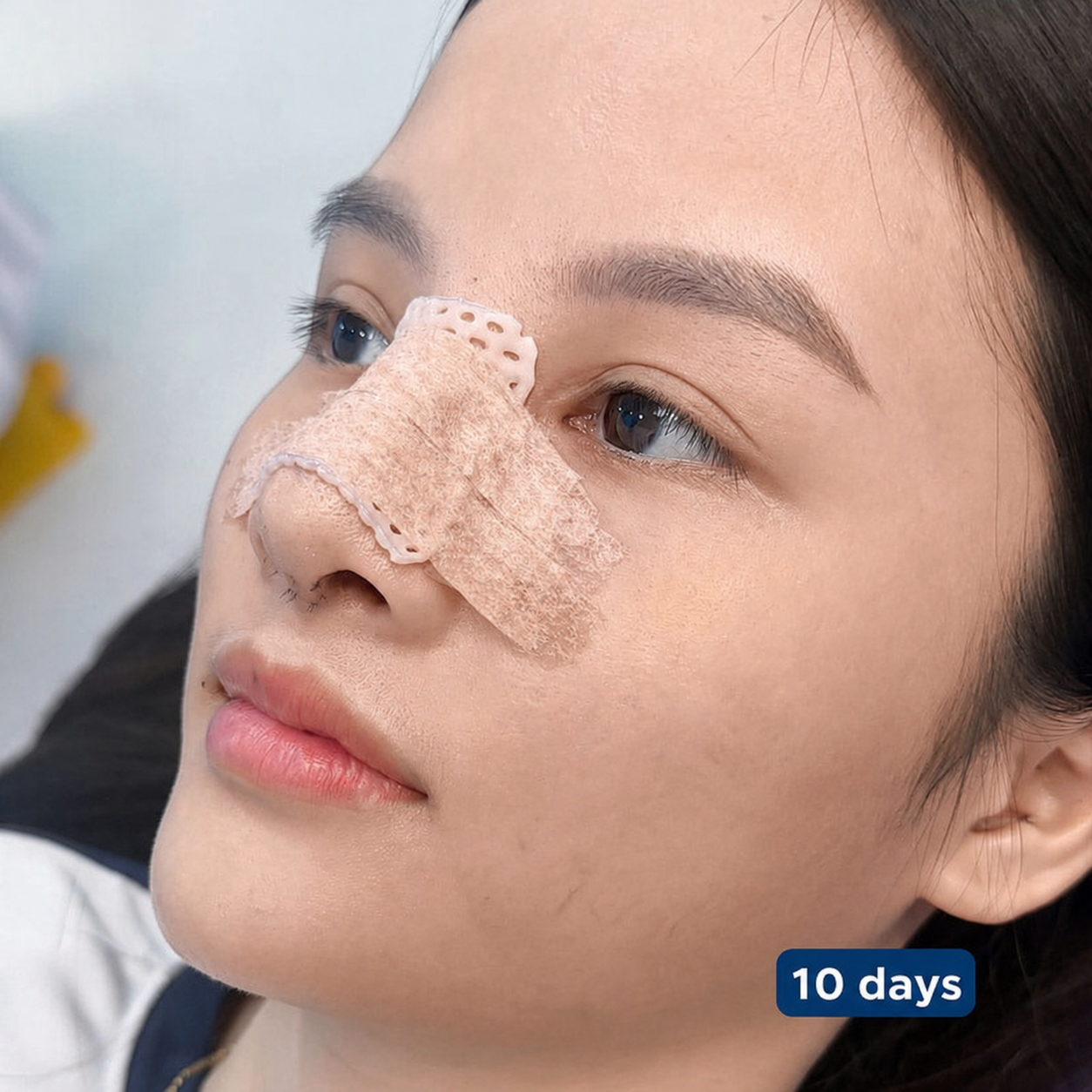
The correct sleeping position after rhinoplasty is lying on your back, keeping your back straight and your head elevated above the rest of your body. This position helps reduce swelling and minimizes pressure on the nasal area. During the initial recovery period, you should maintain this position consistently to support healing and reduce the risk of nasal deviation or injury.
If sleeping on your back for a prolonged period causes fatigue or discomfort, you may use a neck pillow or place pillows on both sides of your body to stabilize your position and prevent yourself from turning over while sleeping.
Kangnam Aesthetic Hospital is trusted by many overseas Vietnamese patients who return to Vietnam for rhinoplasty because of its reputable brand, highly qualified medical team, and specialized postoperative care services. To ensure optimal aesthetic results and safety before returning abroad, patients should keep the following important points in mind:
At Kangnam, overseas Vietnamese patients receive comprehensive support through five-star postoperative accommodation services and 24/7 nursing care, ensuring that recovery takes place under optimal conditions. Appointments are scheduled flexibly, allowing patients to manage their stay without disrupting their personal schedules.
In addition, Kangnam provides remote postoperative support through online consultations with surgeons, helping patients monitor the condition of their nose even after they have returned abroad.
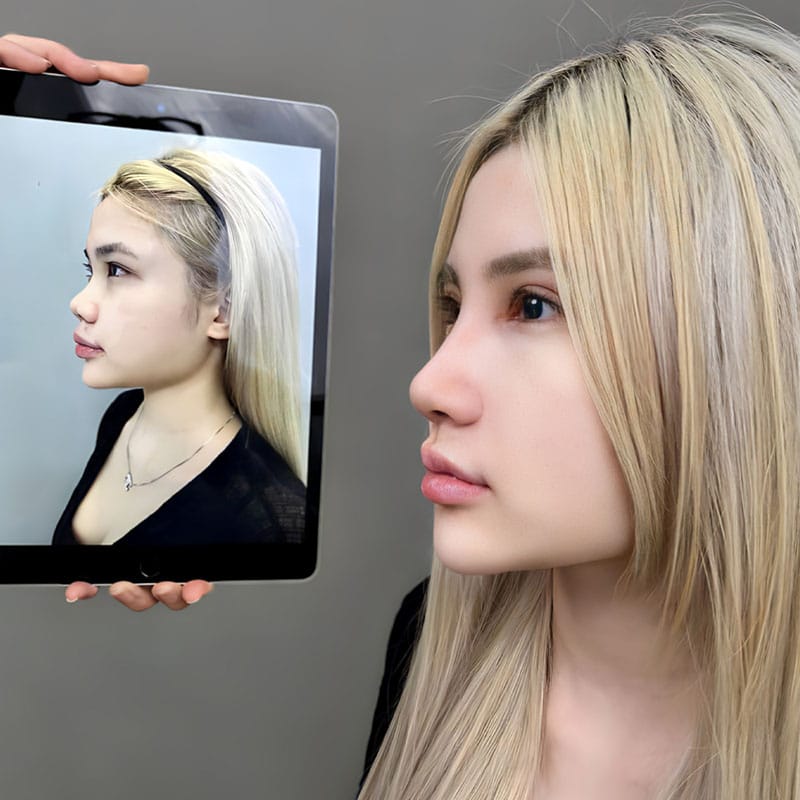
With standardized services and dedicated care, Kangnam is not only a destination for aesthetic enhancement but also a trusted companion for overseas Vietnamese patients throughout their journey toward improved appearance.
Overseas Vietnamese patients are satisfied after undergoing rhinoplasty at Kangnam
We hope the information above has helped patients understand how long after rhinoplasty they can sleep on their side and why following the correct postoperative sleeping position is important. To help the nose achieve the desired shape safely and maintain long-lasting results, always follow your surgeon’s instructions. If you still have questions about how long after rhinoplasty you can sleep on your side, contact Kangnam Aesthetic Hospital for detailed consultation.
When Can You Bend Over After Rhinoplasty?