Date posted: 21-07-2026 | Last updated : 25-07-2026
The side effects of thread embedding therapy do not always appear immediately. However, if they are not recognised and managed promptly, they may lead to prolonged skin problems or other health complications.
For this reason, patients should receive a thorough medical consultation before treatment and choose a licensed, reputable facility with qualified practitioners, appropriate infection-control procedures, and a clear complication-management plan.
Terminology note: Thread embedding therapy involves placing absorbable sutures into selected subcutaneous tissues or acupuncture points. It is not identical to a cosmetic thread lift, although the two procedures may share some risks related to absorbable threads, tissue trauma, infection, and allergic reactions.
Possible adverse effects after thread embedding therapy include:
These symptoms may result from local tissue irritation, contamination, bacterial entry, or inadequate sterile technique.
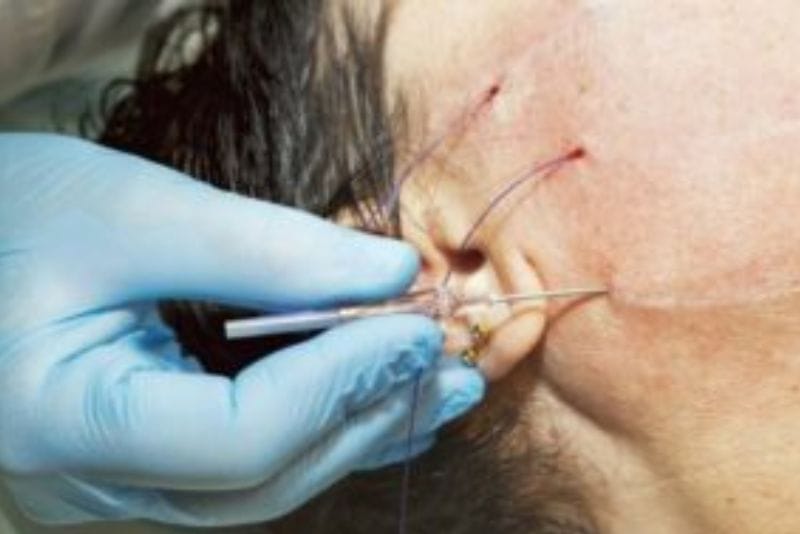
Incorrect thread placement may increase the risk of adverse effects.
An allergy or hypersensitivity reaction to the absorbable suture material may also cause:
In some cases, incorrect insertion depth or poor technique may cause bleeding, damage to small blood vessels, persistent pain, or nerve irritation.
The main causes of complications may include:
Although thread embedding therapy differs from cosmetic lifting procedures, some general information about thread-related complications can also be found in Thread Lift Side Effects.
The following groups may have a greater risk of complications after thread embedding therapy.
Patients with diabetes, autoimmune disorders, immunodeficiency, or those taking immunosuppressive medication may have a higher risk of:
Patients with diabetes should ensure that their blood glucose is appropriately controlled before undergoing an invasive procedure.
Patients with a previous reaction to absorbable sutures, medical implants, anaesthetics, disinfectants, or adhesive dressings may be at greater risk of developing:
A detailed allergy history should be discussed with the practitioner before treatment.
The risk of infection may increase when patients:
General guidance on protecting treated areas is also discussed in What to Avoid After a Collagen Thread Lift. However, patients should follow the specific instructions provided for thread embedding therapy.
Patients with clotting disorders, unstable blood pressure, platelet abnormalities, or those taking anticoagulant or antiplatelet medication may have a greater risk of:
Patients must not stop prescribed blood-thinning medication without consulting the doctor who manages their condition.
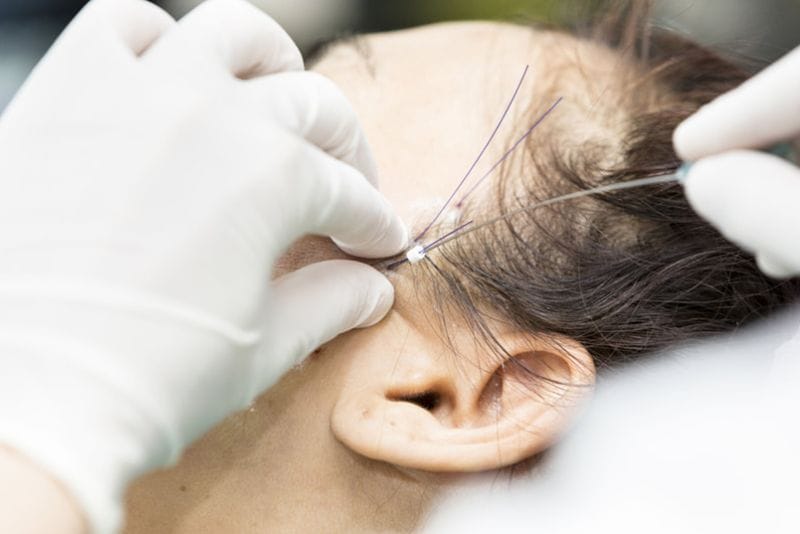
Patients with blood-clotting disorders may not be suitable candidates for thread embedding therapy.
Prompt and appropriate management is essential when adverse effects develop after thread embedding therapy.
Patients should observe the treated area for:
Taking photographs may help the treating doctor evaluate how the symptoms are progressing.
If mild irritation occurs, the area should be cleaned only according to the doctor’s instructions.
Patients should not independently apply:
Some substances may worsen irritation, delay diagnosis, or alter the appearance of an infection.
Patients should temporarily avoid:
Depending on the diagnosis, a doctor may prescribe:
Antibiotics should not be used routinely or purchased without medical advice.
Patients should seek medical assessment if symptoms do not improve within 24–48 hours or if they become progressively worse.
Urgent assessment is recommended for:
A doctor may recommend removing the thread when there is:
Thread removal must be performed by a qualified medical practitioner. Patients should never attempt to pull out or cut an exposed thread themselves.
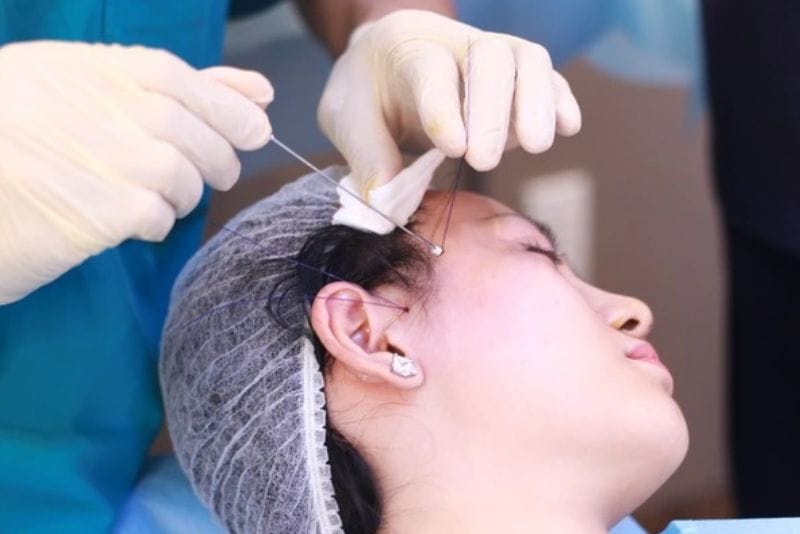
Severe allergic reactions or deep tissue injury may require early thread removal.
Thread embedding therapy should be performed at a licensed medical facility by a practitioner with appropriate training.
The facility should provide:
Price should not be the only factor when choosing a treatment provider.
Before the procedure, patients should inform the doctor about:
Treatment should be postponed when the insertion area has an active infection, open wound, inflamed acne lesion, or other uncontrolled skin condition.
Patients should:
Strenuous exercise and movements that stretch the treated area may increase:
The doctor should advise when normal physical activity can be resumed.
Patients should not independently use:
Medication should be selected according to the specific diagnosis, medical history, and potential drug interactions.
Patients should carefully observe the treatment site and attend scheduled follow-up appointments.
Early medical intervention is important when symptoms suggest infection, allergy, tissue injury, or thread displacement.
Mild swelling, tenderness, or bruising may occur after an invasive thread procedure because the needle and thread cause controlled tissue trauma.
These reactions should generally:
Swelling that worsens rather than improves should not automatically be considered a normal recovery response.
Possible signs of infection include:
Infections involving implanted material may not resolve with home care alone. The patient may require prescription medication, drainage, thread removal, or other medical treatment.
Nerve injury is uncommon but possible when a needle or thread is inserted too deeply or in an anatomically unsafe location.
Warning signs may include:
Temporary irritation may improve as swelling subsides, but persistent neurological symptoms require prompt assessment.
Absorbable threads are designed to break down gradually in the body, but this does not mean that every patient will tolerate them without difficulty.
Possible reactions include:
A true allergic reaction is not the only possible explanation for redness or swelling. The doctor may need to distinguish between infection, irritation, foreign-body reaction, and mechanical complications.
Thread embedding therapy may offer potential therapeutic or aesthetic benefits, but it is not free from adverse effects.
Complications may include swelling, inflammation, bleeding, allergic reactions, infection, nerve irritation, and thread extrusion. The level of risk depends on the patient’s health, the thread material, the practitioner’s technique, infection-control standards, and post-treatment care.
To reduce the risk of complications, patients should undergo appropriate medical screening, choose a licensed facility, follow aftercare instructions, and seek prompt medical attention if symptoms worsen or fail to improve.
Related Articles
Thread Lift Side Effects: Possible Risks and Complications
What to Avoid After a Collagen Thread Lift