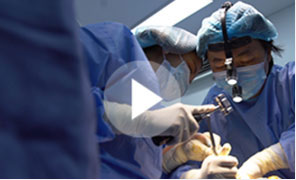
Date posted: 22-07-2026 | Last updated : 28-07-2026
Complications from thread rhinoplasty are a concern for many patients, particularly overseas Vietnamese patients who wish to undergo an aesthetic procedure during a short stay in Vietnam. This method is promoted as minimally invasive with a rapid recovery; however, if it is performed using improper techniques or low-quality threads, the risk of complications remains high.
Thread rhinoplasty can still cause complications if it is performed using improper techniques or low-quality threads. Common problems include thread migration, thread exposure, infection, or nasal deviation because the threads are not securely fixed within the nasal tissues.
Thread rhinoplasty only provides temporary support without changing the nasal structure. Therefore, the outcome can easily be affected by individual characteristics and post-procedure care, increasing the risk of complications.
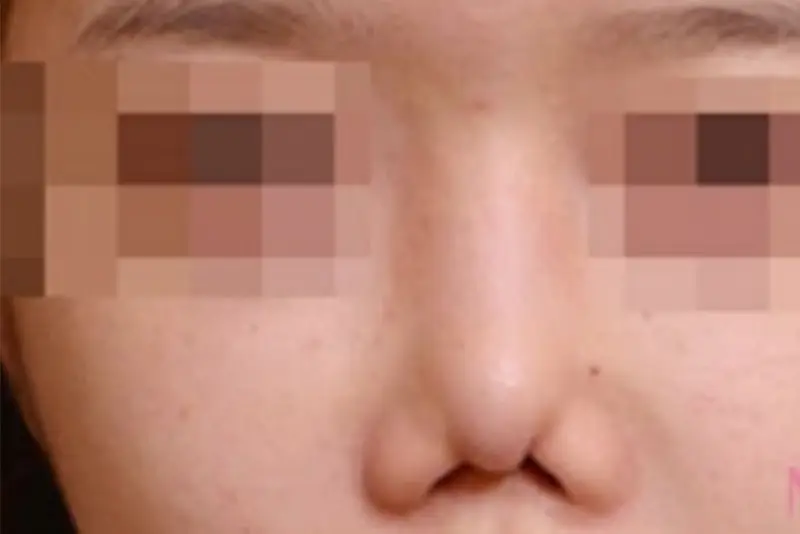
Thread rhinoplasty carries potential risks of complications.
Complications from thread rhinoplasty may include swelling, bruising, bleeding, infection, nasal deviation, thread exposure, allergic reactions, or even tissue necrosis if sterility standards are not maintained or the doctor lacks sufficient expertise.
In principle, rhinoplasty threads only provide temporary support and have not been recognized by the FDA. They may cause the nasal bridge to become tilted, crooked, asymmetrical, or irritated. Some patients may also experience adverse effects such as bleeding, nasal dryness, or sinus problems, indicating that this method carries several potential risks.
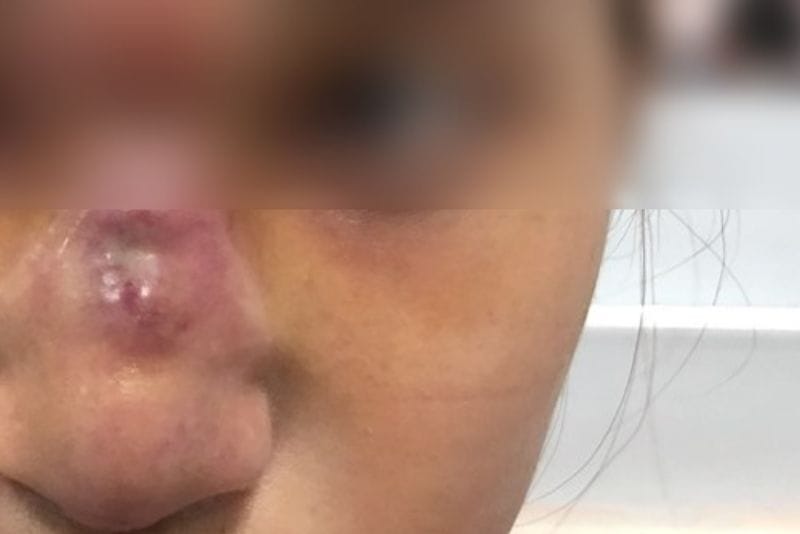
Severe infection and tissue necrosis after thread rhinoplasty.
Substandard threads, improper technique, inadequate sterility leading to infection, incorrect post-procedure care, and an unreliable aesthetic facility are causes of complications from thread rhinoplasty.
Many overseas Vietnamese patients consider thread rhinoplasty because it is minimally invasive, can be performed quickly, and allows an early return to daily activities, making it suitable for a short stay in Vietnam. However, this method has not been recognized by the FDA and may easily cause complications if the technique is inadequate or the materials used do not meet quality standards.
Many patients have experienced swelling, inflammation, nasal bridge deviation, thread exposure, or even nasal tissue necrosis after undergoing the procedure at an unreliable facility or failing to follow proper post-procedure care. Therefore, to minimize risks, overseas Vietnamese patients should consider the following important points:
Compared with thread rhinoplasty, specialists recommend surgical rhinoplasty for patients seeking a more durable and attractive nasal shape, a lower risk of complications, and long-lasting results. With the support of premium cartilage materials and modern techniques, this method helps create a harmonious, natural-looking, and safer nasal shape. For overseas Vietnamese patients in particular, surgical rhinoplasty optimizes the revision process and reduces the need for repeated travel due to complications.

Overseas Vietnamese patients should choose surgical rhinoplasty to achieve optimal results.
Kangnam Aesthetic Hospital has long been a familiar destination for many overseas Vietnamese patients seeking rhinoplasty in Vietnam. Kangnam attracts patients with modern technologies such as Idol structural rhinoplasty and 6D Surgiform rhinoplasty, which comprehensively reconstruct the nose, create natural-looking results, and provide long-lasting durability.
Premium cartilage and implant materials such as Nanoform and Surgiform from the United States meet quality standards and offer nearly complete compatibility, helping minimize the risk of complications. In particular, AI Face Design technology allows patients to preview their three-dimensional nasal shape with an accuracy of up to 92%, providing reassurance before surgery. Rhinoplasty procedures are performed directly by a team of doctors with more than 10 years of experience.
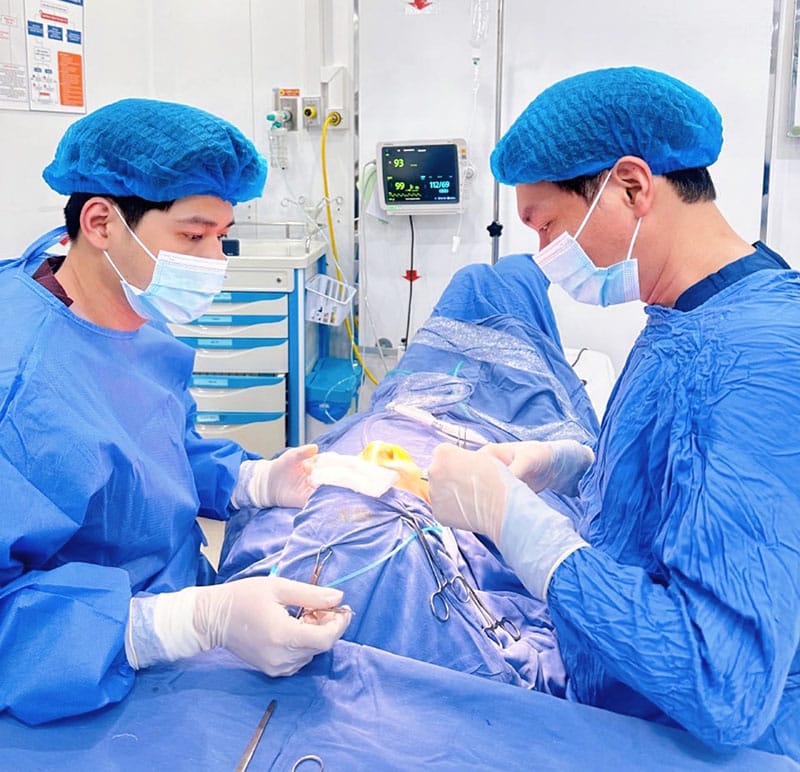
Rhinoplasty doctors perform precise techniques to create a harmonious nasal shape.
In addition to professional expertise, Kangnam offers several exclusive benefits for overseas Vietnamese patients, including one-on-one online consultations, priority selection of doctors, flexible appointment schedules, and premium postoperative care services. These are the reasons why an increasing number of overseas Vietnamese patients trust Kangnam to achieve an attractive, safe, and long-lasting nasal shape.
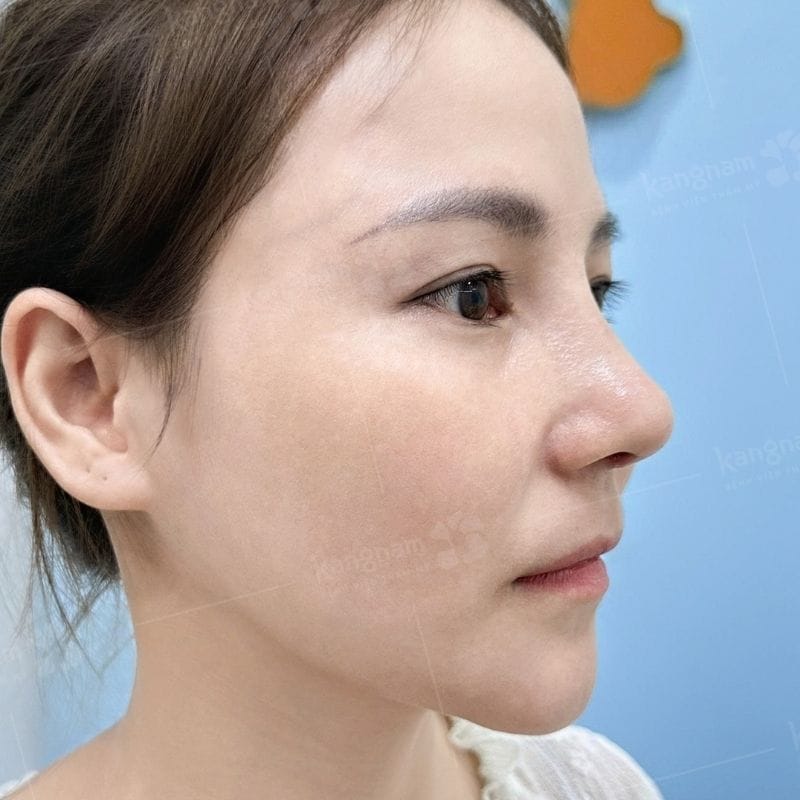
Many overseas Vietnamese patients trust Kangnam for rhinoplasty.
If you are an overseas Vietnamese patient looking for a reputable rhinoplasty provider in Vietnam, contact Kangnam Aesthetic Hospital for detailed consultation and a premium service experience.
How Long Does Thread Rhinoplasty Last?
Ear Cartilage Rhinoplasty for Overseas Vietnamese Patients Returning to Vietnam