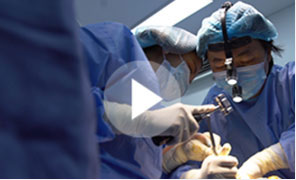
Date posted: 21-07-2026 | Last updated : 28-07-2026
Rhinoplasty grafts and implants are important factors that determine the height, durability, and safety of the nose after surgery. Choosing the appropriate material not only affects the aesthetic outcome but also helps reduce complications during recovery.
Rhinoplasty grafts and implants are important and useful materials used in rhinoplasty to increase nasal height and correct concerns such as a low or flat nose and an upturned nasal tip. There are two main types: autologous cartilage, which is harvested from the patient’s own body, such as ear cartilage, septal cartilage, and rib cartilage; and synthetic implants, which are manufactured biomaterials such as Megaderm, Surgiform, and Nanoform. Each type has its own advantages and disadvantages.
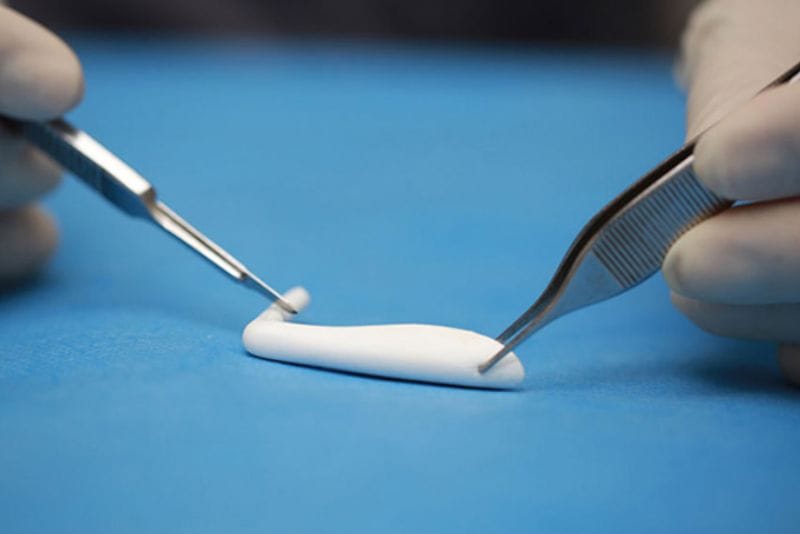
Rhinoplasty grafts and implants are materials used in surgical rhinoplasty procedures.
Common types include synthetic implants such as silicone, Gore-Tex, Surgiform, Nanoform, Softxil, and Megaderm, as well as autologous cartilage, including ear cartilage, septal cartilage, and rib cartilage.
Silicone is a synthetic implant material that has long been used in rhinoplasty. Its greatest advantage is its ability to create a clearly defined shape, allowing the surgeon to form a higher and straighter nasal bridge according to the patient’s preferences. Because silicone implants are available in various sizes and shapes, they can be flexibly trimmed and adjusted to suit each nasal structure.
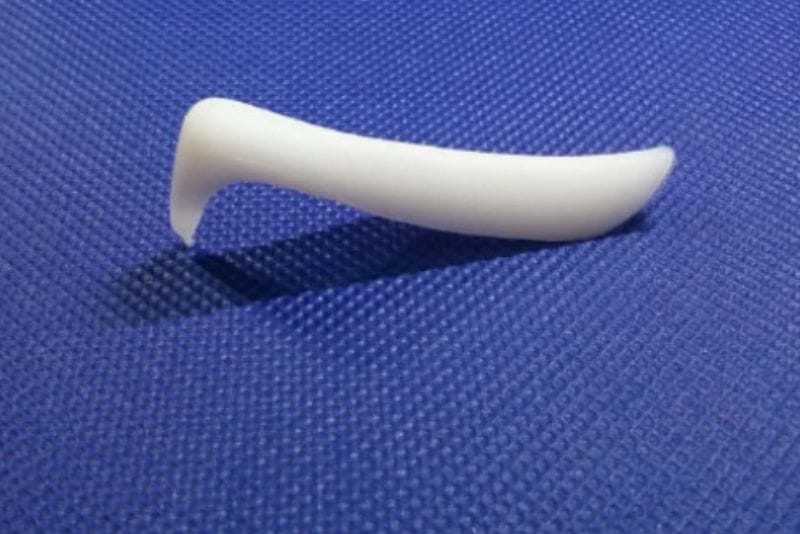
Silicone implants were widely used in the past.
However, this material does not integrate with surrounding tissues. In some patients, it may cause reactions such as fibrous capsule formation, redness and a shiny appearance, or implant visibility, particularly when the nasal skin is thin or the surgical technique is not performed accurately.
Softxil is a new-generation synthetic implant material designed to provide a more natural feel and greater flexibility after implantation. Its advantages include softness, flexibility, and ease of shaping, making it suitable for nasal shapes that require a smooth transition between the nasal bridge and tip.
Surgiform is a premium implant made from ePTFE, a highly biocompatible medical material commonly used in cardiovascular surgery. A key feature of Surgiform is its microporous structure, which allows soft tissue to grow and adhere to the implant surface, helping it remain firmly fixed after placement in the nose.
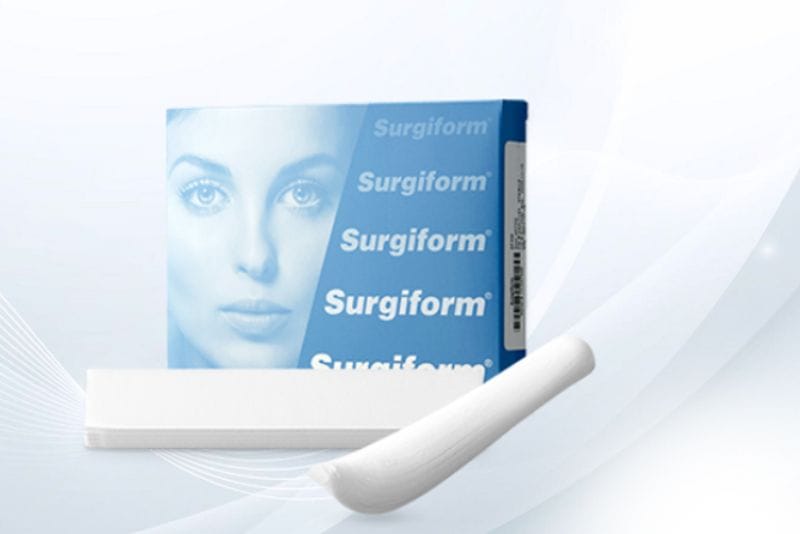
Surgiform implants are recommended by many surgeons.
Nanoform is also an ePTFE implant, but it is manufactured using advanced nanotechnology to create extremely small microparticles that improve the ability of soft tissue to adhere to the implant surface.
This implant is considered to have good biological integration, helping reduce the risk of complications such as implant exposure or nasal tip contracture.
Megaderm is a biological material processed from human tissue, with a structure similar to natural skin tissue. It is generally not used to build up the nasal bridge. Instead, it is primarily used to cover the tip of a synthetic implant or as a protective layer beneath the skin of the nasal tip.
Megaderm helps reduce pressure on the skin tissue, limits the risk of redness, a shiny appearance, and implant visibility, and creates a more natural appearance at the nasal tip.
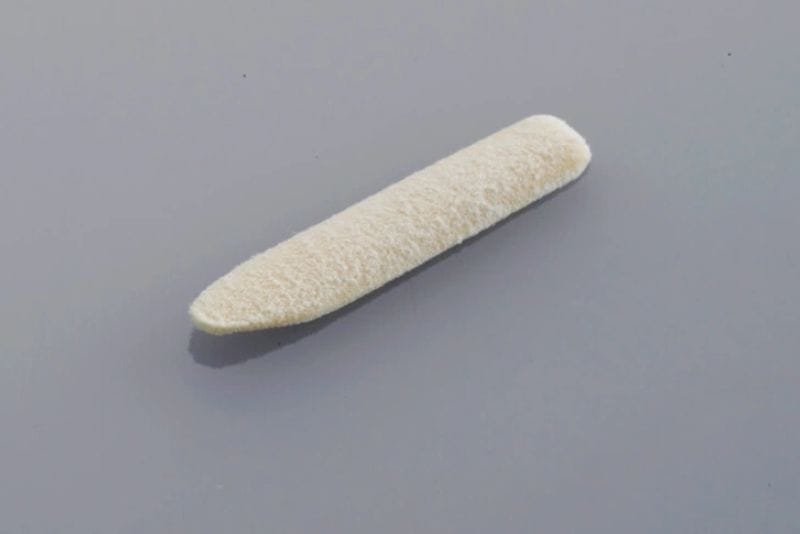
Megaderm offers good biocompatibility.
Gore-Tex is widely used in medicine. With its stable microporous structure, Gore-Tex allows soft tissue to grow through the material, creating a firm biological connection and reducing the risk of implant displacement.
Ear cartilage is harvested directly from the patient’s own ear. It is soft, slightly curved, and easy to shape. Due to its high elasticity, it is commonly used to cover the nasal tip, helping create a rounded and fuller appearance without making the tip feel excessively firm.
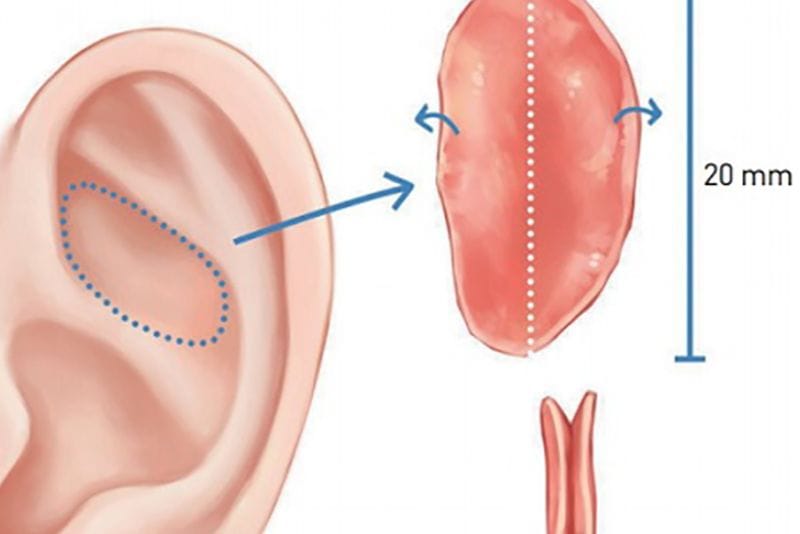
Autologous ear cartilage helps minimize the risk of nasal implant visibility.
Septal cartilage is located in the central part of the nose. It is straight, firm, and stable, making it suitable for supporting the nasal tip or lengthening the nose. This type of cartilage is often preferred in structural rhinoplasty because it provides strong and stable support and is less likely to contract over time.
Rib cartilage is harvested from the patient’s sixth, seventh, or eighth rib. It is an optimal option for severely damaged noses or cases requiring complete nasal reconstruction.
This type of cartilage is available in a large volume, has a high degree of firmness, and can create a clearly defined and stable nasal shape. However, harvesting rib cartilage requires advanced surgical skills and leaves a small scar in the chest area. Therefore, the procedure should be performed by an experienced surgeon.

Rib cartilage rhinoplasty for overseas Vietnamese patients: A trusted rhinoplasty provider.
Surgiform and Nanoform are considered two of the best and most commonly used rhinoplasty implants. They are made from ePTFE with a microporous structure, allowing soft tissue and blood vessels to grow through the material more easily, thereby reducing the risk of rejection or implant visibility.
However, choosing the most suitable rhinoplasty implant depends on several factors, including the current nasal structure, skin thickness, individual physical characteristics, aesthetic preferences, and the surgeon’s professional recommendations. Therefore, an in-person examination and consultation with a specialist will help determine the optimal approach, ensuring both safety and long-lasting aesthetic results.
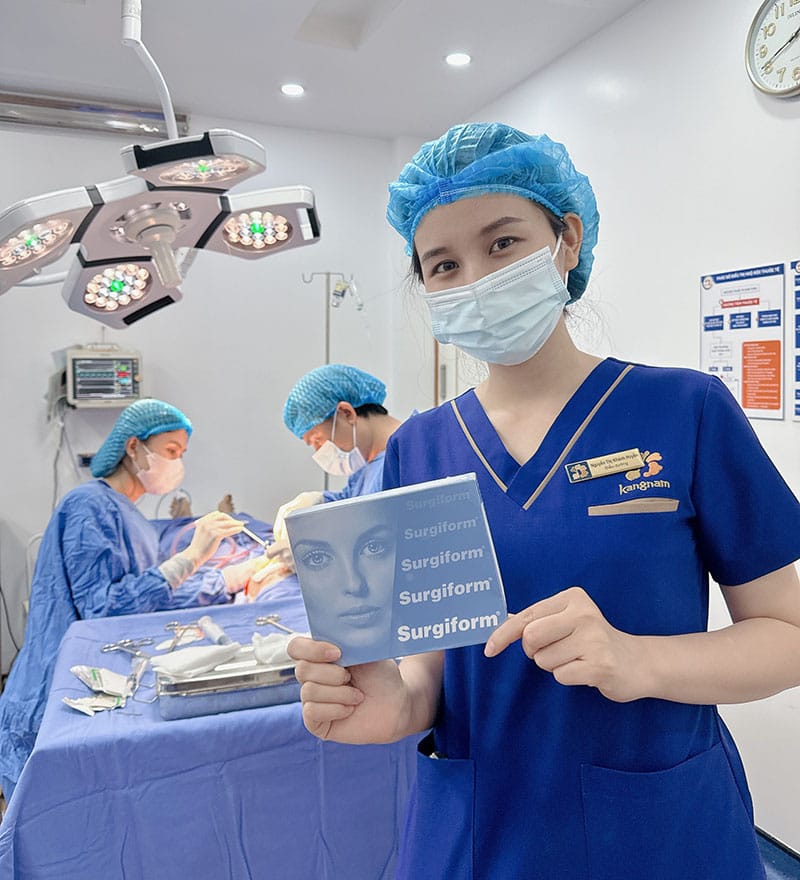
Consult with a surgeon to choose the most suitable implant material.
For patients living abroad, priority should be given to rhinoplasty implants with high biocompatibility, a low risk of complications, and long-lasting results, such as Surgiform or Nanoform. These materials allow soft tissue to adhere effectively and help reduce the risk of rejection, making them particularly suitable for patients with a limited stay in Vietnam.
In addition, patients should have a remote consultation with a surgeon in advance to assess their nasal condition and select the implant material that best suits their individual characteristics and expectations.
Kangnam Aesthetic Hospital prioritizes the use of premium implant materials such as Surgiform and Nanoform, helping overseas Vietnamese patients feel confident when choosing to undergo rhinoplasty at the hospital.

Kangnam prioritizes the use of premium Surgiform implants.
The implant materials used at Kangnam have high biocompatibility, allowing effective soft-tissue integration, reducing the risk of rejection, and maintaining a stable nasal shape for many years. Thanks to modern technology and precise techniques performed by a highly qualified medical team, recovery time is significantly shortened. The surgical wound generally achieves initial healing within only 7–10 days. This is particularly suitable for overseas Vietnamese patients with limited time during their return to Vietnam.
In addition, Kangnam provides attentive postoperative care, helping ensure a comfortable recovery process with minimal pain and limited disruption to daily activities.
If you are an overseas Vietnamese patient looking for a safe rhinoplasty solution with a fast recovery and long-lasting results, contact Kangnam Aesthetic Hospital for an online consultation with a specialist.