Date posted: 21-07-2026 | Last updated : 28-07-2026
Knowing how long after rhinoplasty you can bend your head down is important before undergoing the procedure. A lack of knowledge or being careless during postoperative care may lead to unnecessary risks affecting both health and aesthetic results.
After approximately 1–2 weeks, patients may begin bending their head down gently because the nasal structure has started to stabilise and the skin incision is healing.
However, during the first 5–7 days, patients should avoid bending their head down as much as possible to reduce pressure on the nasal area.
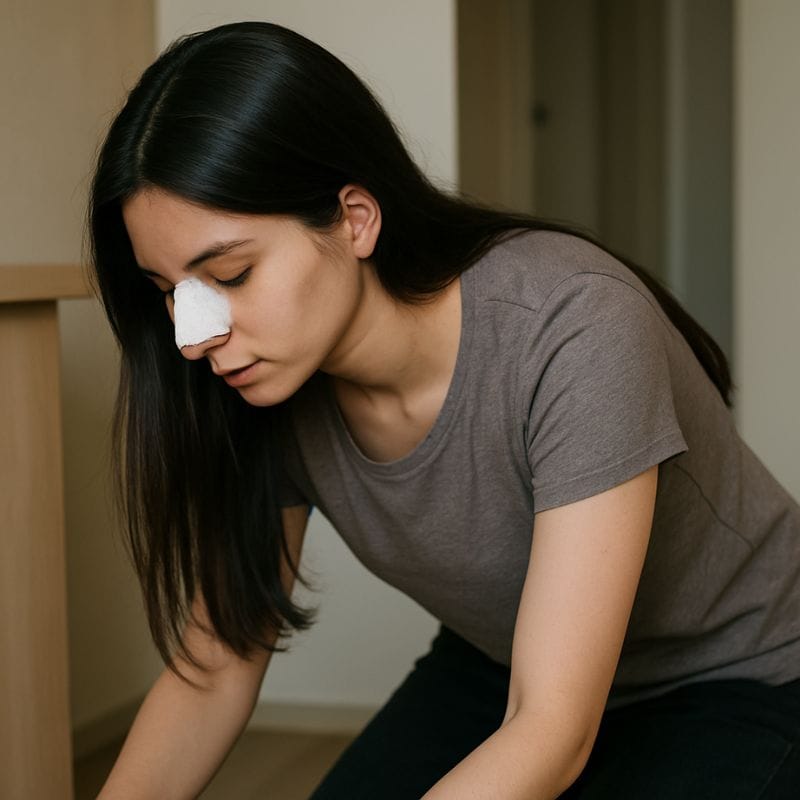
After rhinoplasty, patients may begin bending their head down gently after approximately 1–2 weeks.
To support safe recovery and an optimal aesthetic result, patients should follow the doctor’s instructions and limit strenuous activity until the nose has recovered sufficiently.
More information about the healing timeline is available in How Long Does Rhinoplasty Take to Heal?.
Bending the head down too early after rhinoplasty may increase pressure around the nose and cause the blood vessels to dilate.
This may increase the risk of:
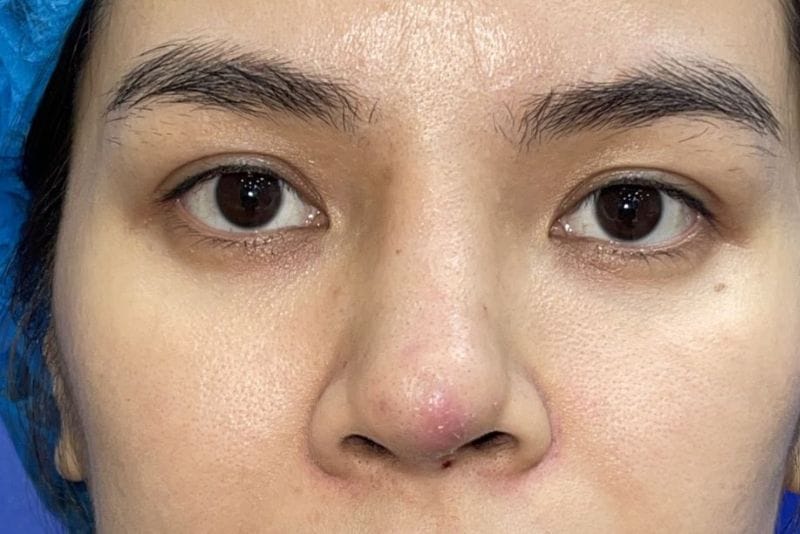
Nasal fluid accumulation may occur after surgery.
The nasal shape and implanted cartilage are also not fully stable during early recovery. Frequently bending down may place pressure on the nose and potentially affect the position of the nasal support or the healing process.
Therefore, during the first postoperative days, especially the first 5–7 days, patients should limit bending down as much as possible to support safe healing and maintain the intended nasal shape.
Patients can review further postoperative precautions in Rhinoplasty Aftercare Instructions.
The following precautions may help patients bend down more safely after rhinoplasty while supporting nasal stability and reducing unnecessary risks:
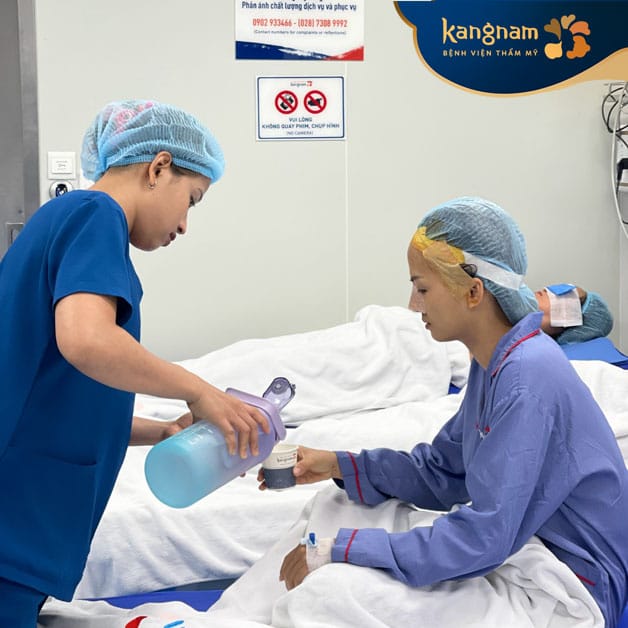
Appropriate postoperative care supports stable nasal recovery.
If bending down is followed by increasing pain, bleeding, or a noticeable change in the nasal shape, patients should contact their doctor promptly for assessment.
After rhinoplasty, patients should generally avoid facial massage and sauna use for at least the first 3–4 weeks.
Facial massage may place mechanical pressure on the nose, potentially affecting the cartilage position or the process of nasal shaping.
Hot steam may cause blood vessels to dilate and may contribute to:
To support safe healing and maintain the aesthetic result, patients should choose gentle forms of relaxation and avoid direct pressure or heat around the face during early recovery.
Further information about activities to avoid is available in What Should You Avoid After Rhinoplasty?.
Knowing when it is safe to bend the head down is an important part of postoperative rhinoplasty care.
Small adjustments to daily activities may help support recovery and maintain the long-term aesthetic result.
How Long Does Rhinoplasty Take to Heal?