Claire Nguyen, 37, from Melbourne, Australia asks: What items and medications will I be taking home for my post-treatment care?
Doctor’s Answer:
A cosmetic surgery postoperative care kit may include pain relievers, antibiotics when indicated, wound cleansing solutions, sterile gauze, medical tape, compression garments or support belts, and post-op care instructions. Based on the surgical procedure and your recovery status, the doctor will provide appropriate preparation guidelines.
Post-op Medications: May include pain relievers, anti-inflammatory drugs, antibiotics, or other supportive medications as prescribed by your doctor.
Wound Care Supplies: Sterile gauze, medical tape, suitable cleansing solutions, and necessary supplies as instructed.
Recovery Support Garments/Devices: Compression garments, waist trainers, support belts, or splints depending on the surgical area.
Handover Documents: Prescriptions, care instructions, follow-up schedules, information on abnormal signs, and contact methods for the treatment facility.
International Patients: Need to prepare sufficient medication and supplies for travel duration, while also checking customs/immigration regulations regarding carrying medication.
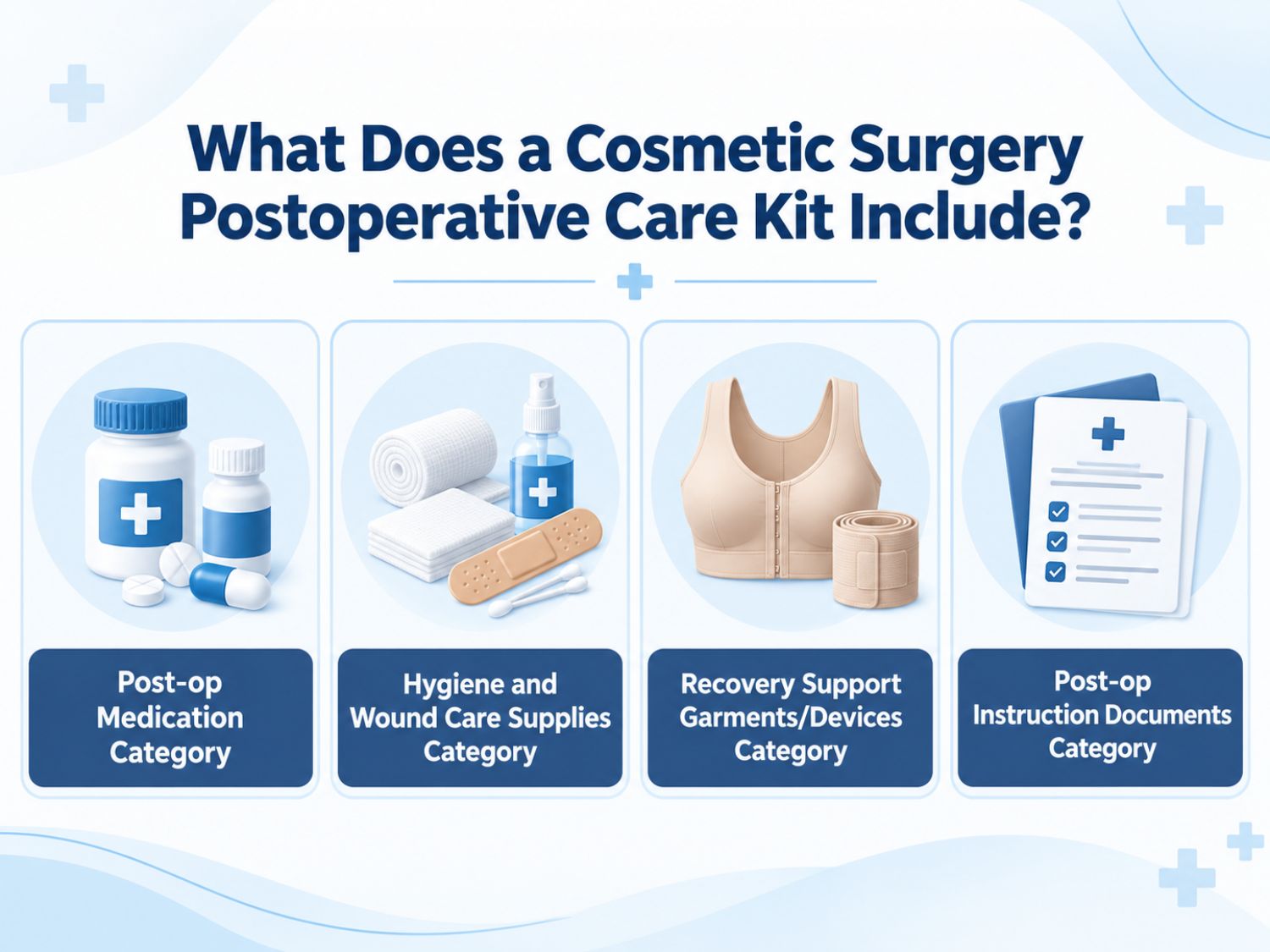
1. What Does a Cosmetic Surgery Postoperative Care Kit Include?
A cosmetic surgery postoperative care kit is typically divided into four categories: post-op medications, wound care supplies, recovery support garments/devices, and instruction documents. Depending on the procedure performed, the doctor will select the necessary products rather than applying an identical kit to all patients.
Post-op Medication Category
Medications are prescribed based on health status, pain levels, and the type of surgery. Several groups that may be used include:
- Pain relievers to control pain, tightness, or discomfort after surgery.
- Anti-inflammatory drugs or medications that help reduce edema when prescribed by the doctor.
- Antibiotics in cases where there is an indication for infection prevention or treatment.
- Topical ointments or skin/scar care products at the appropriate stage.
Not every patient needs to use all of the medication groups listed above. In particular, antibiotics are not mandatory after every cosmetic surgery procedure. Patients must take the correct dosage, adhere to the specified duration, and refrain from purchasing additional medications or substituting drugs on their own.
Hygiene and Wound Care Supplies Category
Depending on the surgical closure method and post-op guidelines, this category may include:
- Sterile gauze to cover the wound when necessary.
- Medical tape or fixation bandages.
- Wound cleansing solutions recommended by the doctor.
- Cotton swabs, gauze, or disposable supplies for care procedures.
- Disposal bags for used supplies and other necessary auxiliary tools.
Recovery Support Garments/Devices Category
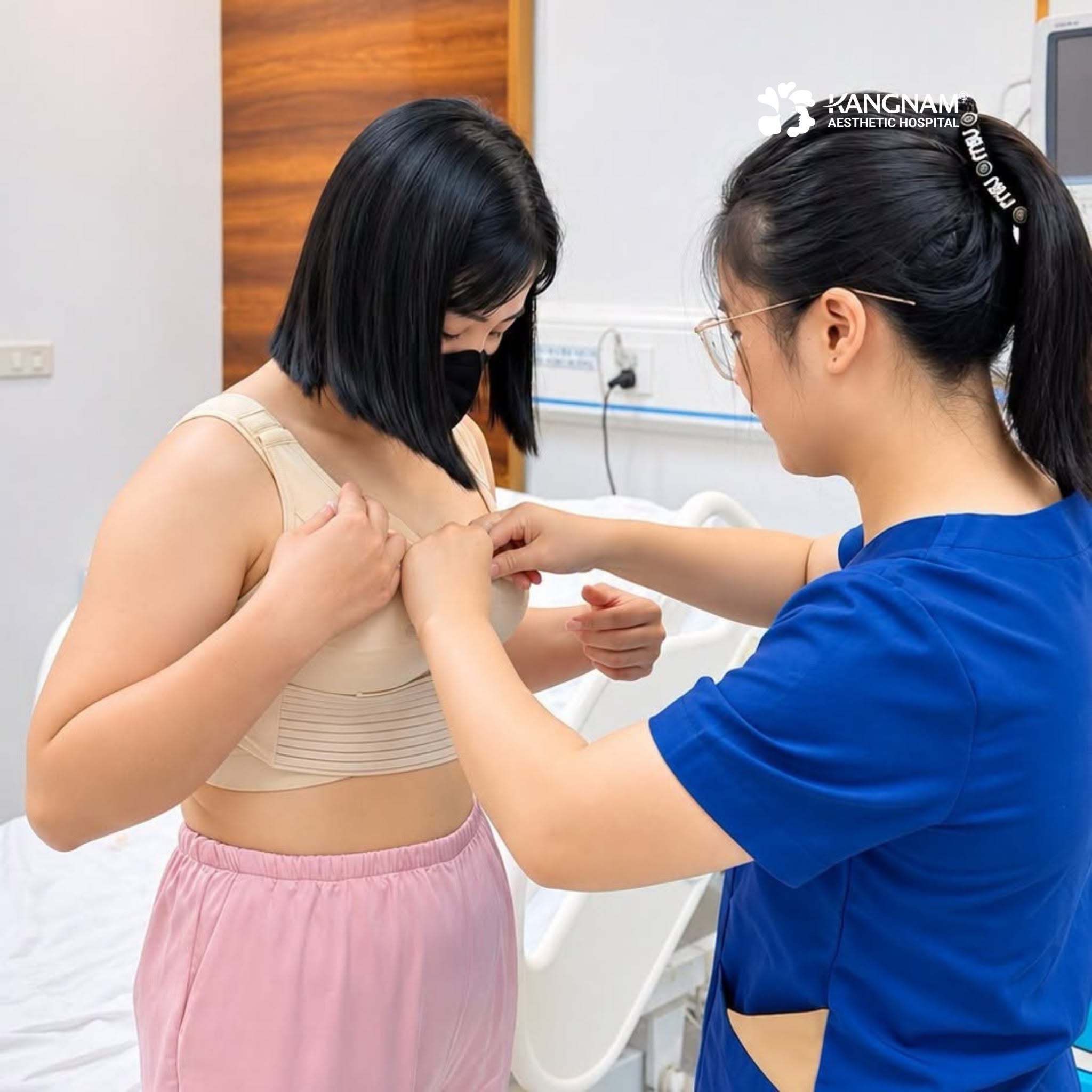
This group consists of products that help stabilize, support, or apply appropriate pressure to the surgical area. Depending on the service, patients may be instructed to use compression garments, waist trainers, support belts, splints, or other specialized devices.
Post-op Instruction Documents Category
Handover documentation helps patients understand how to take medications, care for the surgical incision, move, and monitor their recovery progress. For long-distance or international patients returning home after treatment, this information package is especially crucial.
2. What Medications Need to Be Taken Home After Cosmetic Surgery?
After cosmetic surgery, patients are prescribed pain relievers, antibiotics when indicated, anti-edema medications, and other supportive drugs depending on the specific procedure.
- Pain Relievers: Post-surgery, feelings of pain, tightness, or discomfort may arise in the treated area. The doctor will select an appropriate pain reliever (such as Paracetamol) and provide instructions on dosage, time intervals between doses, and duration of use. Patients must take care not to arbitrarily increase the dosage when feeling increased pain.
- Antibiotics: Antibiotics are used only when indicated. Improper use of antibiotics can cause side effects and contribute to antibiotic resistance. If prescribed, patients must strictly adhere to the guidelines regarding dosage and duration.
- Anti-inflammatory Drugs and Other Supportive Medications: In some cases, anti-inflammatory drugs or medications to control symptoms may be prescribed. The choice depends on the type of surgery, underlying medical conditions, allergy history, and medications the patient is currently taking. Patients should inform their doctor if they are taking anticoagulants, chronic disease medications, dietary supplements, or have a history of drug allergies.
- Topical Ointments and Scar Care Products: The timing to start using these depends on wound healing progress and physician instructions. For example, silicone products for scar management are generally considered only after the wound surface has fully closed. Do not apply scar creams, cosmetics, or products of unknown composition onto open surgical incisions.

3. What Hygiene and Dressing Change Supplies Are Needed After Surgery?
Hygiene and dressing change supplies after surgery typically include cleansing solutions, antiseptic solutions, sterile gauze, medical tape, and auxiliary tools for incision care. Proper preparation allows patients to clean the surgical site correctly, absorb exudate, and protect the wound during recovery.
Supplies to prepare include:
- 0.9% Normal Saline: Used to clean the skin or wound according to doctor instructions, helping to remove discharge and debris.
- Antiseptic Solution: Use a type suitable for the surgical location and incision state when indicated; do not arbitrarily replace it with alcohol or hydrogen peroxide.
- Sterile Gauze: Used to cover the surgical incision, absorb exudate, and limit dirt contact with the surgical area. Fresh gauze should be used for each dressing change.
- Roller Bandages and Medical Adhesive Tape: Help fix the gauze in place, limit displacement during movement, and protect the wound area.
- Disposable Medical Gloves: Used during cleaning and dressing changes to minimize direct contact with exudate and lower infection risk.
- Medical Scissors and Waste Bags: Scissors assist in cutting gauze and tape to required sizes; waste bags are used to collect discarded supplies.
- Specialized Dressings and Securing Materials: Certain cases require additional protective wound patches, waterproof dressings, or stabilizing splints depending on the location and surgical technique.

According to the American College of Surgeons (ACS), patients must follow their doctor’s instructions regarding when to remove dressings, clean, and care for the surgical incision. The ACS also recommends against self-administering antiseptics like hydrogen peroxide, alcohol, or iodine on wounds without proper medical indication (ACS – Surgical Wound Care).
4. What Documents and Post-op Instructions Need to Be Handed Over to International Patients?
After cosmetic surgery in Vietnam, international patients must be provided with complete medical records, prescriptions, test results, and post-op care instructions in an easily understandable language. This information enables patients to self-care upon returning home, track their recovery process, and supply essential data if they require further medical evaluation abroad.
Documents and paperwork to be handed over include:
- Surgical Record: Clearly stating the type of surgery, method performed, surgery date, targeted areas, and key details during treatment.
- Prescription and Usage Instructions: Listing medication names, dosage strength, dosing instructions, administration times, duration of use, and notable side effects.
- Test and Examination Results: Including relevant pre- and post-operative results, diagnostic imaging, or necessary check-up data for health monitoring.
- Implant Material Information (if applicable): Providing product name, brand, product line, size, lot/serial number, or warranty card for breast implants and other implantable materials.
- Follow-Up Schedule: Specifying dates for incision checkups, suture removal, splint removal, or surgical result evaluation. If the patient has returned home, a suitable remote monitoring plan must be established.
Post-op Guidelines for International Patients:
- Incision Care Instructions: Providing step-by-step procedures for hygiene, dressing changes, and the use of required home medications and supplies.
- Daily Living Guidelines: Details on sleeping positions, movement, diet, rest periods, and activities to restrict during recovery.
- Compression Garment / Support Device Instructions: Outlining how to wear them, duration of use, and signs requiring adjustments per doctor’s orders.
- Instructions for Identifying Abnormal Signs: Explaining symptoms to watch for—such as fever, worsening pain, unusual redness/swelling, discharge, bleeding, or shortness of breath—along with emergency response steps and medical contacts.
- Air Travel Guidelines: The doctor must evaluate the suitable timeframe for flying home based on the surgery type, recovery status, and complication risks. Patients should not determine flight dates based solely on length of stay.
- Post-Return Contact Information: Providing phone numbers, emails, or communication channels with the surgical facility so patients can reach out for questions or support after returning home.
6. Frequently Asked Questions About Cosmetic Surgery Postoperative Care Kits
Can patients take medication home after cosmetic surgery?
Yes. Patients are typically handed prescribed medications to continue using during the post-op recovery phase. The type and quantity of medication depend on the surgical procedure, health condition, and physician instructions. When bringing medication abroad, keep them in original packaging with prescriptions, and check entry regulations of the destination country.
Does the post-op care kit include antibiotics?
Not in all cases. Doctors prescribe antibiotics only when indicated for the specific surgery type and individual condition. Patients should not self-purchase antibiotics for preventive use or consume leftover medications.
Is it necessary to change wound dressings at home by oneself?
Not every case after cosmetic surgery requires self-dressing changes at home. Dressing changes depend on the procedure type, incision location, drainage status, and doctor instructions. Some wounds require direct care by medical staff, while other cases can be changed at home after receiving specific guidance.
Best time of year to travel to Vietnam for surgery (weather, holidays)?
How do I book a consultation from abroad — online consult before flying?
Can I fly right after liposuction / breast augmentation?