Date posted: 21-07-2026 | Last updated : 28-07-2026
Cartilage-wrapped rhinoplasty is a popular choice among overseas Vietnamese patients seeking a safe, durable, and aesthetically pleasing improvement to their nasal shape. This method combines a synthetic implant to shape the nasal bridge with autologous cartilage to cover the nasal tip, helping minimize redness, implant visibility, and maintain a natural appearance for many years.
Cartilage-wrapped rhinoplasty is a method that combines a synthetic implant, also known as a biocompatible implant, to raise and shape the nasal bridge with autologous cartilage harvested from the ear or rib to cover the nasal tip. This technique creates a high and refined nasal shape with a soft, natural-looking tip. It also helps minimize complications such as redness, implant visibility, and nasal tip perforation, providing long-lasting aesthetic results.
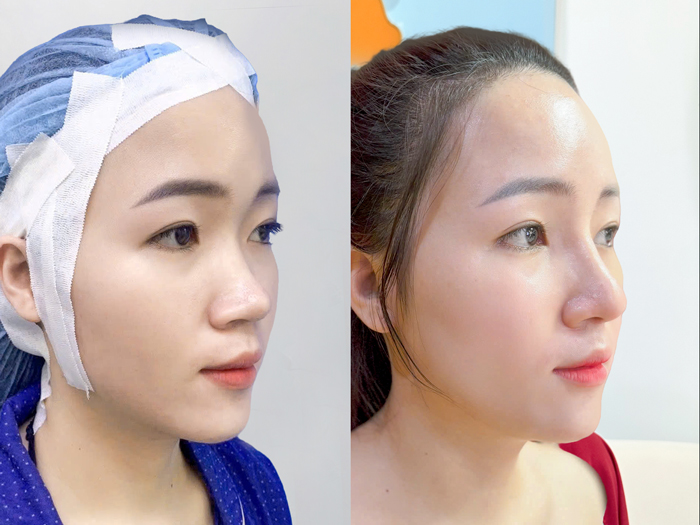
Cartilage-wrapped rhinoplasty is suitable for noses with multiple imperfections.
Candidates for cartilage-wrapped rhinoplasty include:
Cartilage-wrapped rhinoplasty offers several outstanding advantages, including creating a high, soft, and natural-looking nose safely while minimizing complications; effectively correcting redness, implant visibility, and nasal bridge collapse; maintaining stable results over the long term; and requiring minimal intervention with a fast recovery time. It is suitable for overseas Vietnamese patients who want to undergo cosmetic surgery but have limited time to stay in Vietnam.
The specific advantages of cartilage-wrapped rhinoplasty include:

Cartilage-wrapped rhinoplasty creates a natural-looking nasal shape.
The breast augmentation procedure at Kangnam Aesthetic Hospital for overseas Vietnamese patients is specially designed to ensure safety and efficiency.
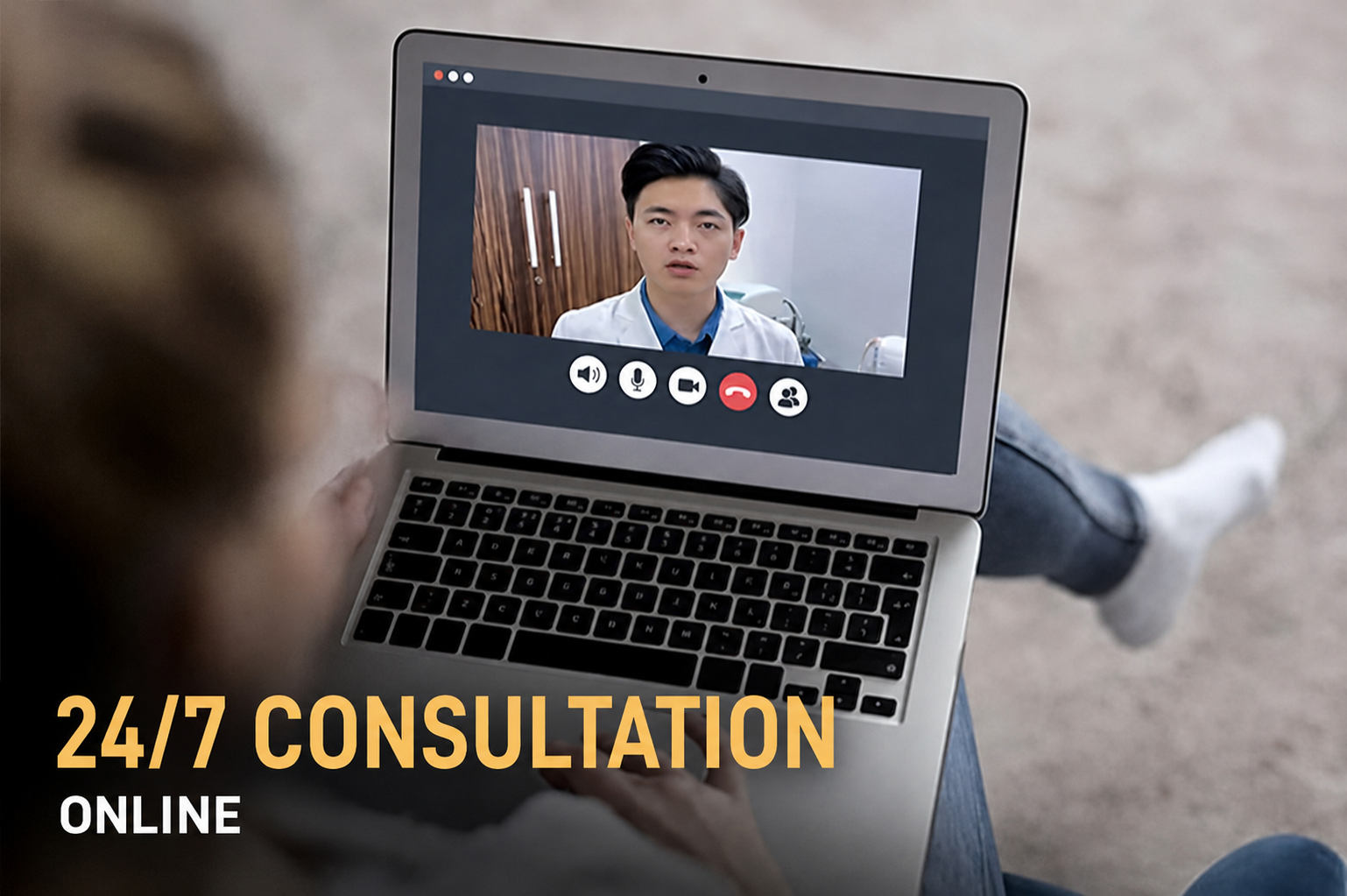
Before returning to Vietnam, overseas Vietnamese patients can connect with a surgeon online to discuss their expectations, ideal breast shape, and current condition. Upon arriving at the hospital, the surgeon will conduct an in-person examination, assess the breast structure, and recommend a suitable surgical approach.
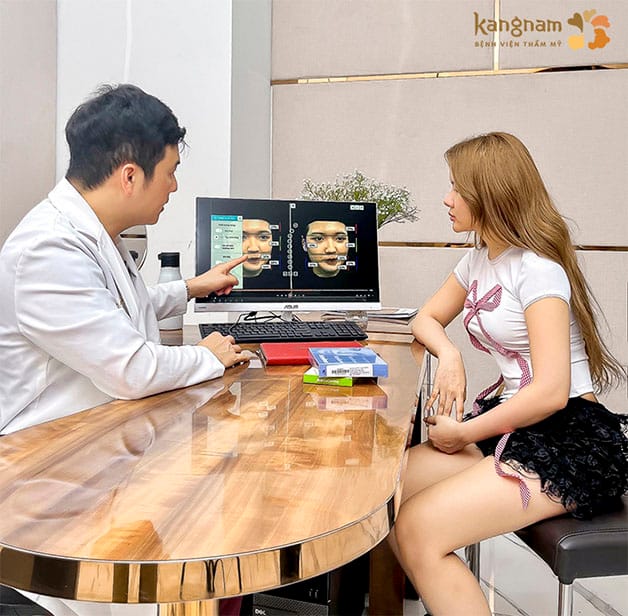
Detailed nasal shape consultation using 3D technology.
Kangnam performs all necessary tests and diagnostic assessments, including blood tests, urine tests, blood pressure checks, and cardiovascular evaluations, to ensure that the patient is medically eligible for the procedure. The process is carried out efficiently to help overseas Vietnamese patients save time during their stay.
The surgeon performs measurements, calculates precise proportions, and uses 3D simulation technology to allow the patient to preview the expected result. All measurements are carefully agreed upon to ensure that the postoperative breast shape is proportional to the patient’s body and meets their expectations.
The patient receives light general anesthesia to remain completely comfortable throughout the procedure. The surgeon uses endoscopic equipment for precise tissue dissection, minimizing damage, and inserts the breast implants using a Keller Funnel to reduce the risk of infection and shorten the recovery period.
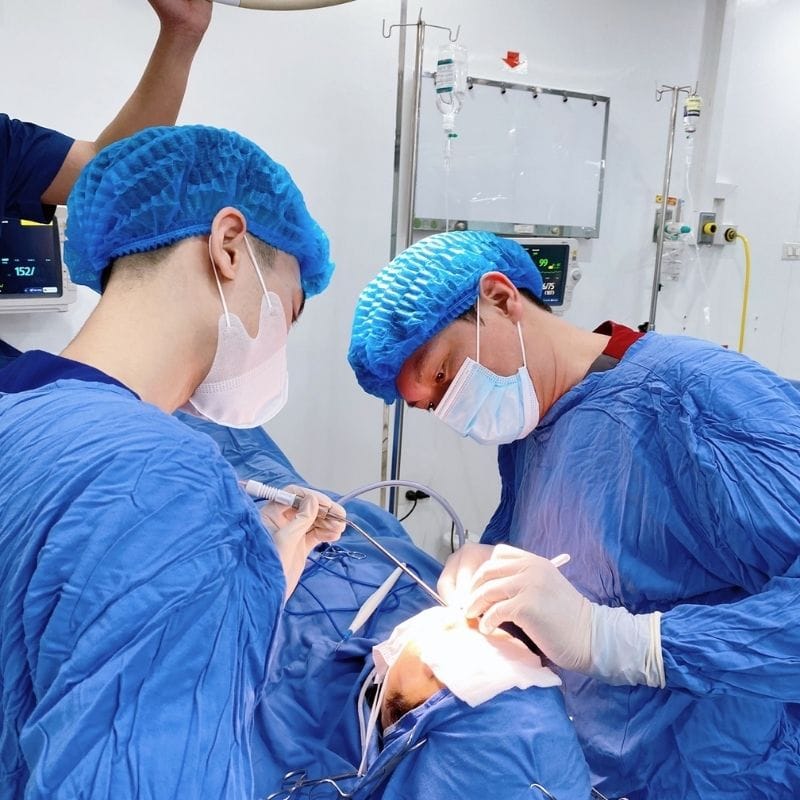
The rhinoplasty procedure is gentle and minimally invasive.
Overseas Vietnamese patients are accommodated in private recovery rooms with amenities comparable to those of a luxury hotel. A nursing team is available 24/7, along with personalized support services. The average hospital stay is three days and two nights, allowing the patient’s recovery to be closely monitored.
Before discharge, patients receive detailed instructions on home care. Follow-up appointments are arranged flexibly to suit the patient’s time in Vietnam. Kangnam also provides remote follow-up support after patients return abroad, helping maintain stable long-term results.
What Is Nasal Cartilage? Distinguishing the Common Types of Rhinoplasty Cartilage and Implants Available Today
Before returning to Vietnam for rhinoplasty, overseas Vietnamese patients generally do not need to prepare extensively. The most important thing is to maintain stable health and a relaxed state of mind before the flight. At Kangnam Aesthetic Hospital, patients receive comprehensive support, including online consultations, surgical appointment scheduling, and round-trip transportation between the airport and the hospital.
Before rhinoplasty, patients undergo a general health examination, select a suitable nasal shape, and undergo surgery according to a safe medical process. Kangnam’s team provides support throughout the entire postoperative care process, helping patients avoid an extended recovery period. Patients only need to bring their personal belongings and arrive with a prepared mindset; Kangnam will take care of everything else.
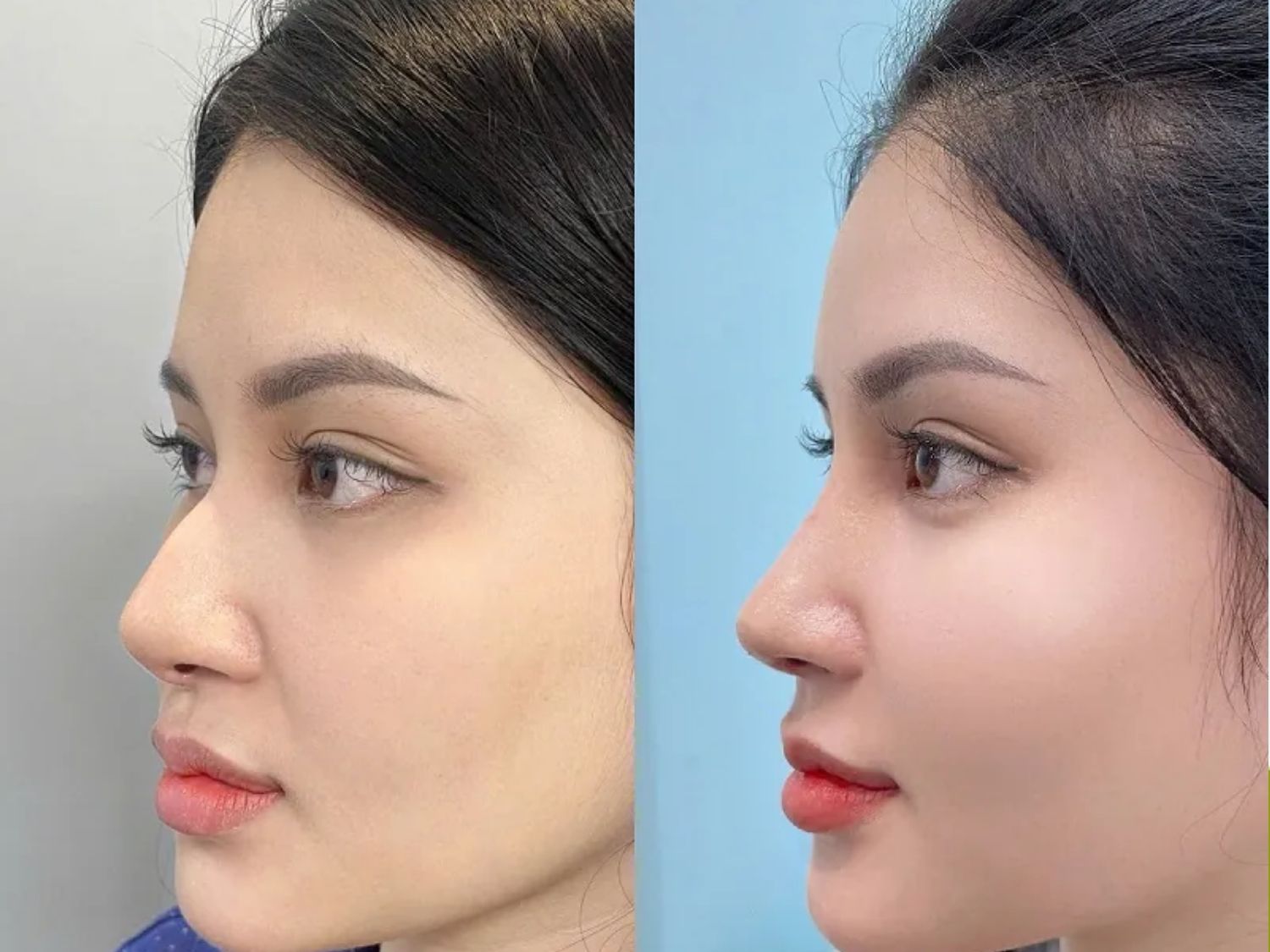
The nose recovers quickly after surgery, helping patients save time.
Contact Kangnam Aesthetic Hospital today for detailed advice about cartilage-wrapped rhinoplasty, to schedule an examination, and to experience safe, professional, and convenient services designed for overseas Vietnamese patients returning to Vietnam.