Date posted: 17-11-2026 | Last updated : 18-11-2026
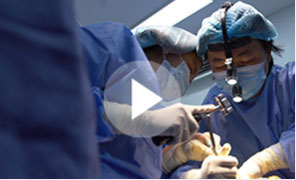
Kangnam Aesthetic Hospital has documented experience offering Asian double eyelid surgery in Vietnam, with specialized eyelid procedures, trained aesthetic surgeons, and techniques designed around Asian facial anatomy. The hospital offers Korean multi-point eyelid suturing, Plasma Blepharoplasty, 6D Blepharoplasty, and Perfect Eyes surgery to address different eyelid structures.
Kangnam’s Experience: The hospital features around 15 years of institutional experience, offering specialized techniques such as multi-point suturing, Plasma Blepharoplasty, 6D, and Perfect Eyes.
Anatomical Customization: Natural-looking results depend on evaluating skin thickness, fat distribution, muscle function, and facial proportions rather than using a universal template.
Recovery Timeline: Initial swelling typically subsides within 1–2 weeks, while the new crease continues to soften and settle over several months.
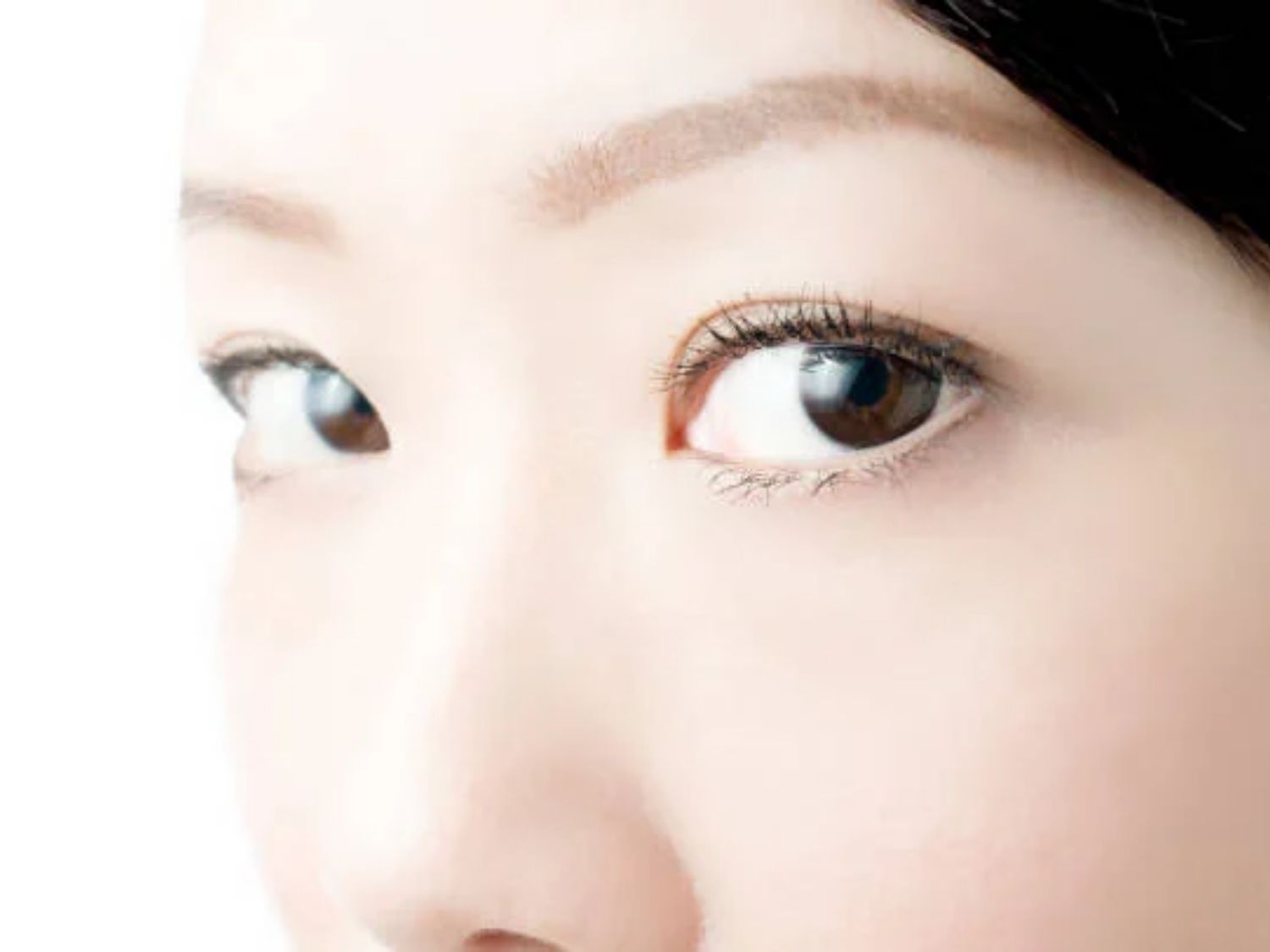
Asian double eyelid surgery is a procedure that creates or enhances the natural fold of the upper eyelid while respecting the individual’s eyelid anatomy. Unlike conventional upper blepharoplasty, which often focuses on removing age-related excess skin, Asian double eyelid surgery frequently aims to create a defined crease where one is absent or barely visible.
Asian eyelids also vary considerably in skin thickness, fat distribution, eyelid height, and the shape of the inner eye corner. These anatomical characteristics influence how a crease forms and how naturally it moves when the eyes open or close.
A surgeon must therefore consider several factors:
A 2025 study published in Plastic and Reconstructive Surgery, titled A Conservative Crease-Height–Adjustable Asian Double-Eyelid Surgery Technique Based on Live Anatomical Studies, examined anatomical considerations affecting crease placement. The authors highlighted how inaccurate assumptions about eyelid structures may contribute to excessively high creases and discussed a more conservative, anatomy-based approach to crease creation (Yu et al., 2025).
Kangnam has an established portfolio of Asian eyelid aesthetic procedures and publishes information about its surgical team, techniques, and consultation process. Its website describes approximately 15 years of institutional experience in aesthetic surgery, including eyelid correction, ptosis treatment, and revision procedures.
These are hospital-reported credentials and services rather than independently audited success rates.
Kangnam provides multiple techniques for patients seeking double eyelid creation or upper eyelid reshaping.
Its published services include Korean multi-point suturing, Korean Plasma Blepharoplasty, 6D Blepharoplasty, and Perfect Eyes surgery.
Offering several methods is relevant because patients with thin upper eyelids, thick fatty tissue, or age-related skin laxity may require different surgical approaches.
Kangnam publishes profiles of surgeons involved in facial aesthetic procedures.
One example is Dr. Henry Nguyen, whose published qualifications include Specialist Level I training in General Surgery at Hanoi Medical University, training in plastic and reconstructive surgery, and membership in the Vietnamese Society of Aesthetic Plastic Surgery (VSAPS).
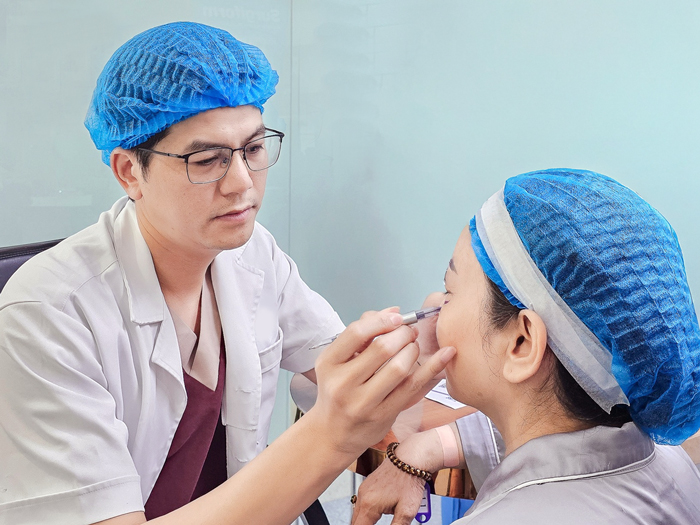
Kangnam also identifies him among its doctors associated with eyelid aesthetic services.
These qualifications provide useful background when evaluating the hospital. However, prospective patients should still confirm which surgeon will perform their procedure, the surgeon’s current professional license and authorized scope of practice, and their experience with the specific technique being considered.
Kangnam states that its approach to eyelid design considers the relationship between the eyes, eyebrows, facial proportions, and eyelid movement.
This is especially relevant for patients who are concerned about eyelid creases that look too high, too deep, or unusually rigid.
A natural result is not determined simply by making both creases the same measured height. Each side must be assessed according to its skin, muscle function, and existing asymmetry.
Experience should ultimately be evaluated at the individual surgeon level. Hospital longevity, professional qualifications, and available techniques are useful indicators, but they cannot replace patient-specific results, appropriate clinical judgment, or transparent discussions of complications.
Kangnam offers both non-incisional and incisional eyelid procedures, allowing the surgical plan to be adapted to the amount of skin, fat, and tissue correction required. Each approach has different advantages, limitations, and recovery considerations.
| Technique | Suitable eyelid condition | Main advantages | Main limitations |
| Korean Multi-Point Suturing | Thin eyelids, good skin elasticity, little excess skin | No long skin incision; usually less initial swelling | Crease can loosen; cannot correct significant excess skin |
| Korean Plasma Blepharoplasty | Eyelids requiring skin or fat adjustment | Allows direct correction with plasma-assisted tissue management | Requires an incision; swelling and scars remain possible |
| 6D Blepharoplasty | Patients needing individualized upper eyelid crease correction | Uses Kangnam’s described Plasma Plus and fine-suturing approach | Benefits depend on anatomy and technique; no guaranteed faster recovery |
| Perfect Eyes Blepharoplasty | Patients requiring more detailed eyelid contour planning | Kangnam describes proportion-based design and 3D planning support | Higher treatment complexity does not automatically mean better results |
The distinctions between Kangnam’s branded techniques reflect its published service descriptions. The precise surgical steps must be confirmed with the treating surgeon.
Natural-looking Asian double eyelids require a crease height, shape, and depth that match the individual’s eyelid structures and move appropriately when the eyes open and close. Kangnam describes a personalized planning approach based on facial measurements and eyelid characteristics.

The best candidates are healthy adults who want a clearer upper eyelid crease and have realistic expectations about the achievable result. Suitability depends primarily on eyelid anatomy, existing eye conditions, and whether surgery can safely address the concern.
Common situations include:
Certain concerns require more than crease creation.
Patients with true eyelid ptosis may have weakened eyelid-lifting muscles that need separate correction. Likewise, drooping eyebrows can make the upper eyelids appear heavier even when the eyelid tissues themselves are relatively normal.
Pre-existing dry eyes, incomplete eyelid closure, significant eye disease, or medical conditions affecting wound healing may require further assessment or treatment before elective surgery.
A responsible surgical recommendation should address the cause of the problem rather than simply the visible eyelid shape.
Double eyelid surgery at Kangnam involves consultation, anatomical assessment, personalized crease planning, the selected procedure, and postoperative follow-up. The exact surgical steps vary according to whether the patient undergoes a suture-based or incisional technique.
The usual process includes:
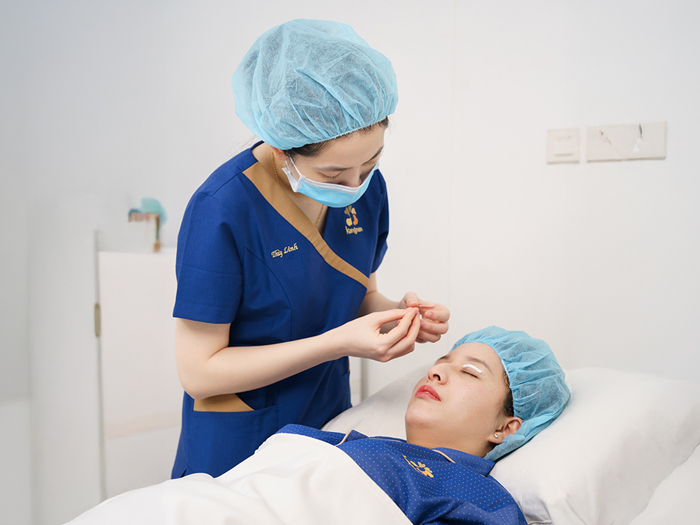
Kangnam also advertises one-on-one online consultations for international patients, allowing preliminary discussions before travel.
However, photographs and video consultations cannot fully replace an in-person examination, particularly when evaluating eyelid muscle weakness or dry-eye symptoms.
Initial recovery typically takes about 1–2 weeks, although the new eyelid crease may continue to soften and settle for several months. Non-incisional procedures often involve less early swelling, while incisional techniques may require more time for tissue healing.
| Recovery period | Expected changes |
| First 48 hours | Swelling, tightness, and mild bruising may develop |
| Days 3–7 | Early swelling often begins to improve; incision care remains important |
| Days 7–14 | Many patients can return to routine non-strenuous activities |
| Weeks 3–4 | The crease becomes easier to assess as swelling continues to decrease |
| Months 2–3 | Residual swelling settles and the crease often appears more natural |
| Following months | Scar maturation and subtle contour changes may continue |
Recovery estimates vary according to surgical technique and individual healing. A crease that looks unusually high during the first several days may be partly affected by swelling, so early appearance should not be considered the final result.
Asian double eyelid surgery is generally safe for appropriately selected patients when performed by qualified surgeons in licensed medical facilities, but complications remain possible. Even a relatively small eyelid procedure involves delicate structures responsible for eye protection and normal eyelid movement.
Potential complications include:

Sudden visual changes, severe eye pain, rapidly increasing swelling, or significant bleeding require emergency medical assessment.
For patients considering Asian double eyelid surgery in Vietnam, Kangnam Aesthetic Hospital offers consultations covering Korean multi-point suturing, Plasma Blepharoplasty, 6D, and Perfect Eyes techniques. Its published surgeon profiles, individualized eyelid planning, and international consultation services provide a useful starting point for discussing a natural-looking result that respects Asian facial features. Patients can request a personalized assessment, review the surgeon’s qualifications, and obtain a detailed treatment plan before deciding on surgery.
Yes, unilateral double eyelid surgery may be considered when one eye has a natural crease and the other does not. The surgeon must assess both eyes because differences in eyelid muscle strength or eyebrow position can affect symmetry, even when only one eyelid requires treatment.
Not necessarily, because double eyelid surgery can be designed to preserve your natural facial identity. A conservative crease height and an appropriate tapered or parallel shape can improve eyelid definition without attempting to change the overall ethnic appearance of the eyes.
Double eyelid surgery alone does not reliably correct true ptosis caused by weak eyelid-lifting muscles. Patients with this condition may require levator muscle adjustment, either separately or together with eyelid crease creation, depending on the clinical examination.
Contact lenses should be avoided during the early healing period until the treating surgeon confirms that they can be worn safely. Inserting or removing lenses can stretch healing eyelid tissues, and temporary dryness or irritation may make contact lens use uncomfortable.
Prepare clear photographs of your eyes looking straight ahead, gently closed, and looking downward, along with a description of your desired eyelid shape. You should also disclose previous eyelid procedures, dry-eye symptoms, relevant medical conditions, and current medications so the surgeon can assess your concerns more accurately.