Date posted: 17-11-2026 | Last updated : 18-11-2026
Eye rejuvenation without surgery in Vietnam includes Botox injections, hyaluronic acid fillers, Thermage FLX, laser treatments, and skin boosters to improve wrinkles, dark circles, hollow under-eyes, and mild skin laxity. These treatments can create a fresher, more youthful appearance without surgical incisions, although their effectiveness depends on the underlying cause of aging.
Botox: Best for crow’s feet and expression-related wrinkles, with results typically lasting 3–4 months.
Under-eye fillers: Restore lost volume and soften shadows caused by tear-trough hollows.
Thermage FLX: Uses radiofrequency energy to improve mild skin laxity through gradual collagen remodeling.
Laser treatments: May improve pigmentation-related dark circles and selected fine wrinkles.
Mesotherapy and skin boosters: Target hydration and skin quality but cannot replace lost structural volume or remove prominent eye bags.
The main non-surgical eye rejuvenation treatments in Vietnam include Botox, dermal fillers, radiofrequency skin tightening, laser therapy, and skin boosters. Each method targets a different aging mechanism, so the most effective approach depends on whether the concern involves muscle movement, volume loss, pigmentation, or loose skin.
| Treatment | Best for | How it works | Main limitation |
| Botox injections | Crow’s feet, expression wrinkles | Temporarily relaxes targeted muscles | Does not remove excess skin |
| Hyaluronic acid fillers | Tear-trough hollows, volume-related shadows | Restores lost volume beneath the skin | Cannot correct prominent fat bags |
| Thermage FLX / RF | Mild skin laxity, fine wrinkles | Uses controlled heat to stimulate collagen remodeling | Limited effect on severe sagging |
| Laser treatments | Pigmentation, uneven skin tone, selected fine lines | Targets pigment or promotes skin renewal | Results depend on the cause of dark circles |
| Mesotherapy / skin boosters | Dryness, dullness, fine skin-texture changes | Delivers selected ingredients to improve skin quality | Limited evidence for some formulations |
| Medical-grade skincare | Mild pigmentation, dehydration, early fine lines | Supports skin hydration and surface renewal | Gradual results; cannot correct structural aging |
Although these treatments avoid surgical incisions, injections and certain skin procedures are still minimally invasive medical treatments rather than completely risk-free cosmetic services.
Botox is one of the most established non-surgical treatments for crow’s feet, particularly wrinkles that become visible when smiling or squinting. It temporarily relaxes the muscles responsible for repeated skin folding, allowing expression lines to appear softer.

Who Is Suitable for Botox Around the Eyes?
Initial effects commonly appear within 3–7 days, with fuller results developing over approximately 10–14 days. The cosmetic effect typically lasts around 3–4 months, depending on the product, dose, and individual muscle activity.
Limitations: Botox cannot remove loose eyelid skin, eliminate protruding under-eye fat, or fill hollow tear troughs. Incorrect placement or excessive dosing may cause eyelid drooping, brow asymmetry, dry eyes, or an unnatural expression.
Kangnam provides Botox treatments for wrinkles around the eyes, with treatment planning based on the location of wrinkles and the surrounding facial muscles.
Hyaluronic acid fillers can improve hollow under-eyes and dark circles caused by volume loss, but they are not suitable for every type of under-eye discoloration. They work by restoring volume in carefully selected areas, reducing the shadows that make the eyes appear tired.

When Are Under-Eye Fillers Effective?
Results are often visible soon after treatment, although swelling may temporarily alter the appearance. Depending on the product and individual tissue response, improvement may persist for several months or longer.
Fillers are generally less suitable for patients with prominent lower eyelid fat bags, persistent under-eye swelling, significant skin laxity, or poor tissue support.
Adding volume to an already puffy area can worsen swelling or create an overfilled appearance.
Possible complications include bruising, persistent edema, visible lumps, bluish discoloration, and asymmetry. Rare vascular complications can cause tissue injury or permanent vision loss, making anatomical expertise and emergency preparedness essential.
At Kangnam, under-eye filler treatment is described as an individualized option for volume-related dark circles, with product selection and injection planning based on the patient’s anatomy.
Thermage FLX may improve mild skin laxity and fine wrinkles around the eyes by using radiofrequency energy to stimulate collagen remodeling. The improvement is usually gradual and more subtle than surgical eyelid lifting.
Radiofrequency technology delivers controlled heat into selected skin layers. This thermal stimulation encourages changes in collagen, which contributes to the skin’s firmness and elasticity.
As collagen remodeling develops, mildly loose skin may appear smoother and tighter.
Who May Benefit From Radiofrequency Eye Rejuvenation?

The visible response varies between individuals, and improvement may develop over several weeks to months.
Limitations: Thermage FLX cannot remove significant excess eyelid skin, correct true muscle-related ptosis, or eliminate large fat bags. It also cannot reliably reproduce the lifting achieved through blepharoplasty.
Kangnam lists Thermage FLX among its non-invasive facial rejuvenation technologies. However, treatment directly around the eyelids requires a device-specific applicator and appropriate eye protection; patients should confirm that the proposed treatment area is included in the available device protocol.
Laser treatments can improve selected dark circles caused by pigmentation and may reduce certain superficial wrinkles, but they cannot treat every cause of a tired-looking eye area. The choice of laser depends on skin color, pigment depth, vascular changes, and the condition of the surrounding tissues.
Dark circles are commonly divided into several types:
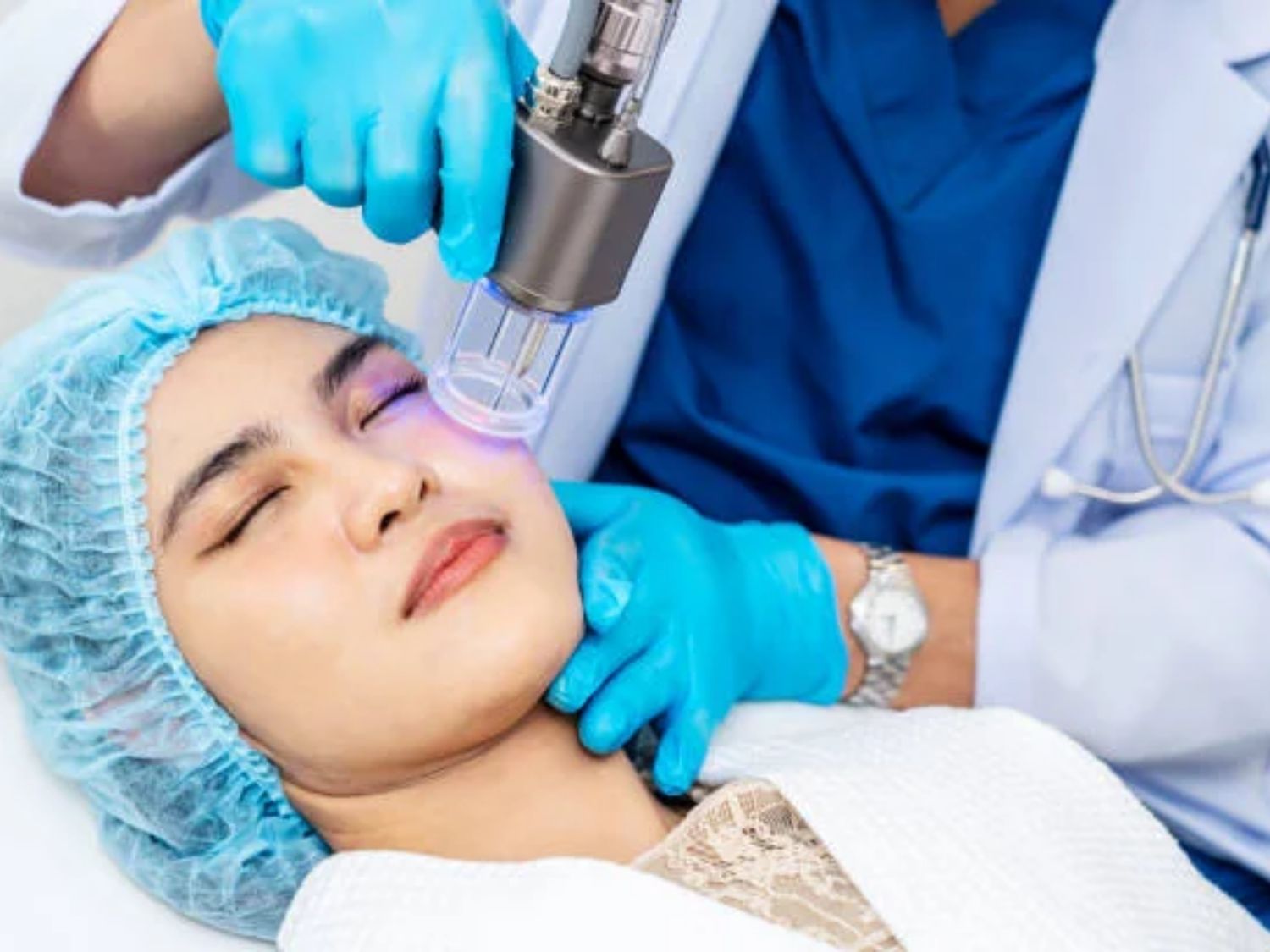
PicoSure uses extremely short laser pulses to target selected pigment particles. Depending on the device settings and treatment indication, laser energy may help improve uneven pigmentation while limiting unnecessary damage to surrounding tissue.
Kangnam offers PicoSure technology as part of its facial pigmentation and skin rejuvenation services.
Skin boosters and mesotherapy may improve under-eye hydration, fine texture, and selected signs of skin aging, but their results are generally more modest than structural volume correction. They are most relevant when the main concern is skin quality rather than significant hollowness or sagging.
Mesotherapy involves placing small quantities of selected substances into superficial skin layers. Depending on the product, these may include hyaluronic acid and other ingredients intended to improve hydration or skin appearance.
Doctors select non-surgical eye rejuvenation treatments by identifying whether the main concern originates from muscle movement, pigmentation, volume loss, or reduced skin elasticity. Treating the wrong cause often produces disappointing results, even when the procedure itself is performed correctly.
A proper assessment includes checking the eyelid position, skin thickness, eyebrow movement, tear-trough depth, fat distribution, and eye-surface health.
In clinical practice, treatment planning should follow these principles:

Surgical eyelid correction is generally more effective when aging involves substantial excess skin, prominent fat bags, or functional eyelid drooping. Non-surgical treatments can improve selected wrinkles, contours, and skin quality, but they cannot reliably correct major structural changes.
Surgery may be more appropriate in the following situations:
For patients whose primary concerns are early crow’s feet, mild skin laxity, pigmentation, or selected volume loss, non-surgical treatments may offer sufficient improvement without surgical recovery.
The decision should reflect the degree of correction needed rather than a general preference for either surgery or non-surgical procedures.
Kangnam Aesthetic Hospital offers a range of facial rejuvenation services, including Botox, dermal fillers, Thermage FLX, PicoSure, and injectable skin treatments, supported by its published dermatology and aesthetic care services. Patients can request a personalized consultation to assess wrinkles, dark circles, skin laxity, and under-eye hollows, determine which treatments are suitable for the delicate eye area, and receive an individualized plan focused on natural-looking results and medical safety.
Yes, non-surgical treatments can soften wrinkles, improve skin quality, and reduce shadows caused by selected under-eye hollows. The most natural results generally come from conservative treatment that preserves facial expressions and normal eye movement.
Botox usually lasts around 3–4 months, while hyaluronic acid filler may remain effective for several months or longer. Laser, radiofrequency, and skin booster results vary according to the treatment settings, individual response, and maintenance requirements.
Most treatments involve temporary discomfort rather than severe pain, although sensitivity varies between individuals. Depending on the procedure, the doctor may use topical anesthesia, cooling, or other measures to improve comfort.
Yes, combining treatments may be appropriate when wrinkles, hollowness, and pigmentation have different underlying causes. However, the doctor must determine the correct sequence and treatment intervals to avoid unnecessary swelling, irritation, or overlapping complications.