
Date posted: 22-07-2026 | Last updated : 29-07-2026
Metal-ceramic crowns offer high durability at a low cost. They were among the first types of dental crowns used in dentistry. Today, crowns with a metal framework and an outer porcelain coating remain a leading choice among patients at dental clinics. What are metal-ceramic crowns? Are they good and durable? Read the following article from Kangnam Aesthetic Hospital for detailed answers.
Metal-ceramic crowns, also known as porcelain-fused-to-metal crowns, are trusted by many patients and remain widely used at most dental clinics.
In Vietnam, metal-ceramic crowns are manufactured using five-dimensional CT technology according to modern standards. The outer Ceramco 3 porcelain layer provides a natural appearance, while the strong inner metal framework protects the tooth.
The crowns have a shape and color similar to natural teeth. Therefore, they can be used to restore teeth in various positions, including the front teeth.
Compared with other types of dental crowns, crowns with an outer porcelain coating and an inner metal framework are chosen by many patients because of their affordable cost and high durability.
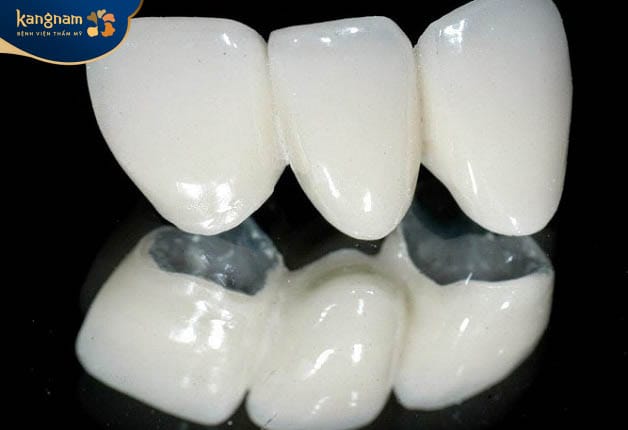
Metal-ceramic crown.
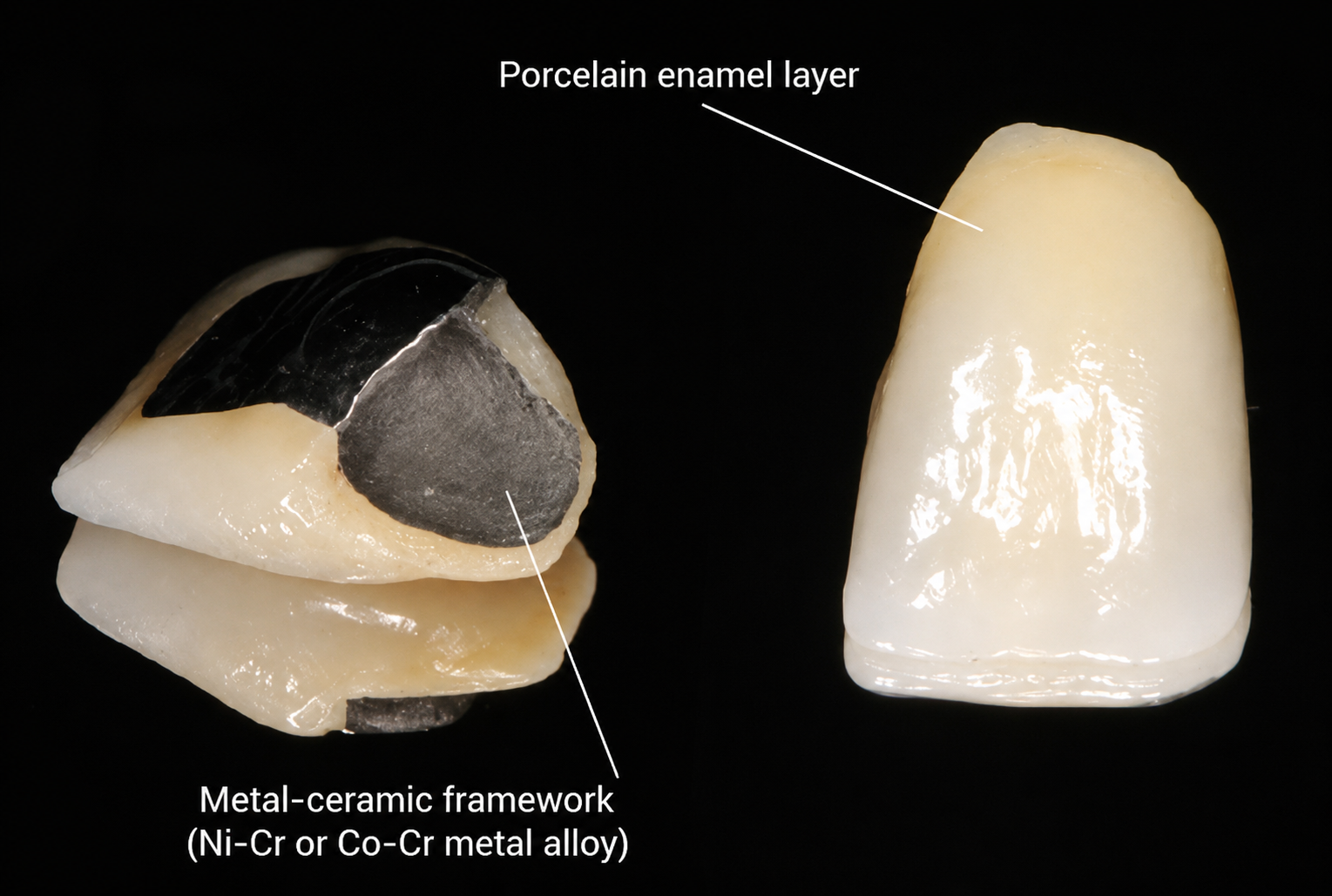
This type of dental crown consists of two main components: an inner metal layer and an outer porcelain coating.
The base metals used to manufacture dental crowns include nickel-chromium, silver-palladium, and gold-palladium alloys. These alloys offer high durability and good mechanical properties, creating a strong foundation for the crown.
Titanium is another metal material used to manufacture dental crowns. It is lighter than base metals and provides good durability, supporting comfortable eating, chewing, and jaw movement.
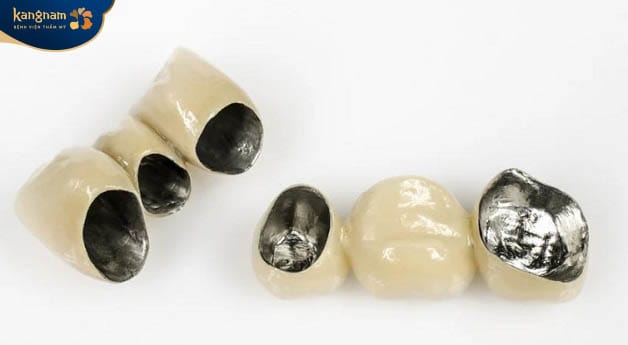
The metal layer inside the dental crown.
This is a strong, load-bearing porcelain layer applied over the metal framework to provide a foundation for the outermost porcelain layer.
The veneering porcelain is generally Ceramco 3, which is applied as a thin coating over the core porcelain to create the tooth shape and provide a natural white color similar to that of real teeth. As a result, the veneering porcelain gives the crown a highly aesthetic appearance and creates appropriate compatibility with the oral environment.
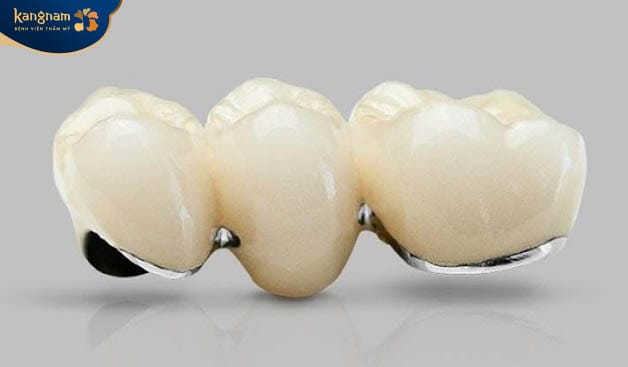
The outer porcelain layer of the tooth.
There are three commonly used types of metal-ceramic crowns on the market:
Conventional metal-ceramic crowns are a traditional type of dental crown. Their structure consists of low-cost base alloys such as nickel and chromium, covered with an outer porcelain layer. Conventional metal-ceramic crowns still provide high durability and a color similar to that of natural teeth, but they may cause darkening along the gum margin after a period of use.
Dentists generally recommend conventional metal-ceramic crowns for teeth that require durability and where aesthetics are not the primary concern.
Conventional metal-ceramic crowns.
Titan porcelain crowns have an inner metal framework made from titanium alloy. This alloy gives the crowns a bright white color similar to natural teeth, offers good compatibility with the body, and is resistant to oxidation. However, the gum margin may still become dark after several years of use.
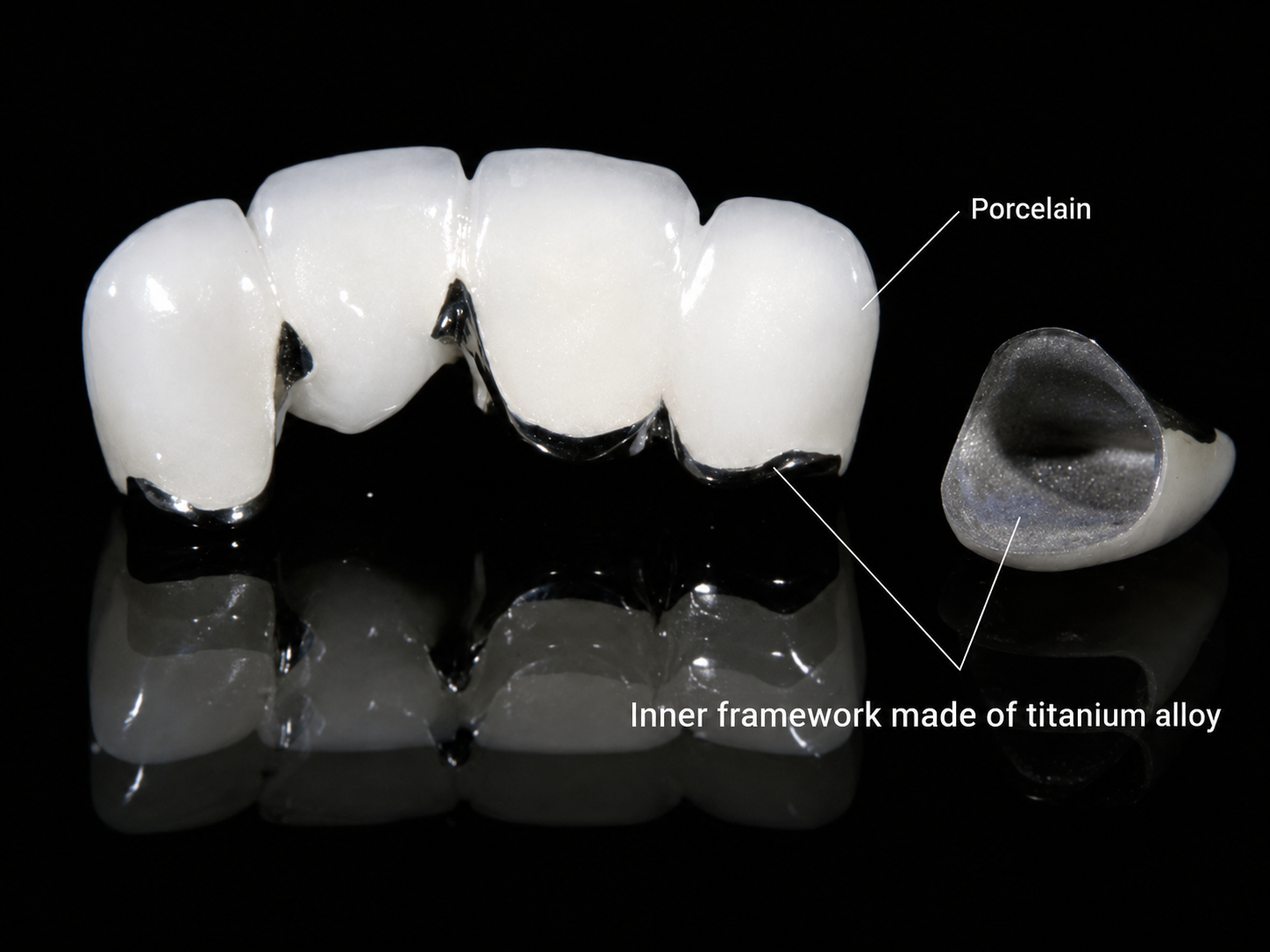
Titan porcelain crowns.
Precious metal-ceramic crowns are a specialized and premium type of crown available on the market. They are expensive, with costs comparable to all-ceramic crowns.
These crowns provide high durability, rarely oxidize, and offer a luxurious appearance. Precious metal crowns are made from premium materials such as platinum, gold, and palladium.
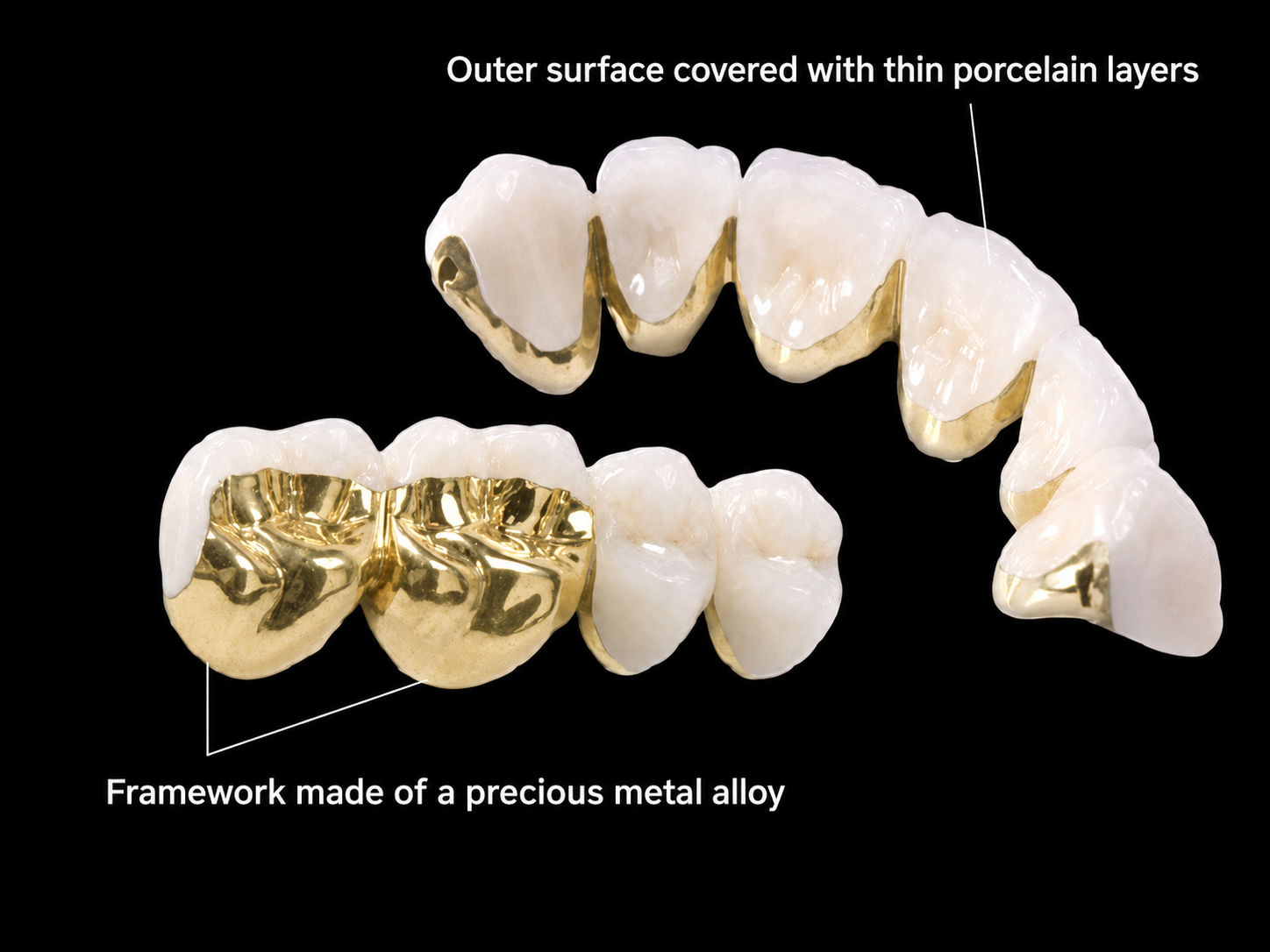
Precious metal-ceramic crowns.
Metal-ceramic crowns provide high durability, excellent load-bearing capacity, and resistance to wear. Therefore, daily chewing does not significantly affect their structure. As a result, the crowns can have a long lifespan of more than 20 years.
Modern dental crowns generally combine porcelain with metal to provide natural color and gloss. Therefore, metal-ceramic crowns have a shade similar to that of natural teeth. When used, they provide a natural appearance and a color comparable to real teeth.
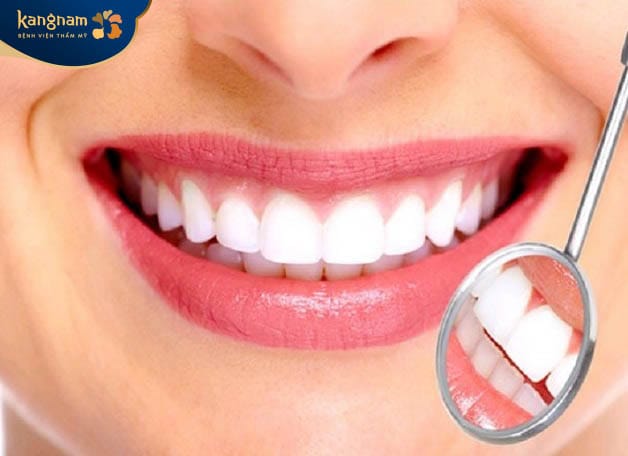
Good aesthetic appearance.
Compared with zirconia crowns, which are made entirely from ceramic, or metal-ceramic alloy crowns, metal-ceramic crowns are less expensive and suitable for the financial circumstances of most patients.
The crowns are manufactured using advanced five-dimensional CT technology according to modern standards, creating highly precise restorations that fit the patient’s dental structure and bite.
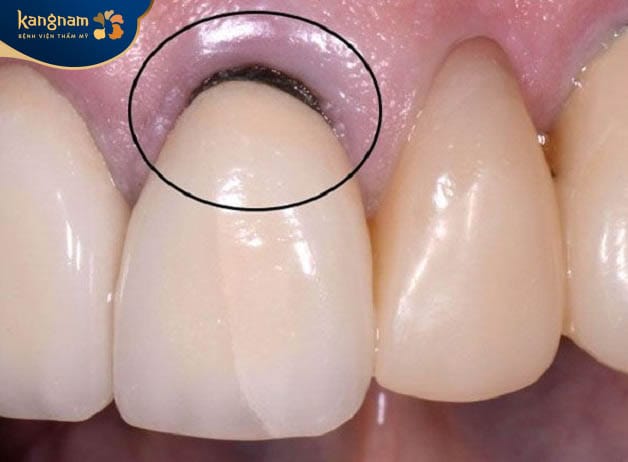
Although their appearance has improved compared with previous versions, these crowns still have a major disadvantage: they can easily cause gum darkening. The metal framework is highly susceptible to oxidation in the acidic oral environment. After a period of use, patients may experience swollen or red gums and dark discoloration along the gum margin.
This may make patients feel uncomfortable when smiling and communicating in daily life.
Metal-ceramic crowns may cause gum darkening after prolonged use.
Because metal-ceramic crowns have a thicker structure than other crown types, the dentist must remove more natural tooth tissue to ensure the durability and stability of the restoration.
Metal-ceramic crowns conduct heat effectively. However, when exposed to hot or cold foods, they may absorb temperature changes quickly and cause sensitivity in the natural tooth.
Metal-ceramic crowns are highly durable. This is both an advantage and a disadvantage. Because they are very hard, they may wear down the opposing teeth during chewing.
This wear may occur more rapidly in people who grind their teeth while sleeping and may negatively affect the bite.
Many people still confuse metal-ceramic crowns with all-ceramic crowns. Because these two crown types have different prices, their functions, durability, and aesthetic qualities also differ.
Metal-ceramic and all-ceramic crowns have the following characteristics:
| Criteria | Metal-Ceramic Crowns | All-Ceramic Crowns |
|---|---|---|
| Aesthetic appearance | Because the crowns contain metal, they have an opaque white color and may not be the most suitable choice for front teeth. | Available in various shades similar to the color of natural teeth. |
| Strength | Highly durable but susceptible to corrosion over time. | Provide excellent load-bearing capacity, allowing patients to eat comfortably without concerns about sensitivity. |
| Lifespan | 5–10 years | 15–25 years |
| Cost | Affordable price range suitable for most people. | Higher cost, approximately two to three times more expensive than metal-ceramic crowns. |
At Kangnam Aesthetic Hospital, the metal-ceramic crown procedure includes the following basic steps:
The dentist examines the condition of the patient’s teeth. Based on the actual condition, the dentist determines whether porcelain crown treatment is appropriate.
The dentist then recommends a suitable crown type and provides the patient with a price quotation.
Examination with a dentist.
The dentist cleans the patient’s teeth. To ensure that the mouth is clean and sterile and to prevent inflammation or infection, careful oral hygiene must be performed before crown placement.
The dentist prepares the teeth and takes dental impressions.
Because metal-ceramic crowns are used, the dentist must prepare the teeth more deeply and remove more natural tooth tissue. However, the preparation must follow the correct technique and avoid removing inappropriate dental tissue that could cause sensitivity.
The dentist also takes dental impressions as a basis for designing crowns that fit the patient’s mouth and bite.
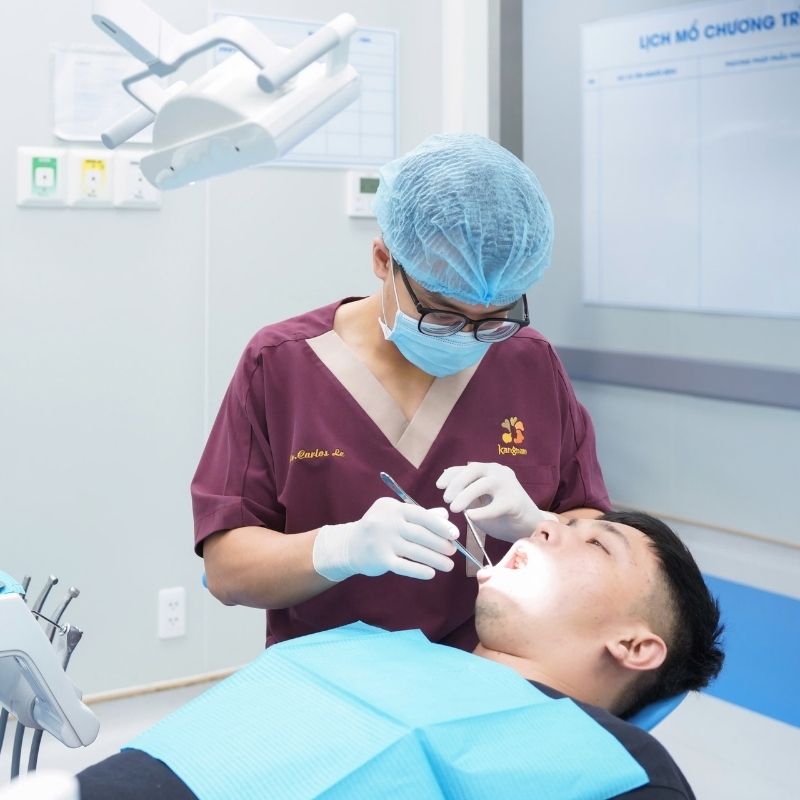
Tooth preparation and impressions for porcelain crowns.
Temporary crowns are placed while the permanent restorations are being designed to fit the patient’s dental structure. These temporary crowns remain biocompatible and allow the patient to chew normally.
The crowns are designed based on the previously obtained dental impressions. The entire crown design process is automated and provides high precision. Crown design generally takes one to two days.
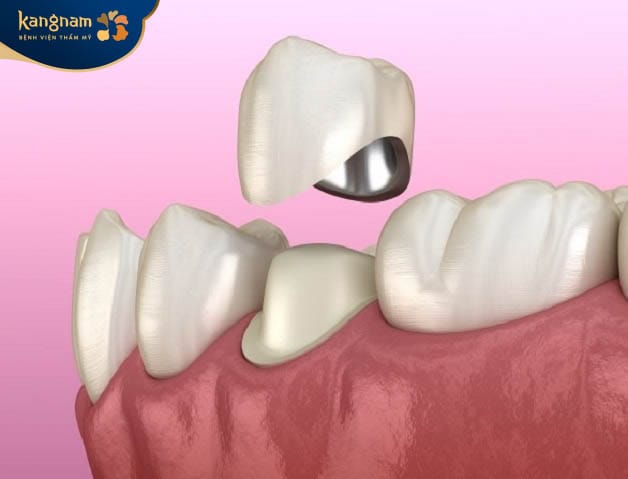
The dentist removes the temporary crowns, places the newly designed permanent crowns, and adjusts them to fit the patient’s bite.
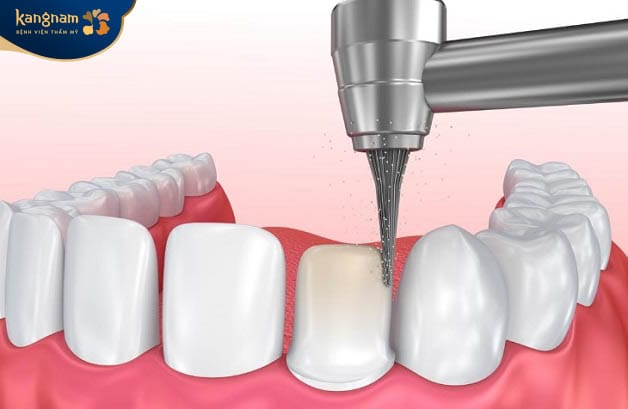
Permanent crown placement.
After making adjustments, the dentist creates the tooth shade and enamel surface and applies a Nano Silver coating to provide a natural gloss. This helps keep the patient’s crowns bright, glossy, and natural-looking alongside the surrounding natural teeth.
Before the patient leaves, the dentist provides instructions on caring for the teeth at home to maintain their strength, chewing ability, and long-term durability.
“The cost of metal-ceramic crown treatment at Kangnam Aesthetic Hospital starts from just $46. Below is the price list for porcelain crowns at Kangnam:
| Service | Cost (USD) |
| Cr-Co comprehensive metal crown | ~$46 |
| Titan porcelain crown | ~$95 |
Metal-ceramic crowns should be cared for and protected every day to keep the teeth healthy and extend the lifespan of the crowns.
Brush twice a day using a soft-bristled toothbrush. When brushing, clean the inner, upper, and lower surfaces of the teeth.
Brush your teeth correctly after receiving dental crowns.
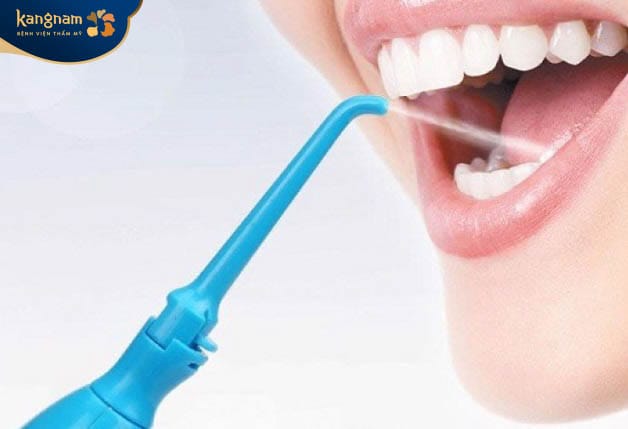
After every meal, use dental floss or a water flosser to clean areas that are difficult for a toothbrush to reach.

Dental floss and a water flosser should be used after crown placement.
Food trapped between the teeth for prolonged periods may cause swollen and inflamed gums, create discomfort, and affect the tooth roots.
Foods and beverages that contain large amounts of sugar, carbonation, and abrasive substances may damage the crown coating and cause the natural tooth enamel to deteriorate.
Red wine, turmeric, tomatoes, coffee, and tobacco are products that may discolor the surface of porcelain crowns.
Limit foods that are harmful to oral health.
Biting fingernails or frequently biting hard objects may reduce the lifespan of dental crowns. In some cases, the crowns may fracture immediately if excessive force is used to bite a hard object.
Regular dental examinations help detect problems with dental crowns early. After the examination, the dentist cleans the teeth and performs whitening to help maintain healthy teeth.
If the patient experiences discomfort while chewing or speaking after crown placement, they should inform the dentist so that the bite can be adjusted, ensuring that the crowns are balanced and compatible with oral function.
Dental crowns may become loose after placement. If a crown feels loose during chewing, the patient should visit a dentist to have it cleaned and reattached.
Metal-ceramic crowns are a method of restoring dental function and are generally effective in maintaining essential oral functions. In practice, the lifespan of any crown type may be extended indefinitely if the teeth are carefully maintained and properly cared for. Metal-ceramic crowns are no exception.
However, metal-ceramic crowns require more careful oral hygiene and maintenance to prevent gum darkening after prolonged use.
Metal-ceramic crowns can last an average of 5–10 years. Combining scientific oral care with regular dental examinations may extend their effective lifespan indefinitely.
Although metal-ceramic crowns are not the best type of dental crown currently available, they still provide essential oral functions at a reasonable cost. Therefore, they remain a leading choice among patients.