
Date posted: 13-11-2026 | Last updated : 18-11-2026
Liposuction is the better option for removing stubborn belly fat when skin elasticity is good, while a tummy tuck is more suitable for excess skin or separated abdominal muscles. Patients with both stubborn fat and loose skin may benefit from combining the procedures.
Abdominal liposuction: Removes localized fat but does not correct significant loose skin or separated muscles.
Tummy tuck: Removes excess skin and may repair separated abdominal muscles.
Combined surgery: May address stubborn fat, skin laxity, and abdominal wall weakness in selected patients.
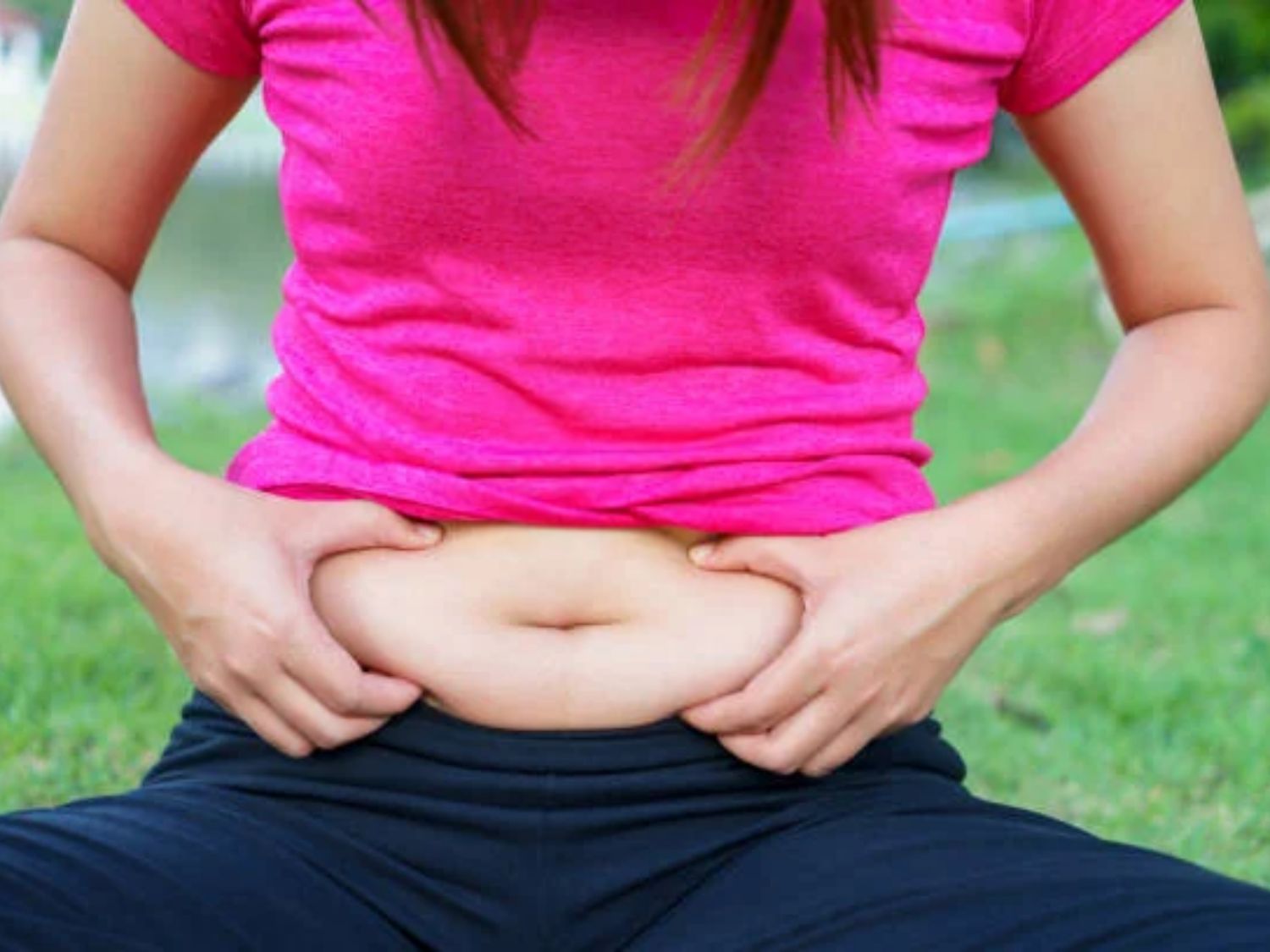
A protruding abdomen may result from excess fat, loose skin, separated abdominal muscles, or deeper internal fat. Identifying the main cause is essential because liposuction and tummy tuck surgery correct different anatomical problems.
Four common causes include:

Liposuction reduces fat volume, while a tummy tuck removes excess skin and can repair the abdominal wall. The two procedures also differ in incision size, scarring, recovery time, and the degree of correction they provide.
| Comparison | Abdominal Liposuction | Tummy Tuck |
| Main purpose | Remove localized abdominal fat | Remove excess skin and tighten the abdominal wall |
| Best candidates | Patients with stubborn fat and good skin elasticity | Patients with loose skin or separated abdominal muscles |
| Fat removal | Directly removes subcutaneous fat | Removes skin and attached tissue; liposuction may be added |
| Loose skin correction | Limited to natural skin contraction | Surgically removes excess skin |
| Muscle repair | No | Possible when indicated |
| Incisions | Small cannula entry points | Longer lower-abdominal incision, sometimes around the navel |
| Scarring | Usually small scars | Longer permanent scar |
| Recovery | Generally shorter | Generally longer |
| Main limitation | Cannot remove significant loose skin | More extensive surgery and longer healing |
The American Society of Plastic Surgeons (ASPS) explains that abdominoplasty removes excess skin and fat and often restores weakened or separated abdominal muscles. It also emphasizes that the procedure cannot replace weight loss or regular exercise.
Abdominal liposuction alone is generally suitable for patients with localized belly fat, reasonably firm skin, stable weight, and no significant abdominal muscle separation.
Signs you may be a good candidate
At Kangnam, Lipo 360 is an option for treating fat across the upper abdomen, lower abdomen, and waist to improve the overall midsection contour.
For example, a 35-year-old who maintains a stable weight but has persistent lower-abdominal fat and firm skin may benefit from liposuction without requiring skin removal.
However, the skin must contract adequately after the underlying fat is removed. In patients with poor elasticity, removing fat may make wrinkles or sagging more noticeable.
You can learn more about abdominal liposuction in Vietnam at Kangnam.
A tummy tuck is more appropriate when excess skin, abdominal wall weakness, or muscle separation is the main cause of abdominal deformity. It is particularly useful after pregnancy or significant weight loss when the skin cannot tighten sufficiently on its own.
Signs that a tummy tuck may be necessary

Mini tummy tuck
A mini tummy tuck treats a limited amount of loose skin, mainly below the belly button.
It may be suitable when:
The incision is typically shorter than a full tummy tuck, but the procedure still leaves a scar.
Full tummy tuck
A full tummy tuck treats more extensive loose skin and may repair separated abdominal muscles.
It may be recommended when:
The procedure generally involves a horizontal incision across the lower abdomen and may require repositioning the belly button.
Liposuction and tummy tuck surgery can be combined when patients have both excess abdominal fat and significant loose skin or muscle separation. The combined procedure addresses different tissue layers, but it also increases surgical complexity.
A combined approach may be considered when:
For example, someone who has lost 25 kg may have stubborn fat around the waist and a large fold of loose abdominal skin.
Liposuction alone would reduce the fat but leave the excess skin. A tummy tuck alone could remove the hanging skin, while adding liposuction may help refine surrounding fat deposits.
Combining procedures is not always the safest option.
Doctor’s advice: Combining two procedures should never be the default choice. The surgeon must consider the amount of tissue requiring correction, blood supply, operating time, and individual complication risks.
At Kangnam Aesthetic Hospital, the treatment decision begins with an assessment of abdominal fat, skin elasticity, muscle condition, previous surgery, and overall health. The objective is to select the procedure that addresses the actual anatomical problem without unnecessary intervention.
The surgeon evaluates:

Medical screening is performed to evaluate whether the patient is suitable for elective surgery.
This may include:
The treatment recommendation depends on the examination.
The surgeon explains the expected correction, incision placement, possible scars, recovery requirements, and treatment limitations.
For tummy tuck procedures, planning may include skin removal, abdominal muscle repair, and belly-button repositioning when necessary.
At Kangnam, treatment planning also includes postoperative monitoring and follow-up instructions appropriate to the selected procedure.
Explore our abdominal skin-tightening procedures for more information.
Abdominal liposuction generally involves smaller scars and a shorter initial recovery than a full tummy tuck, but both are surgical procedures requiring medical monitoring. Recovery varies according to the extent of treatment, individual health, and any combined procedures.
| Recovery Factor | Liposuction | Full Tummy Tuck |
| Early discomfort | Swelling, bruising, tenderness | Swelling, tightness, pain around the incision |
| Light daily activities | Often within several days | Frequently requires more assistance initially |
| Desk-based work | Often around 1–2 weeks | Often around 2–4 weeks |
| Strenuous exercise | Commonly restricted for several weeks | Often restricted for at least 6 weeks or longer |
| Scar appearance | Small incision marks | Long lower-abdominal scar, sometimes a navel scar |
These are general estimates, not guaranteed recovery times. The operating surgeon determines when each activity is safe.
Liposuction risks:
Tummy tuck risks:
Chest pain, sudden shortness of breath, fainting, or severe one-sided leg swelling requires emergency medical assessment.
International patients need enough recovery time before flying home, especially after a full tummy tuck or combined surgery.
Before arranging return travel, patients should:

A full tummy tuck usually requires more extensive recovery planning than limited abdominal liposuction. Return-flight dates should not be guaranteed before surgery.
Book Your Abdominal Contouring Consultation at Kangnam
Still unsure whether you need liposuction or a tummy tuck? Schedule a consultation with Kangnam’s specialist team for an assessment of your abdominal fat, skin elasticity, and muscle condition to identify the most appropriate treatment.
Yes, abdominal liposuction may be suitable after a C-section when healing is complete and the main concern is localized fat. However, significant skin overhang, scar tethering, or abdominal muscle separation may require a different surgical approach.
A tummy tuck removes excess skin and some attached tissue, but it is not designed for significant weight loss. Patients who need substantial weight reduction should generally stabilize their weight before considering body-contouring surgery.
Liposuction removes fat beneath the skin but cannot remove visceral fat surrounding internal organs. A firm, rounded abdomen caused mainly by visceral fat requires weight-management and medical evaluation rather than cosmetic fat removal.
Patients planning another pregnancy are generally advised to postpone a tummy tuck until they have completed childbearing. A future pregnancy can stretch the abdominal skin and muscles again, potentially reducing the results of the original surgery.