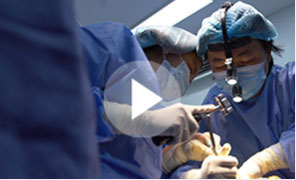
Date posted: 13-11-2026 | Last updated : 18-11-2026
Hi-def liposuction in Vietnam is most suitable for healthy adults with stable body weight, good skin elasticity, and localized abdominal fat that hides their natural muscle definition. Also known as abdominal etching or six-pack liposuction, this surgical technique selectively removes fat to make existing muscle contours more visible rather than building new abdominal muscles.
Ideal candidates: Healthy adults near their target weight with localized abdominal fat and reasonably firm skin.
Main benefit: Enhances the visibility of existing abdominal muscle contours without increasing muscle size.
Limitations: Does not treat obesity, remove deep visceral fat, or correct significant loose skin.
Safety: Requires careful patient selection and a qualified surgeon experienced in detailed body contouring.
Hi-def liposuction is a specialized body-contouring technique that removes selected fat deposits to highlight the natural shape of underlying muscles. When performed on the abdomen, it is commonly called abdominal etching.
Unlike conventional liposuction, which mainly reduces the overall thickness of a fatty area, abdominal etching focuses on creating subtle differences in fat thickness that follow the patient’s muscle anatomy.
The surgeon may refine areas around:

For example, someone who exercises regularly but still has a thin layer of stubborn belly fat may have well-developed abdominal muscles that remain difficult to see.
The best candidates for abdominal etching are physically healthy adults with a stable weight, adequate muscle development, elastic skin, and a relatively small amount of fat covering the abdominal muscles.
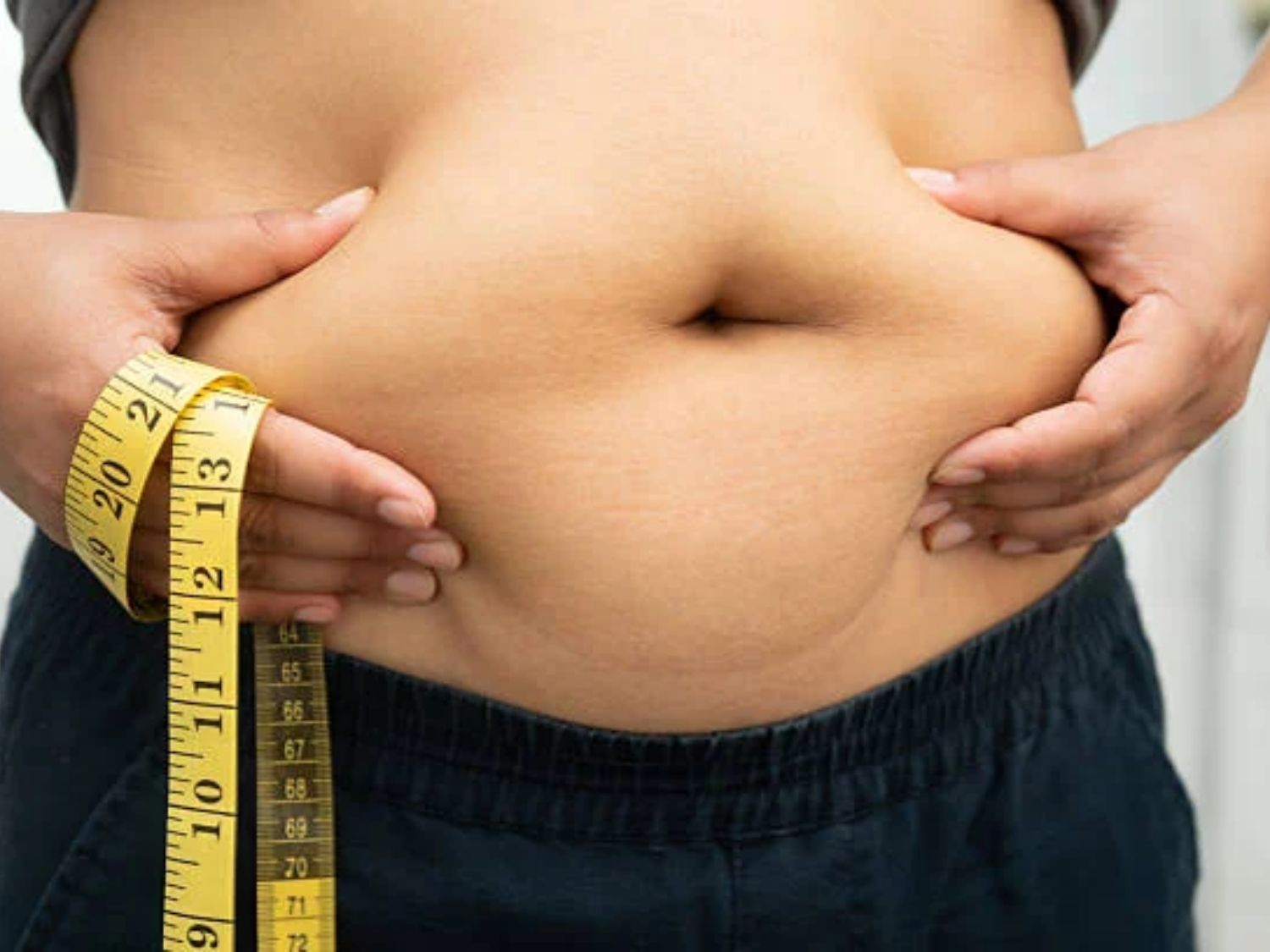
A 2026 systematic review published in Annals of Plastic Surgery evaluated 17 studies involving 9,570 patients undergoing high-definition liposuction. The authors found that patient-selection criteria differed between studies, with no established consensus on a single ideal candidate profile.
International scientific reference: Who Is the Ideal Candidate for High-Definition Liposuction? A Systematic Review and Meta-Analysis (2026).
BMI is therefore only one consideration. Surgeons must also evaluate body fat distribution, skin elasticity, muscle anatomy, and medical fitness.
Clinical example: A 32-year-old who trains regularly, maintains a stable weight, and has a small layer of lower-abdominal fat may be a reasonable candidate for abdominal etching. By contrast, someone with a similar BMI but significant loose skin or predominantly visceral fat may benefit more from another approach.
Abdominal etching is generally unsuitable for patients with substantial excess body fat, significant loose skin, or medical conditions that make elective surgery unsafe. In these situations, other treatments may provide more appropriate and predictable results.
Conditions that may make abdominal etching unsuitable

Hi-def liposuction focuses on visible muscle definition, while traditional liposuction primarily reduces unwanted fat volume. Lipo 360 treats fat around the midsection, whereas a tummy tuck addresses excess skin and, when needed, separated abdominal muscles.
| Procedure | Main Purpose | Best Candidates | Main Limitation |
| Traditional Liposuction | Reduce localized fat deposits | Patients seeking a slimmer abdomen | Does not specifically emphasize muscle lines |
| Lipo 360 | Contour the abdomen, waist, and flanks | Patients with fat distributed around the midsection | Does not automatically produce six-pack definition |
| Hi-Def Liposuction / Ab Etching | Highlight natural abdominal muscle contours | Fit patients with localized fat and good skin tone | Cannot build muscles or remove visceral fat |
| Tummy Tuck | Remove excess skin and potentially repair abdominal muscles | Patients with significant skin laxity or muscle separation | More extensive surgery with a longer incision and recovery |
Abdominal etching uses planned, selective fat removal to emphasize natural muscle boundaries. Accurate anatomical markings and careful control of fat thickness are essential to producing balanced contours.
The procedure generally involves five stages:
Step 1 – Abdominal assessment
The surgeon examines:
Step 2 – Anatomical marking
The surgeon marks the natural abdominal muscle lines, usually while the patient is standing.
These markings guide the planned areas of fat removal and help preserve the patient’s individual anatomy.
Step 3 – Anesthesia and preparation
Appropriate anesthesia is administered according to the surgical plan.
The treatment area is prepared, and a medical fluid solution may be introduced before fat removal.
Step 4 – Selective fat removal
The surgeon uses a specialized suction instrument to remove carefully selected fat deposits, including more superficial fat in appropriate areas.
The aim is to create natural-looking contour transitions without removing excessive tissue.
Step 5 – Postoperative monitoring
Following surgery, the medical team monitors the patient’s condition and provides instructions about compression garments, wound care, activity, and follow-up appointments.

An important limitation: Removing fat too aggressively or unevenly can create unnatural grooves, visible irregularities, or asymmetry. Abdominal etching therefore requires more detailed contour planning than routine fat reduction.
Hi-def liposuction may create a more defined abdominal appearance, but the results develop gradually and depend on healing, skin quality, natural muscle anatomy, and long-term weight maintenance. Swelling can initially hide the intended contours.
Recovery varies with treatment extent, anesthesia, individual health, and any combined surgical procedures.
As with other liposuction procedures, abdominal etching carries risks including:
In high-definition procedures, overly aggressive superficial fat removal is an additional aesthetic concern because it may make irregularities more noticeable.
Patients should seek immediate medical attention for chest pain, shortness of breath, fainting, or sudden significant leg swelling.
Fat cells removed during liposuction are permanently removed, but remaining fat cells can still enlarge with weight gain.
To maintain abdominal definition, patients should:

Kangnam Aesthetic Hospital’s lists Lipo 360 body contouring and six-pack contouring with liposuction. However, the specific availability and technical scope of high-definition abdominal etching must be confirmed with the hospital before scheduling treatment.
According to Kangnam’s published body-contouring information:

These services are described in Kangnam’s article: Liposuction in Vietnam – Advanced Body Contouring.
The information does not establish that every Kangnam location performs a particular hi-def abdominal etching technique. Patients should confirm the available procedure, operating surgeon, and expected result directly with the hospital.
Yes, abdominal etching can be performed on suitable female patients as well as male patients. The surgeon should follow each person’s natural muscle anatomy and aesthetic goals rather than applying the same six-pack pattern to everyone.
No, abdominal etching does not increase muscle strength or size. It removes selected fat deposits to make existing muscle contours more visible, while exercise remains necessary to develop and strengthen the abdominal muscles.
Combining abdominal etching with other procedures may be considered in carefully selected patients. However, treating larger or multiple areas increases surgical complexity, so the decision must account for operating time, overall health, and recovery risks.
A well-planned procedure aims to follow natural abdominal anatomy, but skin folds and contour changes during movement are normal. Overly deep or poorly positioned grooves can appear unnatural, especially when sitting or bending.