
Date posted: 26-07-2026 | Last updated : 28-07-2026
Possessing an ideal bust size is the dream of many women, and areola reduction surgery has become a popular choice for women to achieve a more balanced and attractive areola. In this article, we will help you understand the process, benefits, and how to gain confidence in your bustline through the areola reduction method.
Areola reduction is a minor surgical procedure aimed at reducing the size and excess sagging skin of the areola, creating a more aesthetic, balanced, and harmonious bustline. The areola reduction process can be performed independently or combined with breast augmentation, breast lift for sagging, or breast reduction for enlarged glandular tissue.
Areola reduction is performed to address excessively large areolas caused by genetics, aging, breastfeeding, or sudden weight loss, helping women feel more confident in their body shape and bustline.
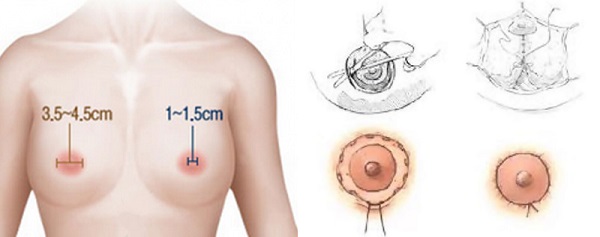
The decision to undergo areola reduction can be considered in the following cases:
Women with large areolas that are disproportionate to the breasts, causing feelings of self-consciousness and dissatisfaction with their body shape.
The breastfeeding process can cause the areola to enlarge and stretch. Areola reduction can be a method to adjust the size and shape of the areola post-breastfeeding.
In some cases, the two areolas may be asymmetrical in size or shape, and areola reduction can help rebalance both sides.
Individuals with excessively large areolas may feel uncomfortable during daily activities. Areola reduction can help resolve this issue, boosting women’s confidence in the eyes of their partners.
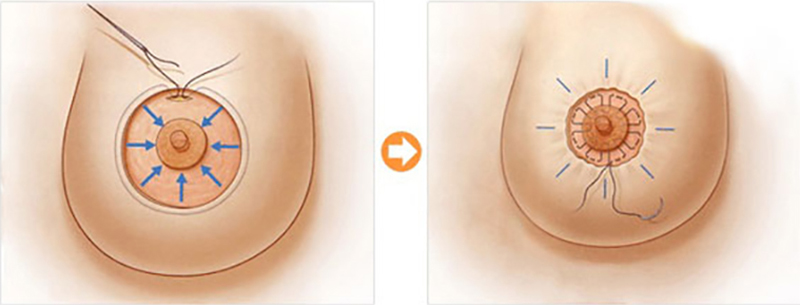
Like other cosmetic procedures, areola reduction has its own advantages and limitations, including:
Some advantages of performing areola reduction:
Improves Aesthetics: Areola reduction creates a more balanced, harmonious areola, enhancing the aesthetic appeal of a naturally beautiful bustline.
Boosts Confidence: Women feeling self-conscious due to overly large areolas can feel more confident after surgery.
Reduces Breast Discomfort: Excessively large areolas can cause discomfort and unwanted attention. Areola reduction can minimize these issues.
Easier Breastfeeding: Women with excessively large areolas may experience difficulties when breastfeeding; reducing the areola helps effectively resolve this problem.
Safe Method: Areola reduction surgery does not affect breastfeeding ability or the natural functions of the breast. Patients can quickly return to daily activities without requiring extended rest.
Minimizes Complications: Modern techniques make the areola reduction process minimally invasive, reducing the risk of complications in the areolar area.

Some limitations of the areola reduction process:
Areola reduction surgery carries potential risks associated with anesthesia and surgery, or risks during the recovery period.
The post-surgical skin area may experience temporary swelling and tissue injury, but most will subside after a few days to 1 week.
The areola can still stretch if not protected and cared for properly, which may result from aging or hormonal changes.
The areola reduction process at Kangnam Hospital is conducted through the following steps:
Step 1: Clinical Examination of the Areola Condition
The doctor conducts an initial consultation and examination, discussing the current state of the areola with the client, while listening to their desires and post-surgical goals.
Step 2: General Health Check
Before performing any surgery, a general health check is required to ensure the client meets all health conditions and is suitable for areola reduction surgery.
Step 3: Cleansing and Marking the Areola Area
Prior to surgery, the areola area is thoroughly cleansed to minimize infection risks. Afterwards, the doctor measures and marks the areola area based on the client’s desires, body proportions, and breast shape.
Step 4: Anesthesia
Before beginning the procedure, the doctor administers local anesthesia to ensure the client feels no pain or discomfort during surgery.
Step 5: Performing Areola Reduction Surgery
The surgical procedure begins as the doctor reduces the areola by excising excess skin and fatty tissue, creating a new, balanced, and aesthetically pleasing areola size and shape to achieve optimal results aligned with the client’s expectations.
Step 6: Attentive Post-Operative Care
Once surgery is complete, the client is transferred to the recovery area for care by nursing staff. The doctor instructs the client on post-operative care for the areolar area, providing information on recovery timelines and follow-up schedules.
The areola reduction surgical process at Kangnam Hospital is performed by a team of professional doctors and medical staff, ensuring safety and reliable results aligned with the client’s initial goals.

Oliver Nguyen (29 years old, an overseas Vietnamese in Canada) asked: “My areola became quite large after giving birth, which makes me extremely self-conscious in front of my husband. The lengthened nipple and an areola much larger than the breast itself are not only aesthetically displeasing, but sometimes cause itching and discomfort. I want to reduce my areola but fear it will affect my milk quality; could the doctor please advise me?”
Dr. Lucas Hoang—Plastic and Reconstructive Breast Surgeon at Kangnam Aesthetic Hospital—explains:
“Areola reduction does not affect women’s milk glands. This is because the areola reduction procedure focuses strictly on adjusting the size and shape of the areola without intervening in the milk glands.
However, reducing the areola can cause temporary loss of sensation in the breast region, as well as present challenges with breastfeeding and surgical wound hygiene for nursing mothers. Therefore, it is preferable to wait until your baby is fully weaned and your body has stopped producing milk before undergoing areola reduction.”
The areola reduction process may cause mild pain and slight discomfort post-procedure; however, this sensation is maximally controlled and minimized by doctors at Kangnam Hospital to a level that anyone can comfortably tolerate.
The painful sensation is typically described as a feeling of tightness in the areolar region. To alleviate pain, the doctor will prescribe medication and provide meticulous instructions on caring for the areolar area after surgery.
Dr. Lucas Hoang states: “Sutures for minor areola reduction surgery are removed approximately 10 days after the procedure. Throughout the recovery phase, doctors at Kangnam Hospital monitor the client’s condition to determine the appropriate time for suture removal. Suture removal is generally painless, fast, and simple.”
After areola reduction, the body will exhibit natural responses and manifestations such as pain, soreness, bruising, etc. However, these are normal post-surgical reactions, and you need not be overly concerned:
Pain and Soreness: Sensations of pain and soreness in the areolar area are very common immediately following surgery. Pain levels typically range from mild to moderate. However, this pain usually diminishes after a few days and resolves completely within a few weeks.
Swelling: The areola area may swell post-surgery, a phenomenon that typically lasts for the first few days after the procedure.
Bruising: Bruising is a common post-surgical manifestation after areola reduction and may appear around the areolar area.
Temporary Loss of Sensation: After surgery, some individuals may experience a temporary loss of sensation in the areola area. However, normal sensation will return after a period of full recovery.
Discomfort and Tightness: During the recovery process, you may feel discomfort and tightness in the breasts and nipples. This is generally normal and gradually subsides after a few weeks.
Common manifestations after areola reduction
Kangnam Aesthetic Hospital is a trusted destination for areola reduction surgical services, featuring prominent advantages:
Highly Specialized Surgeons: Kangnam Hospital boasts a team of professional surgeons graduated from prestigious medical universities, holding extensive experience in breast aesthetic enhancements and revisions. They ensure a high-quality and safe surgical procedure.
Top Modern Technological Machinery: Kangnam Hospital applies the most modern and advanced machinery technology in Vietnam, ensuring a swift and effective surgical process.
Surgical Protocols Standardized by the Ministry of Health: Kangnam Hospital complies with and applies Ministry of Health regulations regarding aesthetic surgery, even for minor procedures like areola reduction, ensuring the surgical process is performed safely without complications.
5-Star Post-Operative Care: After surgery, clients enjoy 5-star post-operative care, providing a comfortable environment during recovery. In particular, for overseas clients needing rapid recovery to return abroad, the hospital is ready to assist at all times, providing fast pain and swelling reduction regimens to ensure you can return to normal activities as quickly as possible.
Areola reduction at Kangnam Hospital ranges in cost from $456 to $950 USD depending on the specific service. You can refer to the detailed price list below:
| Service | Estimated Price (USD) |
| Nipple Reduction / Reshaping | $456 |
| Inverted Nipple Correction | $760 |
| Areola Reduction | $760 |
| Nipple Reconstruction / Erection | $950 |
| Areola Plastic Surgery / Reshaping | $950 |
With a dedication to bringing confidence and happiness to women, Kangnam Aesthetic Hospital is proud to be a trusted address for safe, effective areola reduction surgery. Let our specialized doctors and modern technological systems help transform and enhance the natural, balanced beauty of your bustline to make it even more captivating.