Date posted: 21-07-2026 | Last updated : 27-07-2026
Protruding eyes may affect facial appearance and make some people feel less confident. However, whether eyelid surgery is appropriate depends on the cause of the protrusion and the patient’s overall eye health.
Blepharoplasty may improve excess eyelid skin or create a clearer eyelid crease, but it does not directly move the eyeball backward or treat the underlying cause of proptosis.
People should not undergo cosmetic eyelid surgery when eye protrusion is caused by an active or untreated medical condition. The underlying disease should first be assessed and stabilised by an ophthalmologist or another appropriate specialist.
Eyelid surgery may be considered when:

Patients with mild, stable eye protrusion may be considered for eyelid surgery after a specialist assessment.
Blepharoplasty may create a clearer double-eyelid crease and improve selected eyelid concerns. However, it cannot be assumed to make protruding eyes appear significantly less prominent.
The procedure should be planned conservatively because removing too much skin may worsen eye exposure, dryness, or difficulty closing the eyelids.
Patients can learn more about long-term eyelid changes in Are Eyelid Surgery Results Permanent?.
Protruding eyes, medically known as proptosis or exophthalmos, may have several causes.
The condition should be evaluated medically, particularly when it develops suddenly, affects one eye more than the other, or is accompanied by pain or visual changes.
Thyroid eye disease, commonly associated with Graves’ disease, is one of the best-known causes of protruding eyes.
Inflammation and swelling of the tissues behind the eyes may:
Patients with suspected thyroid eye disease should be assessed by an endocrinologist and ophthalmologist.
Benign or malignant orbital growths may occupy space behind or around the eye and push the eyeball forward.
Possible warning signs include:
Orbital cellulitis, abscesses, and inflammatory orbital conditions may cause swelling and protrusion.
These conditions may require urgent treatment, particularly when accompanied by fever, severe pain, impaired eye movement, or visual symptoms.
Trauma around the eyes or face may cause:
Sudden protrusion after injury requires urgent medical assessment.
People with severe myopia may have longer eyeballs, which can make the eyes appear more prominent.
However, the appearance of protrusion does not necessarily mean that true orbital proptosis is present.
Some people naturally have more prominent eyes because of the shape and depth of the eye sockets, eyelid position, or inherited facial structure.
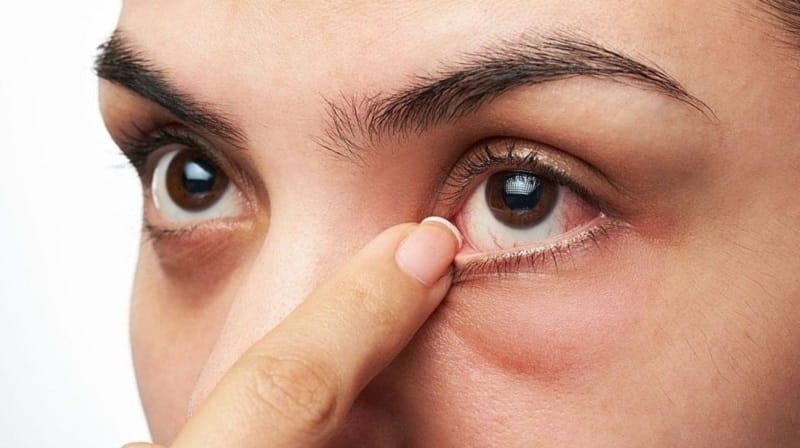
Several medical and anatomical conditions may cause the eyes to appear prominent.
Any new, worsening, painful, or one-sided eye protrusion should be assessed before cosmetic treatment.
Eyelid surgery cannot directly correct true eye protrusion because it does not reposition the eyeball or reduce pressure within the orbit.
Blepharoplasty mainly involves:
In contrast, protruding eyes may result from changes behind the eyeball, including swollen tissue, tumours, bleeding, or structural anatomy.
Therefore, eyelid surgery may improve the eyelid shape but does not treat the main cause of proptosis.
Patients should undergo a specialist assessment to determine whether they need:
Orbital decompression involves removing bone or fat from the orbit to create more space for the eye. It is a specialised operation and is very different from cosmetic blepharoplasty.
The original reference to “suturing the eyelid muscle” is not a standard general treatment for protruding eyes. The appropriate operation depends on whether the patient has eyelid retraction, ptosis, muscle imbalance, or another condition.
Patients with myopia can review Can People With Myopia Have Eyelid Surgery?.
A person with protruding eyes may be considered for eyelid surgery when the condition is mild, medically stable, and unrelated to an active orbital disease.
Possible candidates include people who:
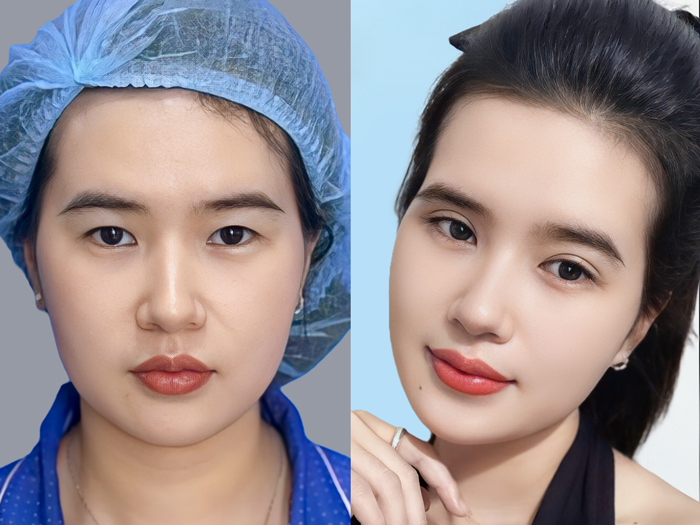
Blepharoplasty may improve loose eyelid skin but does not reposition a protruding eyeball.
The suitability of surgery cannot be determined simply by calling the condition “level 1” or “level 2.” The degree of protrusion should be measured and interpreted together with:
Patients with significant protrusion may have a greater risk of:
In these cases, removing upper-eyelid skin may worsen symptoms.
Cosmetic eyelid surgery should generally be postponed when the patient has:
A specialist should first diagnose and treat the underlying problem.
Kangnam Aesthetic Hospital provides eyelid procedures for patients who are considered suitable after medical assessment.
Kangnam states that its eyelid procedures are performed by doctors experienced in eye aesthetics and complex eyelid cases.
Before operating on a patient with prominent eyes, the doctor should assess:
Patients with suspected orbital or thyroid disease may need specialist ophthalmology evaluation before cosmetic surgery.
Kangnam provides techniques designed to create controlled incisions and reduce unnecessary tissue trauma.
Potential benefits may include:
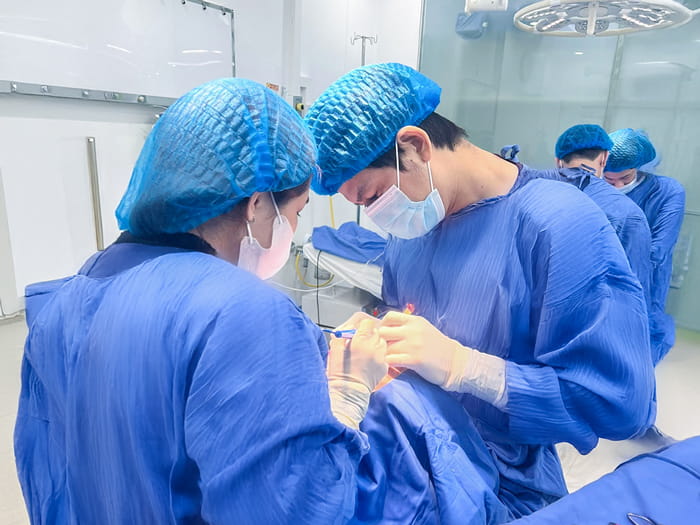
Kangnam uses modern eyelid techniques and individualised surgical planning.
However, no technology can guarantee:
Overseas Vietnamese patients may receive:
Online consultation can support initial planning, but patients with protruding eyes should receive an in-person examination before surgery.
Suitable patients may achieve:
The surgery will not normally reduce the forward position of the eyeball.
Patients should avoid providers who promise that ordinary blepharoplasty will fully correct protruding eyes.
Patients should seek urgent assessment if eye protrusion is accompanied by:
These symptoms may indicate a serious orbital or neurological condition.
People with protruding eyes may undergo eyelid surgery in selected cases, but only after the cause of the protrusion has been properly assessed.
Blepharoplasty may improve excess skin, an unclear eyelid crease, or mild asymmetry. It cannot correct true proptosis or replace treatment for thyroid eye disease, orbital tumours, infection, trauma, or other underlying conditions.
Patients with mild and stable eye prominence may be suitable when they have normal eye closure, healthy corneas, and no active disease. Those with significant or unexplained protrusion should first consult an ophthalmologist or orbital specialist.