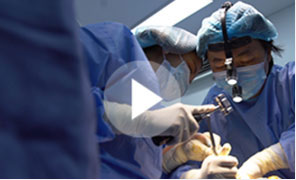
Date posted: 21-07-2026 | Last updated : 27-07-2026
As ageing progresses, the eyelids may develop loose skin, excess fat, and a heavier appearance, making the face look tired or older. Eyelid surgery is a popular cosmetic procedure for improving these concerns.
One of the most common questions patients ask is: Are eyelid surgery results permanent?
Eyelid surgery results are not permanent because the natural ageing process continues after the procedure.
Over time, the eyelid skin, brows, muscles, and surrounding facial tissues may gradually become looser. These changes can affect the eyelid crease and lead to recurrent sagging.
Nevertheless, eyelid surgery results may remain noticeable for approximately 10–15 years, and sometimes longer.
The actual duration depends on factors such as:
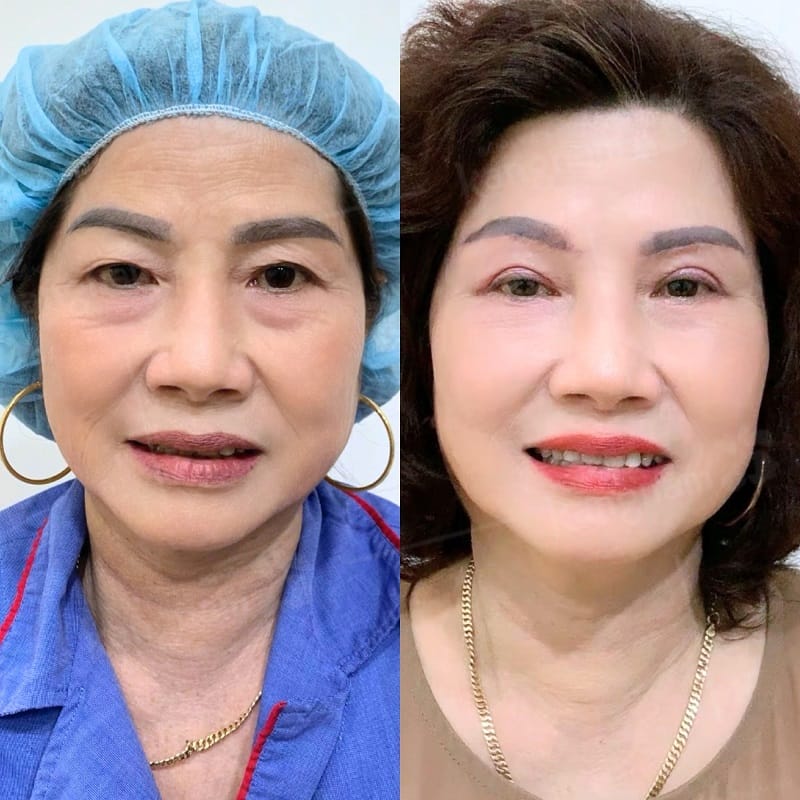
The eyelid crease may gradually change as the surrounding tissues continue to age.
Even when some sagging returns, the eyelids may still appear better than they would have without surgery.
Patients concerned about treatment discomfort can review Is Eyelid Surgery Painful?.
Several factors may gradually affect the eyelid crease and surrounding tissues after surgery.
Ageing causes changes in:
These changes cannot be stopped completely, even after successful eyelid surgery.
Some people naturally develop loose eyelid skin more quickly than others.
Factors that may contribute include:
During blepharoplasty, the surgeon may remove or reposition selected fat and excess skin.
The removed skin does not grow back in the same way, and removed fat cells do not simply regenerate. However, the remaining tissues may change with ageing, weight fluctuations, brow descent, or redistribution of facial volume.
These changes may create the appearance of recurrent fullness or sagging.
Patients who undergo surgery at an older age may already have more significant tissue laxity or brow descent.
However, younger patients are not protected from future ageing. Age influences the expected duration but does not determine it by itself.
A suitable technique and careful tissue preservation may support a natural and durable result.
The surgeon should avoid:
Modern techniques may improve precision, but the name of a technology alone does not guarantee that the result will last longer.
Appropriate wound care supports healing and scar maturation.
However, postoperative care cannot stop natural ageing or guarantee that the eyelid crease will remain unchanged permanently.
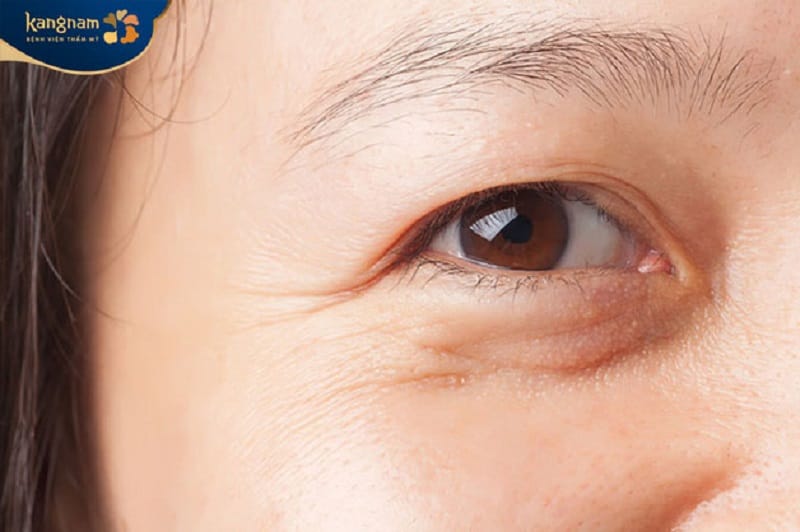
Ageing of the eyelid skin and surrounding tissues means blepharoplasty results cannot remain completely unchanged forever.
Detailed wound-care instructions are available in How to Clean Your Eyes After Eyelid Surgery.
Patients can support recovery and preserve their eyelid appearance through appropriate wound care, eye protection, and healthy lifestyle habits.
When instructed by the surgeon:
The exact cleaning method should follow the surgeon’s instructions.
A cold compress may be recommended during the first 24–48 hours to help control swelling.
It should:
Warm compresses should only be started when approved by the doctor. Applying heat too early may worsen swelling or bleeding.
Patients should take and apply medication exactly as directed.
They should not:
Silicone gel or another scar product may be considered once the incision has closed adequately.
The timing is not automatically five to seven days for every patient. The surgeon should first confirm that:
Scar products should not be applied directly to an open wound or allowed to enter the eye.
Patients should avoid:
Repeated eye rubbing may irritate the eyelid skin and contribute to long-term laxity.
Television, phones, and computers do not directly damage the eyelid incision.
However, prolonged screen use may cause dryness, reduced blinking, headache, and fatigue.
Patients should take breaks, rest adequately, and use prescribed lubricating drops when needed.
Eye makeup and contact lenses should not be used until the surgeon confirms that the incision and surrounding tissues have healed sufficiently.
Using them too early may:
Adequate sleep supports general recovery and may reduce fatigue-related eye rubbing.
Patients should follow any recommendation to sleep with the head elevated during the first several days.
Patients should eat a balanced diet containing:
There is insufficient evidence that water spinach, glutinous rice, seafood, beef, chicken, or eggs routinely cause raised eyelid scars in healthy patients.
These foods only need to be avoided when:
Smoking and nicotine may impair blood flow and wound healing.
Heavy alcohol consumption may worsen swelling, dehydration, bruising, and medication-related side effects.
Follow-up visits allow the surgeon to monitor:
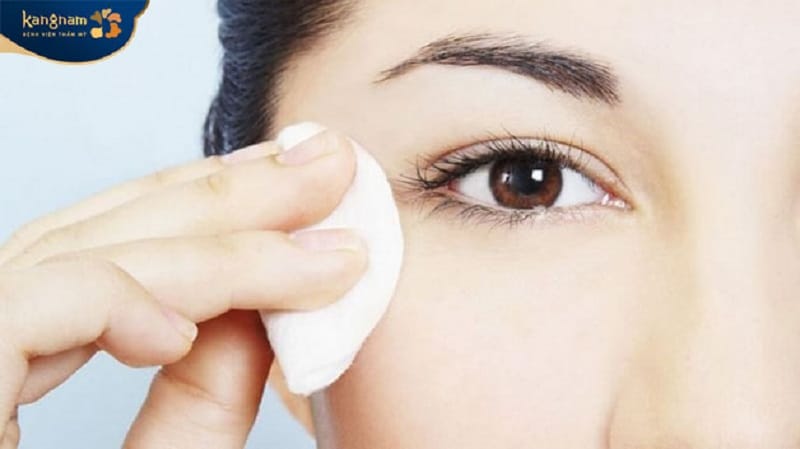
Appropriate eyelid care may support a smoother recovery and help preserve the result.
Patients can review additional restrictions in What Should You Avoid After Eyelid Surgery?.
Some patients may consider revision or repeat eyelid surgery after approximately 10–15 years if ageing causes new excess skin, recurrent heaviness, or significant changes in the eyelid contour.
However, repeat surgery is not automatically required after a fixed number of years.
A second procedure may be considered when:
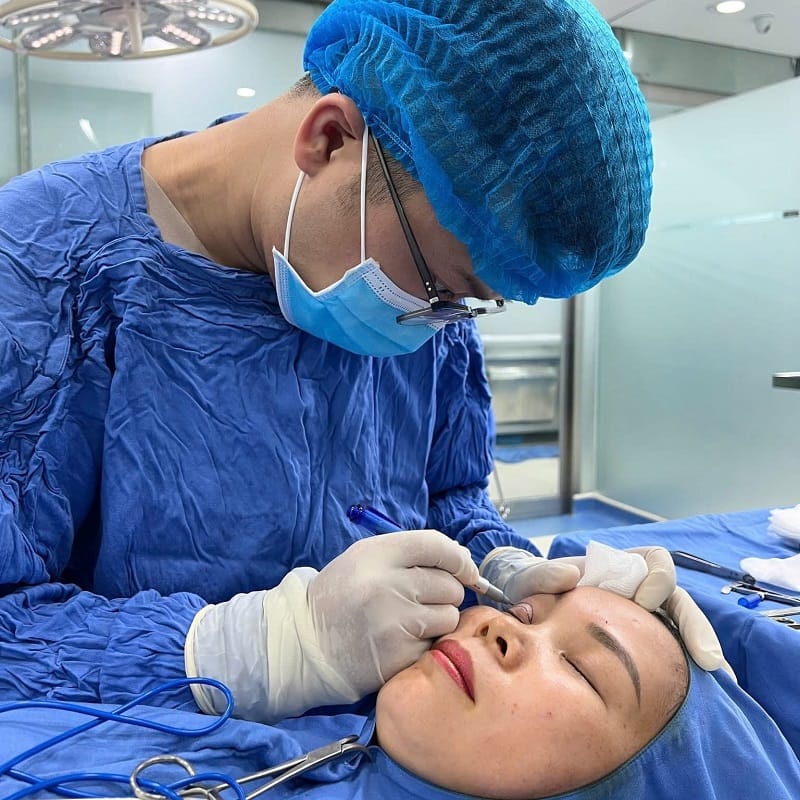
Repeat eyelid surgery may be considered when new skin laxity or other age-related changes become significant.
The doctor should determine whether the patient requires:
Repeat surgery may be more complex because of scar tissue and altered anatomy. Patients should wait until the tissues have fully healed before considering an early revision.
For overseas Vietnamese patients, an online consultation may be arranged before returning to Vietnam. Patients can send clear photographs and discuss:
Online consultation is useful for preliminary planning but cannot replace an in-person examination.
Kangnam Aesthetic Hospital offers several eyelid techniques designed to improve excess skin, fat, and eyelid-crease definition.
The hospital states that selected procedures may provide long-lasting results when performed by experienced doctors and followed by appropriate postoperative care.
However, no technique can make the eyelids permanently resistant to ageing.
Patients should ask for written information about:
A long-term warranty does not necessarily cover normal ageing or every future change in eyelid appearance.
Eyelid surgery results are not permanent because the eyelids and surrounding facial tissues continue to age.
For many patients, the improvement may last approximately 10–15 years and sometimes longer. The duration depends on the patient’s anatomy, age, surgical technique, lifestyle, and long-term tissue changes.
Good postoperative care supports healing but cannot stop ageing. Patients should choose a licensed medical facility, receive an individual assessment, and maintain realistic expectations about how the eyelids may change over time.