Date posted: 21-07-2026 | Last updated : 27-07-2026
Eyelid surgery removes selected excess skin and fat to create a fresher, more balanced eye appearance. Although the results can last for many years, the natural ageing process continues after surgery.
As the eyelid skin and surrounding tissues gradually change, many patients wonder: Will I need repeat eyelid surgery when I am older?
Some patients may consider repeat eyelid surgery as they get older, but a second procedure is not automatically necessary for everyone.
Natural ageing may gradually cause:
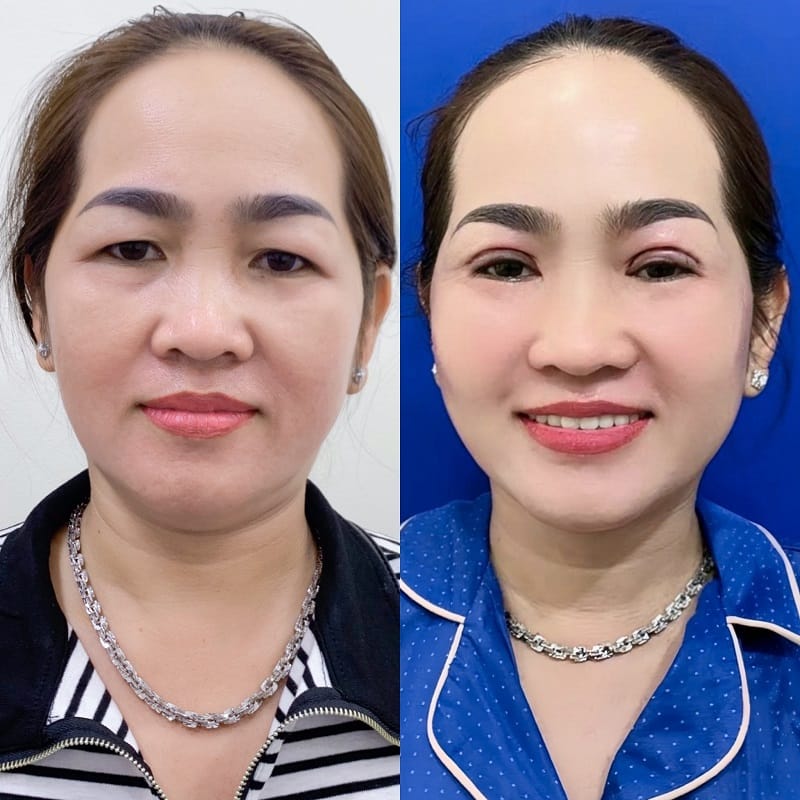
Age-related skin laxity may gradually affect the appearance of a previously created eyelid crease.
Whether another procedure is appropriate depends on:
Some people remain satisfied with their original result for many years and never require another operation.
Others may choose revision surgery when recurrent sagging becomes noticeable or begins to affect their field of vision.
Patients can learn more about result longevity in Are Eyelid Surgery Results Permanent?.
Several age-related changes may lead a patient to consider another eyelid procedure.
Eyelid surgery does not stop ageing.
Over time, the eyelid and surrounding tissues may experience:
These changes may make the upper eyelids appear heavy again, even when the original surgery was performed successfully.
Skin removed during surgery does not simply grow back. However, the remaining skin continues to age and may become loose.
Similarly, removed fat cells do not usually regenerate in the same form, but the remaining fat compartments may shift, enlarge, or become more noticeable as the facial tissues change.
This may create:
In middle-aged and older patients, drooping skin or brow descent may extend over the upper eyelid and interfere with the upper field of vision.
Patients may notice:
In these cases, treatment may be considered for functional as well as cosmetic reasons.
However, the problem may not always be solved by repeat blepharoplasty alone. Some patients may require assessment for:
Repeat eyelid surgery may be considered when significant ageing changes, functional problems, or complications from a previous procedure are present.
Possible reasons include:
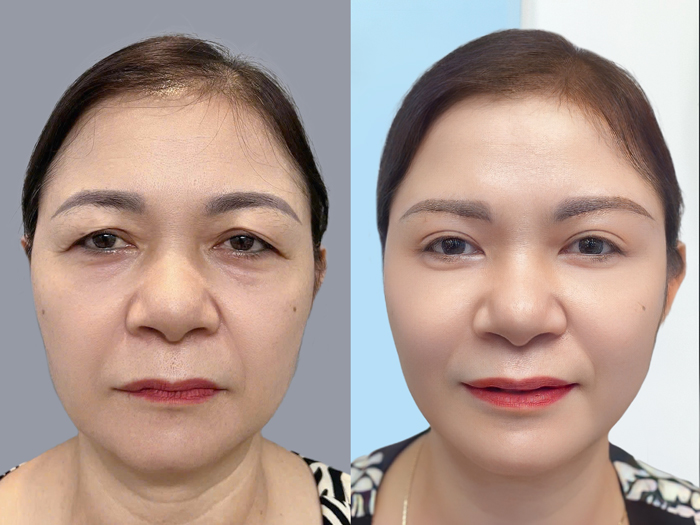
Revision surgery may be considered when recurrent skin laxity or a previous eyelid problem becomes significant.
Many eyelid-surgery results remain noticeable for approximately 10–15 years, and some may last longer.
However, this is only a general estimate.
Patients should not schedule another procedure based solely on the number of years that have passed. Repeat surgery should be guided by the actual condition of the eyelids.
Some people may have significant ageing changes earlier, while others remain satisfied after 15–20 years.
When the original procedure causes asymmetry, excessive skin removal, an unstable crease, or another complication, revision may be considered earlier.
However, the eyelids usually need sufficient time to heal before corrective surgery.
In many cases, surgeons recommend waiting several months because:
Urgent treatment may be required sooner if the patient develops functional problems such as severe exposure, uncontrolled bleeding, infection, or visual changes.
Patients can review warning signs in Failed Eyelid Surgery: Warning Signs and Corrective Options.
Kangnam Aesthetic Hospital provides eyelid assessment and revision options for middle-aged and older patients, as well as those concerned about a previous eyelid result.
Before recommending another procedure, the doctor should assess:
Not every patient with heavy eyelids requires repeat skin removal.
Removing additional skin without evaluating the brow and eyelid muscles may create an overly tight result or make eye closure more difficult.
Kangnam provides techniques such as:
These methods are intended to support controlled treatment and reduce unnecessary tissue damage.

Kangnam provides individualised eyelid procedures for ageing and revision concerns.
The original claim that modern methods completely remove the underlying cause of ptosis or permanently eliminate excess skin and fat should be interpreted cautiously.
Ptosis, brow descent, skin laxity, and fat changes are different conditions and may require different procedures.
No technique can guarantee:
Revision surgery can be more complex than primary eyelid surgery because previous treatment may have altered:
The surgeon should use a conservative approach and explain what can realistically be improved.
Kangnam may provide:
Comfortable recovery facilities and structured follow-up may support the patient’s experience, but they cannot guarantee faster healing or prevent all complications.
Overseas Vietnamese patients may arrange an online consultation before travelling to Vietnam.
They may be asked to provide:
An online assessment can support travel planning, but a final treatment decision requires an in-person examination.
Patients should also allow enough time in Vietnam for:
Revision or repeat surgery may carry additional risks, including:
Patients should seek a surgeon experienced in revision eyelid anatomy and should maintain realistic expectations.
Medical evaluation is recommended when the patient develops:
Sudden vision loss, severe eye pain, rapidly increasing swelling, or uncontrolled bleeding requires urgent medical care.
Eyelid surgery may provide long-lasting improvement, but it cannot stop the natural ageing process.
Some patients may consider repeat treatment after 10–15 years or longer when new excess skin, brow descent, eyelid bags, or functional problems develop. Others may never need another operation.
Repeat surgery should not be performed simply because a certain number of years has passed. The decision should follow a detailed assessment of the eyelids, brows, eye health, previous scars, and individual expectations.
For older patients and those considering revision surgery, choosing a qualified doctor and a licensed medical facility is particularly important because a second operation may be more complex than the first.
Are Eyelid Surgery Results Permanent?