Date posted: 21-07-2026 | Last updated : 27-07-2026
Double-eyelid suture surgery is a popular minimally invasive procedure for people who want a clearer, more youthful, and natural-looking eyelid crease without undergoing incisional surgery.
Alongside its aesthetic benefits, many patients want to know how long the result lasts, whether the crease is durable, and how to maintain it for as long as possible.
The result of double-eyelid suture surgery commonly lasts approximately three to five years.
However, this is only a general estimate. Some creases may loosen earlier, while others may remain visible for longer.
The duration depends on factors such as:
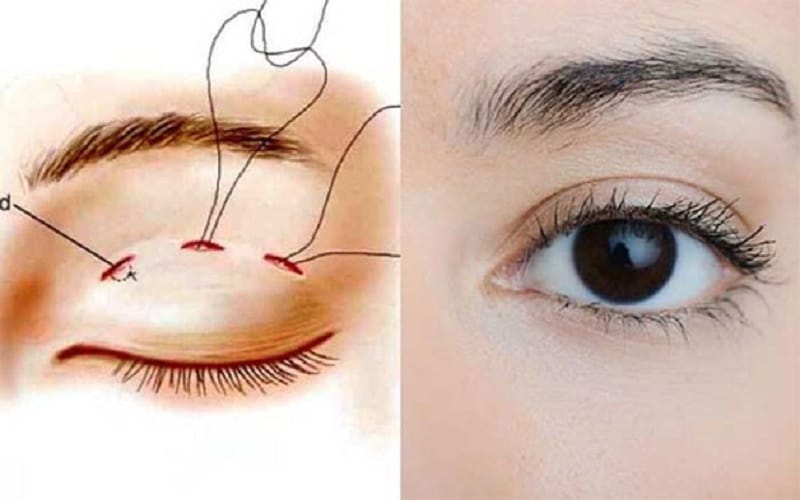
The eyelid crease created through suture surgery may remain visible for several years.
Double-eyelid suture surgery is not considered permanent. The fixation points may gradually loosen, while ageing and tissue changes can make the crease less defined over time.
Patients who want a longer-lasting result may need to discuss whether incisional eyelid surgery is more suitable for their anatomy.
Several factors affect the longevity of a double-eyelid crease.
Accurate placement of the sutures is important for creating a stable and balanced crease.
The doctor should determine:
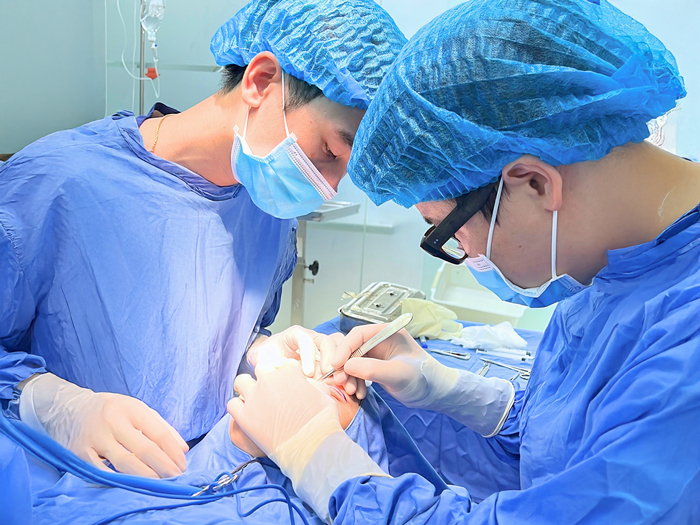
The doctor’s technique may affect the stability and appearance of the eyelid crease.
Incorrect placement may lead to:
No technique can guarantee that the crease will never loosen.
Medical sutures used for double-eyelid procedures may be absorbable or non-absorbable, depending on the technique.
A non-absorbable medical-grade suture is often selected when longer-lasting fixation is intended.
However, a more expensive or stronger suture does not automatically produce a better result. The outcome also depends on:
Low-quality or unsuitable materials may increase the risk of irritation, infection, breakage, or early loss of the crease.
Patients with thin eyelid skin, limited fat, and minimal skin laxity are often better candidates for suture-only treatment.
The result may be less stable in people with:
In these cases, incisional eyelid surgery or another procedure may provide a more appropriate result.
Appropriate care during recovery may help protect the fixation points and reduce irritation.
Patients should avoid:
Long-term habits such as frequent eye rubbing may contribute to eyelid irritation or crease loosening.
However, staying up late or wearing makeup does not automatically cause the sutures to break. The greater concern is repeated pulling, friction, and poor hygiene.
Ageing may gradually lead to:
Even when the sutures remain intact, these changes may make the eyelid fold appear weaker or different.
A fading or uneven crease may indicate that the fixation has weakened, but not every change means the suture has broken.
Possible signs include:
One eyelid crease may remain clear while the other becomes lower, shallower, or less visible.
Some temporary asymmetry can occur during early recovery because swelling may differ between the eyes.
Persistent changes should be assessed after the tissues have had enough time to settle.
If the fixation loosens, the eyelid may gradually return toward its original shape.
The crease may:
Discomfort may indicate:
Persistent discomfort should be examined rather than treated at home.
The eyelid crease may appear different when the patient smiles, blinks, or closes the eyes.
This may be related to loosened fixation, asymmetry, swelling, scar tissue, or underlying eyelid muscle function.
Patients should seek assessment if they notice:
Treatment may involve:
Repeat treatment is not automatically required in every case.
Patients considering removal can review How Much Does Double-Eyelid Suture Removal Cost?.
Patients should follow the doctor’s instructions during early recovery and avoid repeated pressure on the eyelids.
When instructed, use sterile saline and clean gauze or cotton swabs to clean the treated area gently.
Avoid:
Patients should not:
Cold compresses may be recommended during the first 24–48 hours.
They should:
Warm compresses should only be used when approved by the doctor. Patients should not automatically switch to heat after two days.
Eye makeup should be avoided until the puncture sites have healed and the doctor confirms that it is safe.
Many patients wait approximately 10–14 days, although the appropriate timing varies.
Patients can review When Can You Wear Makeup After Double-Eyelid Suture Surgery?.
Contact lenses should also be delayed because inserting and removing them requires pulling on the eyelids.
Patients should consume:
Vitamin C and vitamin E contribute to general nutritional health, but supplements do not prevent the crease from loosening.
There is insufficient evidence that beef, seafood, eggs, glutinous rice, or water spinach routinely cause poor eyelid scars in healthy patients.
These foods do not need to be avoided unless:
Adequate sleep supports general recovery and may reduce dryness, fatigue, and the tendency to rub the eyes.
Lack of sleep does not directly break the sutures, but poor sleep habits may contribute to irritation and slower overall recovery.
Clean sunglasses may help protect the eyes from:
The glasses should not press against the eyelids.
Routine medical checks every six to twelve months are not necessary for every patient with a stable, symptom-free eyelid crease.
Patients should attend the postoperative appointments scheduled by the doctor and return for assessment if they notice:

Patients should avoid rubbing or applying strong pressure to the eyelids after suture surgery.
Kangnam Aesthetic Hospital provides double-eyelid suture procedures for suitable patients who want a defined crease without a long surgical incision.
Kangnam may use multipoint fixation techniques designed to create a balanced eyelid crease.
Potential benefits may include:
The number of fixation points should be selected according to the patient’s anatomy rather than using the same method for everyone.
No technique can completely eliminate the possibility of:
Kangnam states that its doctors are trained in eyelid aesthetic procedures and have experience treating a range of eyelid conditions.
Before treatment, the doctor should evaluate:
Patients with significant excess skin, fat, or ptosis may be advised to undergo another type of eyelid procedure.
Kangnam states that its procedures use medical-grade materials, sterilised instruments, and infection-control processes.
The term “absolute safety” should be avoided because no medical procedure can guarantee zero infection or zero complications.
Appropriate protocols help reduce avoidable risks but do not eliminate them entirely.
The original content states that some Kangnam patients have maintained their crease for seven to ten years.
This may occur in selected individuals, but patient reports do not guarantee the same duration for everyone.
The commonly quoted duration of three to five years remains an estimate rather than a fixed expiration date.
Kangnam may provide:
Structured follow-up may help identify problems early, but it cannot guarantee permanent fixation.
Suitable patients may achieve:
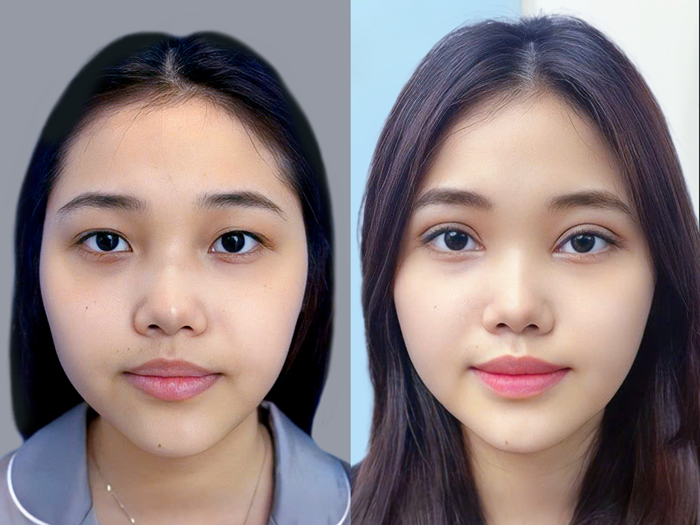
Kangnam patients may achieve a clearer and more balanced eyelid crease following appropriate treatment.
However, double-eyelid suture surgery cannot permanently correct every case of:
Patients should seek medical assessment if they experience:
Sudden visual changes or severe eye pain require urgent medical attention.
Double-eyelid suture surgery commonly lasts approximately three to five years, although some results may remain visible for longer.
Longevity depends on the patient’s anatomy, fixation technique, suture material, natural ageing, and postoperative habits.
Patients with thin eyelid skin and little excess fat are generally better candidates for suture-only treatment. Those with thick skin, significant fat, loose skin, or ptosis may require incisional surgery for a more stable result.
Appropriate care may protect the eyelids during recovery, but it cannot guarantee that the crease will never loosen. Patients should choose a qualified doctor, follow postoperative instructions, and seek assessment if the crease changes or discomfort develops.
Is Double-Eyelid Suture Surgery Painful?
When Can You Wear Makeup After Double-Eyelid Suture Surgery?