Date posted: 21-07-2026 | Last updated : 27-07-2026
Proper care after double-eyelid suture surgery is important for protecting the newly created crease and reducing the risk of unwanted complications. Makeup is one of the main concerns because eye products and makeup-removal techniques may irritate the healing eyelids.
So, how long should patients wait before wearing makeup again, and what precautions should they take?
Patients are generally advised to wait at least 10–14 days before applying eye makeup after double-eyelid suture surgery.
However, the exact timing depends on:
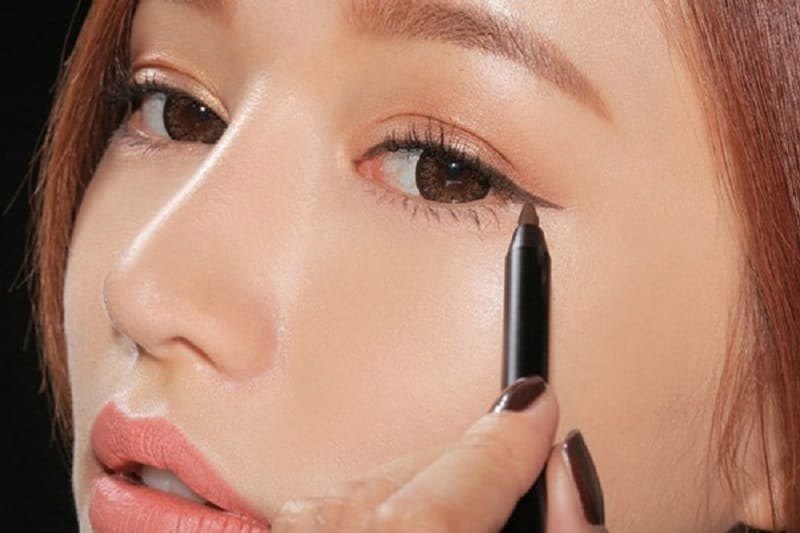
Patients should avoid wearing eye makeup too soon after double-eyelid suture surgery.
Applying makeup before the eyelids have healed may increase the risk of irritation, infection, swelling, or disruption of the newly created crease.
A general timeline may include the following stages.
Patients should avoid eye makeup completely during the first week.
At this stage, the eyelids may still be:
Eyeshadow, eyeliner, mascara, false eyelashes, and cosmetic creams should not be applied to the treated area.
If the swelling has significantly decreased and the skin has healed without discharge, redness, or pain, patients may be able to begin wearing light makeup.
They should:
The surgeon should confirm that makeup is appropriate before it is resumed.
By this stage, the eyelid crease is generally more stable and the remaining swelling has usually resolved.
Patients can commonly return to their normal makeup routine, although they should still avoid forceful rubbing and excessive eyelid stretching.
The eyelid crease may begin looking natural much earlier than two to three months, but tissue settling can continue during this period.
Patients can review the general eyelid recovery timeline in How Long Does It Take for Eyelid Surgery to Look Natural?.
Wearing makeup too soon may irritate the healing eyelids and interfere with recovery.
Eye makeup products may contain:
When these products come into contact with healing skin or small puncture sites, they may contribute to:
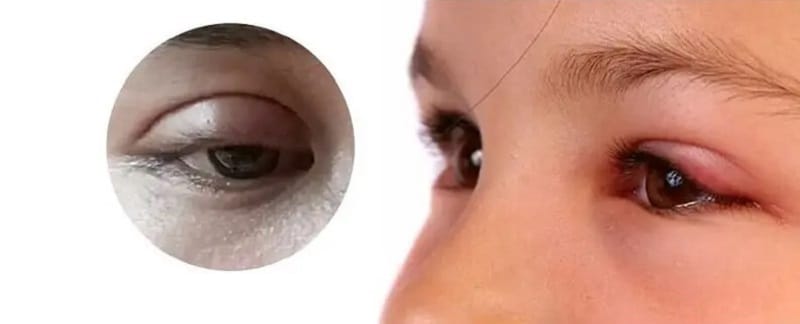
Applying makeup too early may irritate the eyelids and increase the risk of infection.
Old mascara, eyeliner, brushes, and cosmetic sponges may carry bacteria even when they appear clean.
Patients should consider replacing products that were used shortly before surgery, particularly mascara and liquid eyeliner.
Double-eyelid suture surgery uses fine sutures to connect selected eyelid tissues and create a crease.
Strong pulling, rubbing, or stretching during makeup application and removal may:
The risk is greater during the early healing period.
Heavy layers of makeup do not directly place significant physical weight on the eyelids, but applying and removing them may require repeated touching and rubbing.
Waterproof mascara, long-wear eyeliner, lash glue, and glitter products can be particularly difficult to remove gently.
Patients should only consider wearing makeup again when the eyelids appear to have healed appropriately.
Signs may include:
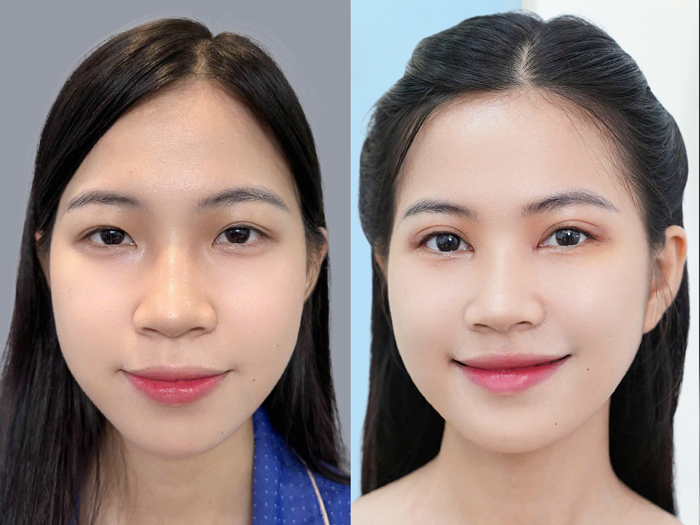
Makeup may be resumed once the eyelids have healed and the crease has begun to stabilise.
The absence of scabs alone does not confirm that the eyelids are ready for makeup.
Patients should still obtain approval from the treating doctor, especially if they have:
Patients should delay makeup and contact the medical team if they notice:
Once makeup has been approved, patients should apply and remove it carefully.
Begin with a simple and natural makeup style.
Patients may initially avoid:
Products should not be applied directly over areas that remain tender or irritated.
Select products designed for sensitive eyes or skin.
Prefer:
The term “hypoallergenic” does not guarantee that an allergic reaction cannot occur.
Patients should stop using any product that causes burning, itching, swelling, or redness.
Do not pull the eyelid taut or press firmly on the new crease.
When blending products:
The ring finger may provide lighter pressure, but clean brushes or applicators may be more hygienic when used correctly.
Use a gentle eye-makeup remover that does not require strong rubbing.
A suitable method may include:
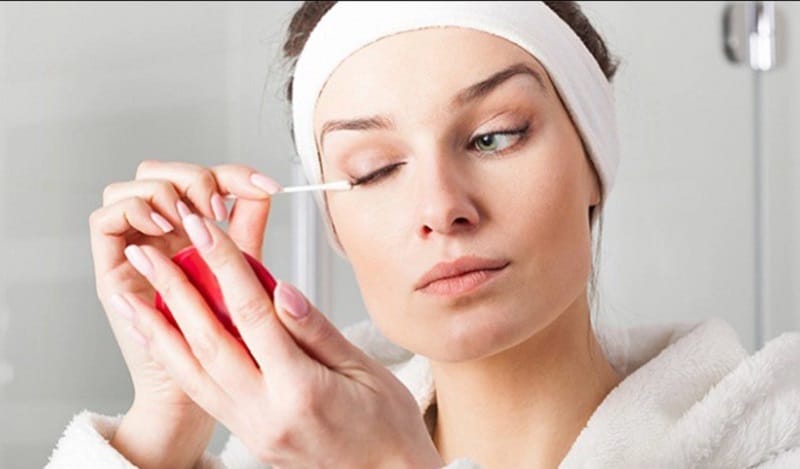
The eyelids should be cleaned gently after makeup removal.
Oil-based or water-based removers may both be suitable depending on the patient’s skin and the products used. The main consideration is whether the makeup can be removed without irritation or force.
Patients should avoid:
Brushes and applicators should be:
Do not share mascara, eyeliner, brushes, or false eyelashes.
False eyelashes and lash extensions should be delayed until the eyelids have healed and the surgeon confirms that adhesive use is safe.
Glue and removal solutions may cause:
The treating doctor is best placed to assess whether the eyelids are ready for makeup.
Patients should not rely only on a fixed number of days because recovery differs between individuals.
Detailed postoperative guidance is available in How to Clean Your Eyes After Eyelid Surgery.
Kangnam provides double-eyelid procedures using techniques designed to create a defined crease while limiting surgical incisions.
Depending on the patient’s anatomy and goals, the doctor may recommend:
Modern suture techniques may result in less swelling and a shorter recovery than incisional surgery for suitable patients.
However, no method can guarantee:
Patients should follow the specific care plan provided by the doctor rather than assuming that a newer technique automatically allows earlier makeup use.
Patients should generally wait at least 10–14 days before wearing eye makeup after double-eyelid suture surgery.
Makeup should only be resumed when the eyelid skin has healed, swelling and tenderness have decreased, and the treating doctor confirms that it is safe.
When restarting makeup, patients should use clean, gentle products, apply light pressure, avoid waterproof formulas and false eyelashes, and remove products without rubbing.
Those who recover slowly or develop persistent redness, pain, discharge, or swelling should delay makeup and seek medical assessment.
How Long Does It Take for Eyelid Surgery to Heal?