Date posted: 21-07-2026 | Last updated : 27-07-2026
Swelling after eyelid surgery is a normal part of the healing process and usually decreases gradually over several days.
Understanding how long swelling may last and following appropriate postoperative care can help reduce discomfort, protect the incision, and support a more natural-looking result.
Swelling after eyelid surgery commonly lasts approximately five to seven days before gradually improving.
By the second week, the eyelids often appear more stable and natural, although mild swelling, tightness, or asymmetry may still remain.
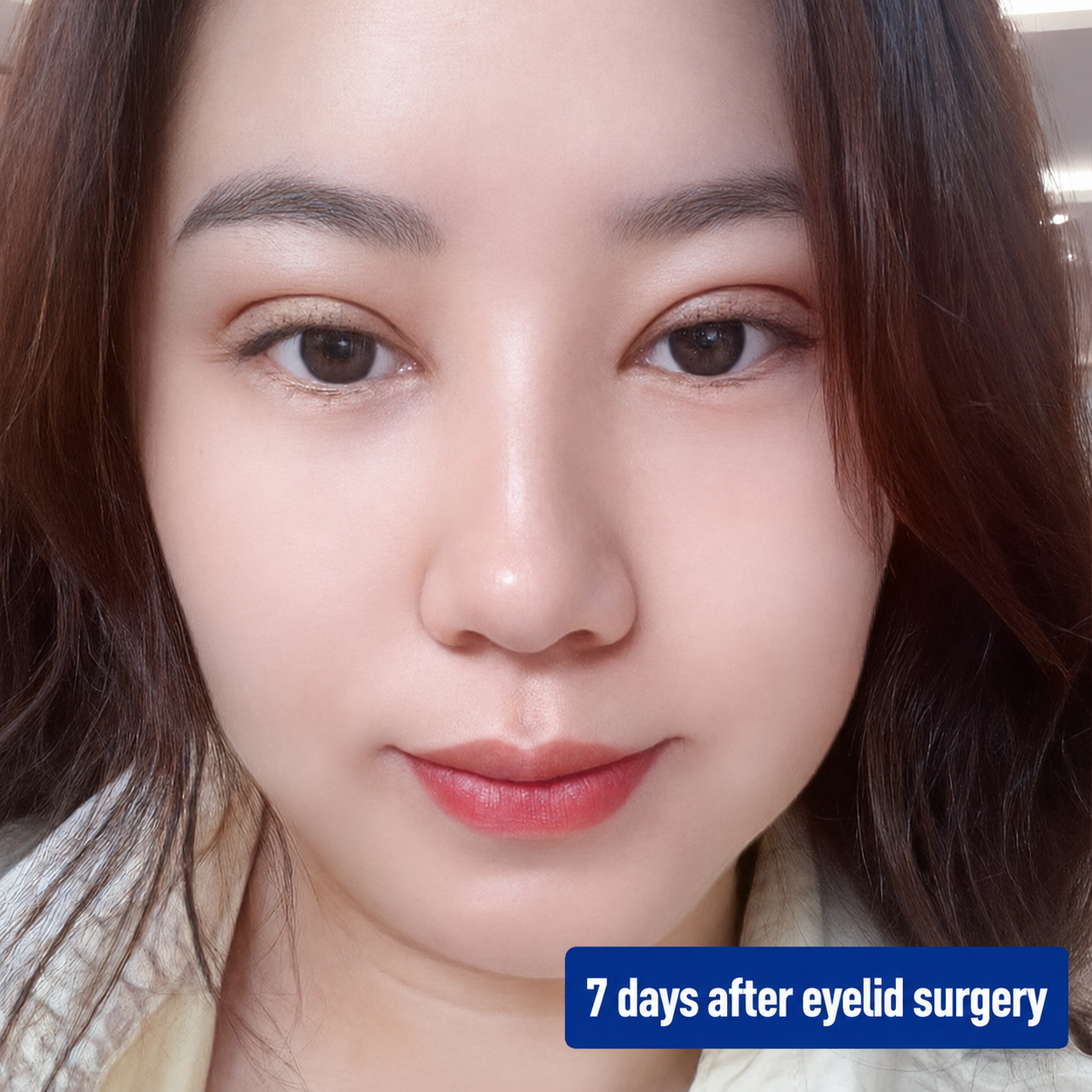
Eyelid swelling generally decreases gradually during the first week after surgery.
The exact recovery time depends on:
The eyelids should not be considered fully healed after only one or two weeks. The crease and scar may continue to soften and settle over several weeks or months.
Patients can review the broader healing timeline in How Long Does It Take for Eyelid Surgery to Look Natural?.
Swelling and bruising generally change through several stages.
This is commonly the most uncomfortable stage because the body is responding to surgical tissue injury.
Patients may notice:
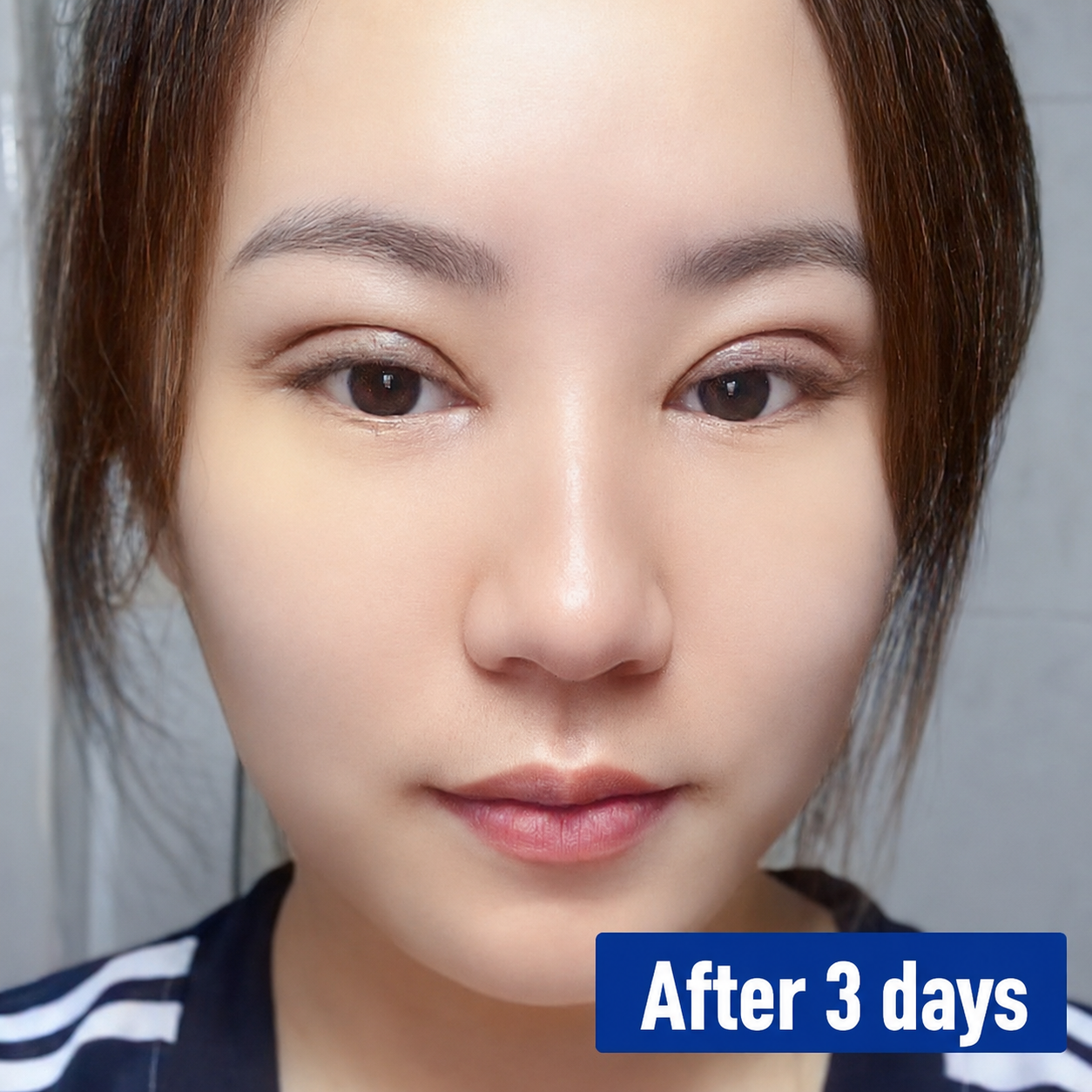
Swelling is commonly most noticeable during the first several days after eyelid surgery.
A cold compress may be recommended during the first 24–48 hours to help control swelling and bruising.
The cold pack should:
Patients should not apply ice directly to the skin because this may cause cold injury.
During this period:
Some doctors may recommend a warm compress after the first few days to support comfort and circulation.
However, patients should not automatically switch to warm compresses without medical approval. Heat applied too early may increase swelling or bleeding.
When approved, a warm compress should be comfortably warm rather than hot and should not place pressure on the eyelids.
By the second week:
Sutures are commonly removed after approximately five to seven days, although the timing depends on the surgical technique and wound condition.
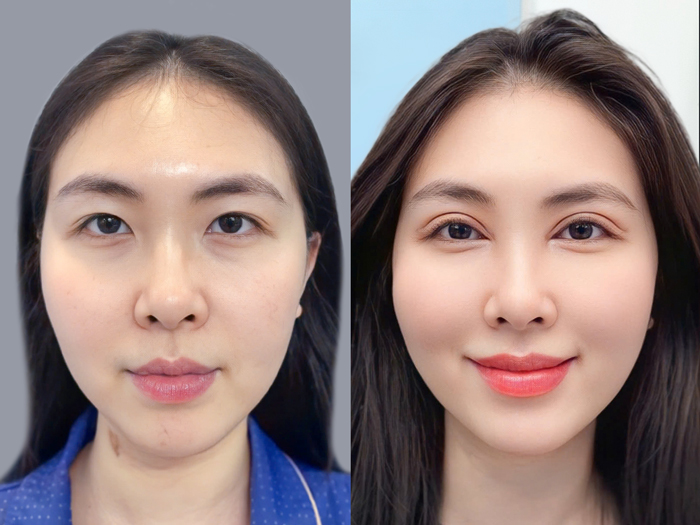
The eyelids may appear more balanced as swelling decreases and the incision heals.
Patients should continue to:
Patients can support recovery through cold compresses, appropriate wound care, balanced nutrition, rest, and avoidance of activities that increase pressure or irritation around the eyes.
Cold compresses may help reduce swelling and bruising during the first one to three days.
A suitable method includes:
The exact frequency should follow the surgeon’s instructions.
Continuous icing for long periods is not recommended because it may damage the skin or reduce circulation excessively.
Fresh turmeric should not be applied to a new eyelid incision.
Although curcumin has been studied for anti-inflammatory effects, applying raw turmeric directly to a surgical wound may introduce:
Patients should use only prescribed ointments or scar products after the surgeon confirms that the incision has healed sufficiently.
Wash your hands thoroughly before touching the eye area.
When instructed by the surgeon, use sterile gauze or a clean cotton swab moistened with sterile saline to gently clean dried blood or discharge.
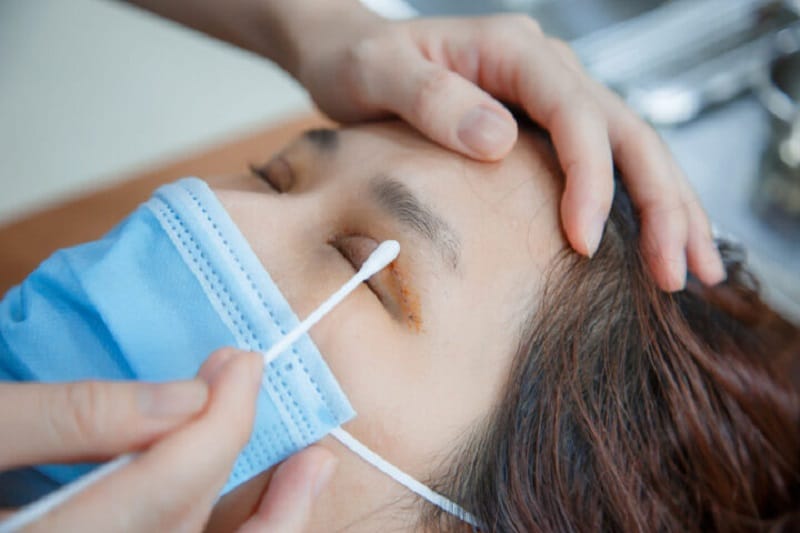
Sterile saline may be used to clean the eyelid incision when recommended by the surgeon.
Avoid:
More detailed instructions are available in How to Clean Your Eyes After Eyelid Surgery.
Patients should consume a balanced diet containing:
There is insufficient evidence that foods such as beef, eggs, chicken, seafood, or water spinach routinely cause raised scars or inflammation in every patient.
These foods do not need to be avoided unless:
Patients may benefit from limiting:
When outdoors, patients may wear clean sunglasses to help protect the eyes from:
Sunglasses should not press against the incision.
Sun protection is particularly important after the wound has closed because ultraviolet exposure may darken the healing scar.
Phone, computer, and television screens do not directly damage the eyelid incision.
However, prolonged screen use may cause:
Patients should take regular breaks, use prescribed lubricating drops when advised, and avoid staying awake late using electronic devices.
Complete avoidance of screens or reading for an entire week is not necessary for every patient unless the surgeon specifically recommends it.
Strenuous exercise may increase blood pressure and swelling during the early recovery period.
Patients should temporarily avoid:
Gentle walking is commonly encouraged when approved because it supports circulation and reduces prolonged inactivity.
Patients should not apply makeup directly over an open or irritated incision.
Eye makeup may introduce bacteria and require rubbing during removal.
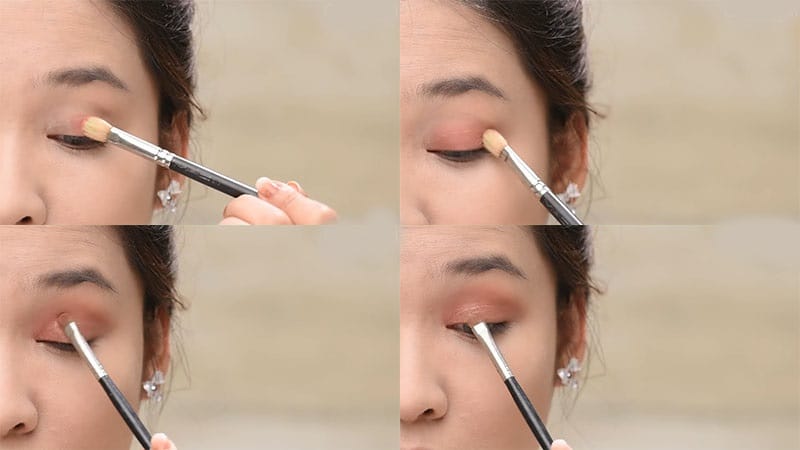
Eye makeup should be avoided until the incision has healed adequately.
Patients should wait until the surgeon confirms that it is safe to resume:
Clean or replace old eye makeup products and applicators before using them again.
Normal swelling should gradually improve rather than become more severe.
Patients should contact the medical team promptly if they experience:
Sudden visual changes or rapidly increasing pressure around the eye require emergency medical assessment.
Swelling after eyelid surgery commonly peaks during the first two to three days and gradually improves over approximately five to seven days.
Most patients look more natural by the second week, although complete healing and settling take longer.
Cold compresses, gentle incision cleaning, adequate rest, balanced nutrition, and avoidance of strenuous activity may support recovery.
Patients should not apply fresh turmeric, unprescribed medication, or strong antiseptics to the incision. The surgeon’s individual instructions should always take priority over general online advice.
How Long Does It Take for Eyelid Surgery to Look Natural?