Date posted: 21-07-2026 | Last updated : 25-07-2026
Abdominal liposuction with buttock fat transfer removes excess fat from the abdomen and reuses selected fat cells to enhance the buttocks, creating a fuller and more balanced body contour.
Although the procedure may provide noticeable aesthetic improvement, many patients remain concerned about whether abdominal liposuction with buttock fat transfer is safe and how potential risks can be reduced.
Abdominal liposuction with buttock fat transfer may be performed safely when it is carried out at a licensed medical facility by a properly trained plastic surgeon using an appropriate surgical technique and medical monitoring.
However, it is a major cosmetic procedure and cannot be considered risk-free.
Possible complications include:
Fat embolism is one of the most serious risks associated with buttock fat transfer. It can occur when injected fat enters a blood vessel and travels to the lungs or other organs.
The safety of the procedure depends heavily on:
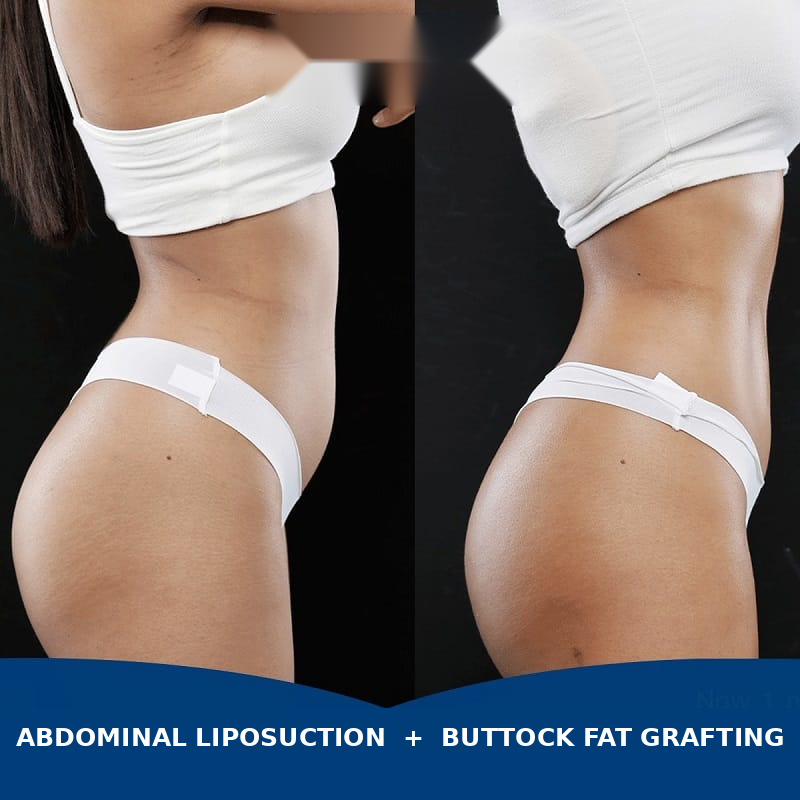
Abdominal liposuction with buttock fat transfer may improve body proportions when performed using an appropriate medical technique.
Patients considering abdominal fat removal can learn more in Abdominal Liposuction in Vietnam.
This combined procedure may reduce abdominal fat while adding volume to the buttocks using the patient’s own tissue.
The transferred material comes from the patient’s body, which reduces the risk of an allergic reaction to the fat itself.
However, using autologous fat does not eliminate the risk of:
It is therefore inaccurate to state that the procedure completely eliminates rejection, anaphylaxis, or all reactions associated with treatment.
Modern liposuction and fat-transfer techniques generally use small access incisions.
This may result in:
However, the procedure remains invasive and may still cause pain, bruising, swelling, and scarring.
Fat that survives after transfer becomes integrated with the surrounding tissue and may create a soft, natural-feeling result.
The final shape depends on:
Not all transferred fat survives. Some of it is gradually absorbed by the body during the first several months.
The procedure may improve two areas during one operation:
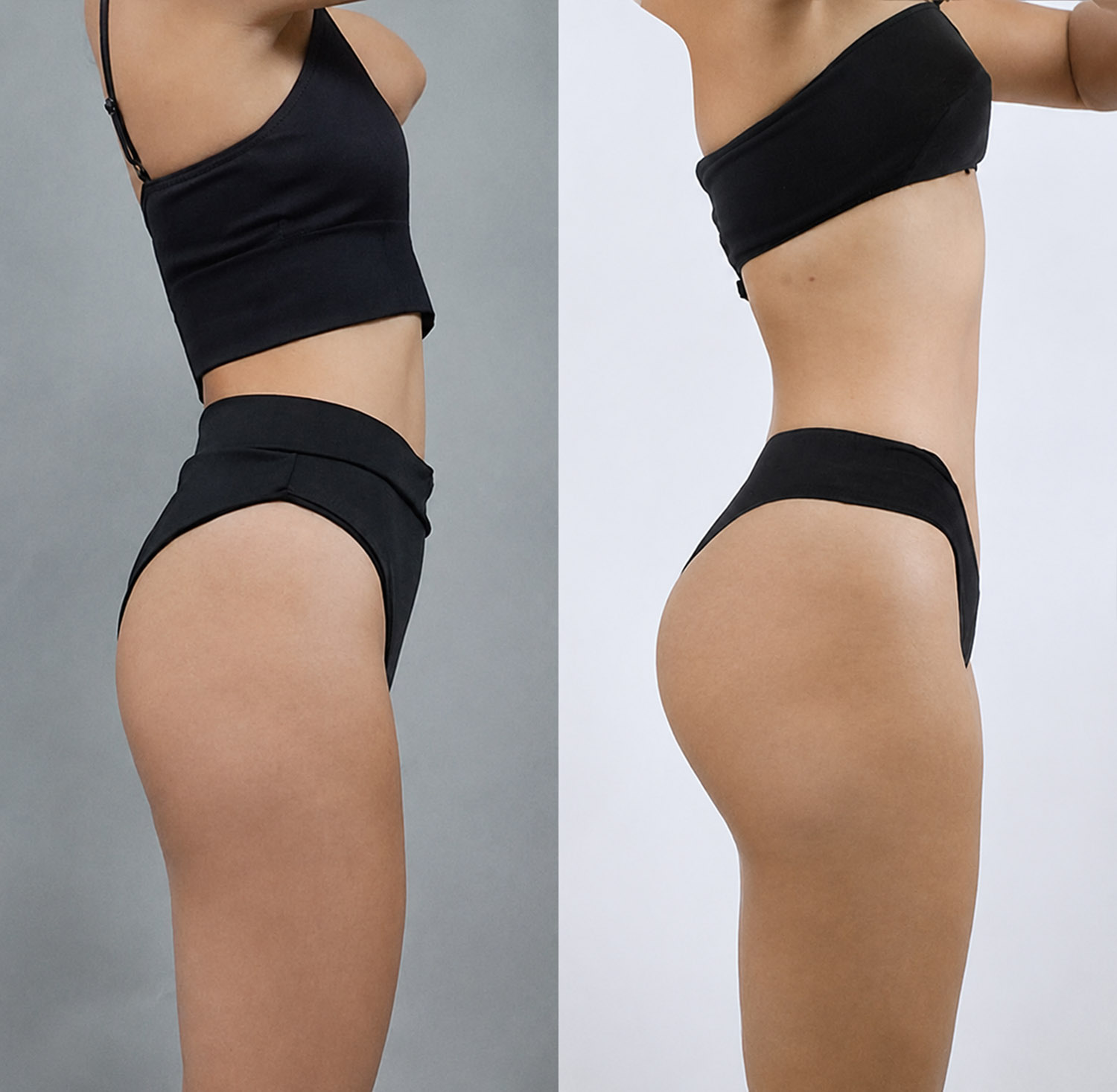
Using abdominal fat for buttock enhancement may create a slimmer waist and fuller lower-body contour.
The surgeon should avoid excessive fat removal or overfilling because both can produce an unnatural or unsafe result.
Patients interested in broader body contouring may review Kangnam’s Lipo 360 Technology.
When the procedure is performed incorrectly, serious complications may occur.
Infection may develop when:
Signs may include:
Fat embolism is a potentially fatal complication.
The risk increases when fat is injected too deeply, particularly into or beneath the buttock muscles, where large blood vessels are located.
Symptoms may include:
These symptoms require emergency medical care.
Safe practice requires the surgeon to maintain control of the cannula tip and place fat only within the permitted tissue layer according to current surgical standards.
Fat necrosis occurs when transferred fat does not receive an adequate blood supply.
It may lead to:
Transferring excessive fat into one area may increase this risk.
Uneven fat removal or injection may cause:
Some asymmetry may also result from differences in fat survival during healing.
Temporary numbness, tingling, or reduced sensation may occur in the abdomen or buttocks.
Most cases improve gradually, but nerve irritation or injury can occasionally cause longer-lasting symptoms.
Swelling, bruising, tightness, and tenderness are expected during early recovery.
They commonly improve over several weeks, although residual swelling may take months to resolve fully.
Patients should contact the medical team if swelling becomes sudden, severe, one-sided, or associated with breathing difficulty.
Several factors influence the safety of abdominal liposuction with buttock fat transfer.
The procedure should be performed in a licensed hospital or surgical facility with:
No facility can guarantee zero infection or zero complications, but appropriate medical standards help reduce preventable risks.
International patients may review Top Liposuction Facilities in Vietnam when comparing providers.
Autologous fat is biologically compatible with the patient’s body, but safety depends primarily on how the fat is harvested, processed, and injected.
The surgeon should:
Fat transfer is not automatically less invasive or safer than implants in every case. Each method has different risks and must be selected according to the patient’s anatomy and medical condition.
Patients should undergo a complete preoperative assessment.
Conditions that may increase surgical risk include:
Having a chronic condition does not always mean surgery is impossible, but the condition must be medically assessed and appropriately controlled.
Following aftercare instructions is essential for wound healing and fat survival.
Patients may be advised to:
A compression garment should support the abdomen and waist without placing inappropriate pressure on the buttocks.
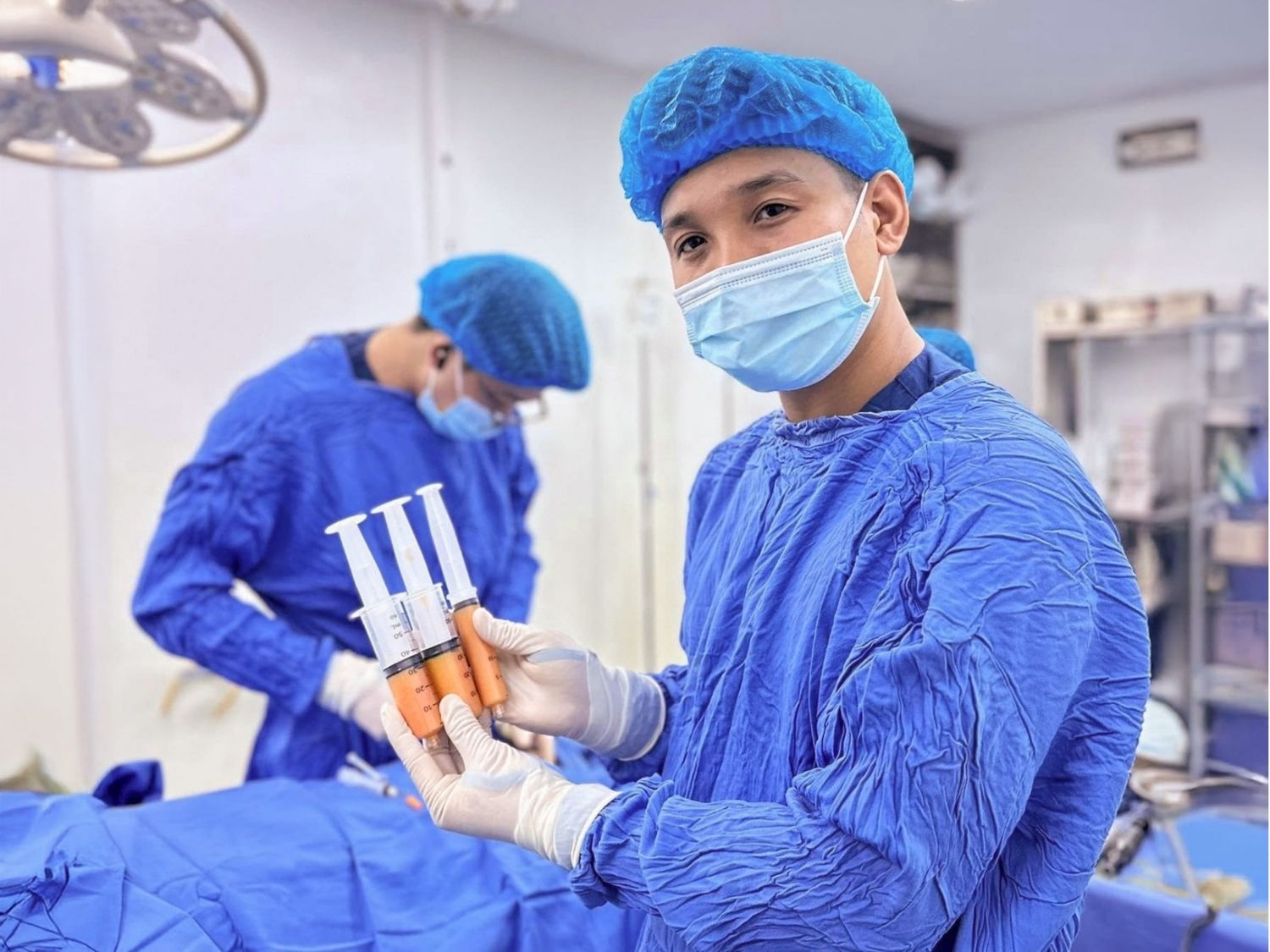
Choosing a licensed hospital and following postoperative instructions can reduce avoidable risks.
Kangnam Aesthetic Hospital applies Vaser-assisted fat removal and Bio Fat processing to selected abdominal liposuction and buttock fat-transfer procedures.
Vaser technology uses ultrasound energy to loosen fat before removal. The harvested fat may then be processed so that suitable fat cells can be selected for transfer.
The aim is to:
However, claims that the procedure causes no tissue damage, no scars, no complications, or immediate recovery cannot be guaranteed.
Even when modern technology is used, patients may still experience:
Patients should ask the hospital to explain:
Overseas Vietnamese patients should remain in Vietnam long enough for early postoperative assessment and should not take a long-distance flight until the surgeon confirms that travel is appropriate.
Abdominal liposuction with buttock fat transfer may improve both the waist and buttock contour during one operation. The use of the patient’s own fat may create a natural-looking result, but the procedure is not free from risk.
The most serious potential complication is fat embolism. Safety therefore depends on correct patient selection, a licensed surgical facility, an experienced plastic surgeon, a safe injection technique, and careful postoperative monitoring.
Patients should avoid choosing a provider based only on cost, advertising claims, or dramatic before-and-after images.
Abdominal Liposuction in Vietnam for International Patients
What Is Liposuction? Procedure, Cost, and Safety Considerations