Why You Can’t Drink Alcohol After Breast Augmentation

Date posted: 22-07-2026 | Last updated : 28-07-2026

Many people wonder why they should not drink beer after breast augmentation. In fact, beer and other alcoholic beverages can affect the recovery process, delay wound healing, and increase the risk of postoperative swelling and pain.

1. Why Should You Not Drink Beer After Breast Augmentation?

You should not drink beer after breast augmentation because the alcohol in beer thins the blood, interferes with the natural blood-clotting process, and causes the surgical incision to heal more slowly. At the same time, beer reduces the body’s ability to regenerate cells and produce collagen, causing the skin and breast tissue to recover more slowly. Drinking beer too soon may cause swelling and bleeding, increase the risk of infection, or result in unsightly scarring, directly affecting the postoperative aesthetic result.
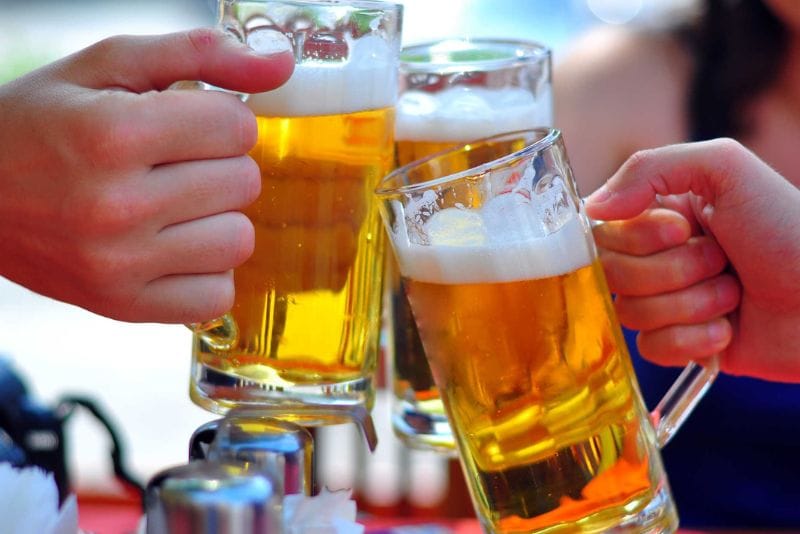
Beer should be avoided after breast augmentation because it may delay wound healing.

Beer should be avoided after breast augmentation because it may delay wound healing.

2. Consequences of Drinking Beer After Breast Augmentation

Drinking beer immediately after breast augmentation may delay recovery, increase the risk of infection, cause bleeding and bruising around the incision, interact with pain medication, and lead to dehydration.
  • Delayed recovery: Drinking beer after surgery may reduce the body’s ability to regenerate skin cells and produce collagen, causing the incision to heal more slowly, weakening the skin tissue, and increasing the risk of unsightly scarring.
  • Increased risk of infection: Beer weakens the immune system, making it more difficult for the body to fight invading bacteria and increasing the risk of infection or inflammation around the incision.
  • Bleeding and bruising: The alcohol in beer has a blood-thinning effect, making the wound more likely to bleed and causing swelling or bruising to persist longer, thereby delaying recovery.
  • Interaction with pain medication: Drinking beer while taking medication may cause side effects such as dizziness and nausea or reduce the effectiveness of pain relievers and antibiotics.
  • Dehydration: Alcohol causes dehydration and reduces skin elasticity, slowing tissue regeneration and delaying the stabilization of the breast shape.
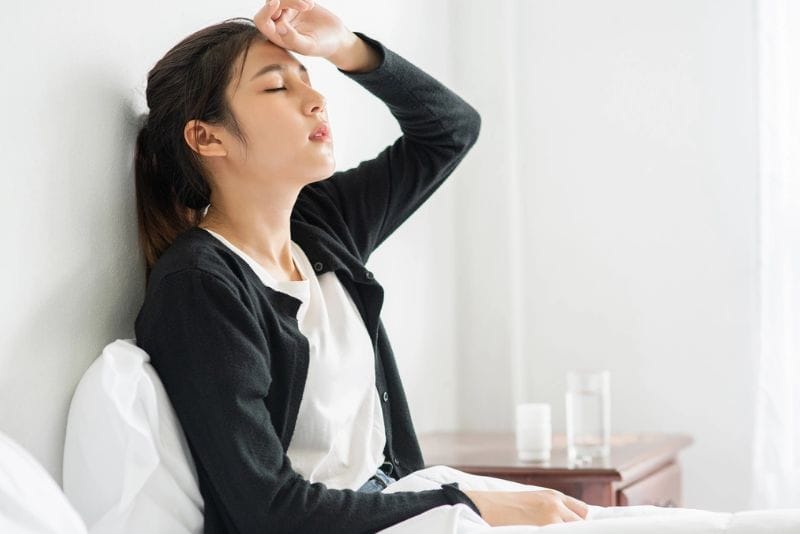
The body may become dehydrated due to the use of stimulants after breast augmentation.

The body may become dehydrated due to the use of stimulants after breast augmentation.

3. How Long After Breast Augmentation Can You Drink Beer?

Beer and other alcoholic beverages should be avoided for at least 3–4 weeks after breast augmentation to allow the body to recover completely. During this period, the incision is still undergoing tissue regeneration and scar healing. Drinking beer too soon may thin the blood, cause bleeding and swelling, and increase the risk of infection.

Alcohol can be processed more safely once the wound has dried, the breast tissue has stabilized, and the patient is no longer taking pain medication or antibiotics. However, even after this period, alcohol consumption should remain limited to help maintain the breast shape and overall health.
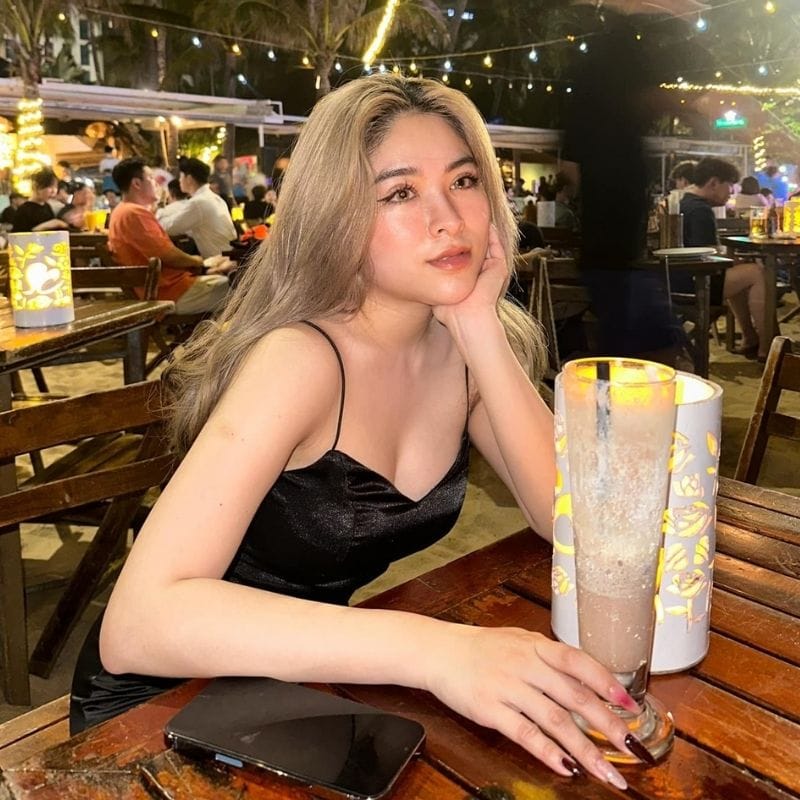
Beer may be consumed once the breasts have stabilized and the required restriction period has ended.

Beer may be consumed once the breasts have stabilized and the required restriction period has ended.

4. Other Beverages to Avoid After Breast Augmentation

After breast augmentation, in addition to beer and other alcoholic beverages, several other drinks may affect wound healing, cause unsightly scarring, or prolong swelling, including coffee, energy drinks, carbonated soft drinks, tea, milk, and bottled fruit juices.

  • Coffee and energy drinks: These beverages contain caffeine, which may increase the heart rate, cause dehydration, and interfere with sleep, resulting in slower tissue healing. Caffeine may also reduce the absorption of iron and calcium, making the body feel more fatigued.
  • Carbonated soft drinks: The high sugar and carbon dioxide content in soft drinks may cause bloating and indigestion while interfering with the absorption of nutrients required for skin-cell regeneration.
  • Strong tea: The tannins in strong tea may reduce protein absorption. Protein is an important component in tissue and collagen regeneration around the incision.
  • Fresh milk and dairy products: Some patients with sensitive constitutions may experience bloating or increased discharge around the incision if they consume milk too soon. These products should be reintroduced after approximately 7–10 days, once the body has become more stable.
  • Bottled fruit juices: Their high sugar content may increase inflammatory responses, causing the wound to become red and swollen, heal more slowly, and develop scars more easily.

At Kangnam Aesthetic Hospital, overseas Vietnamese patients receive direct nutritional and postoperative care advice from body-contouring specialists, helping the body recover quickly and the breasts become naturally soft. The 24/7 online support system and comprehensive postoperative care services ensure that patients are closely monitored until they have fully stabilized, even when they live far away.

Why No Alcohol After Breast Augmentation?

Breast Augmentation Aftercare

Breast Augmentation Complications

Messenger